

Few things in modern healthcare are as stressful as opening an unexpected, highly complex medical bill. For years, patients have struggled to decipher cryptic medical codes, inflated service fees, and confusing insurance explanations. However, the introduction of medical billing transparency reports has fundamentally shifted how everyday consumers can access, evaluate, and understand the true cost of their care before ever stepping foot in a clinic.
Understanding these financial disclosure documents empowers you to look past arbitrary sticker prices and compare actual costs across different facilities. Whether you are preparing for a routine procedure or engaging in medical insurance claim optimization advice, knowing how to interpret these federal compliance reports is essential. In the following sections, you will learn how to decode billing codes, navigate federal price-disclosure mandates, and leverage these transparency tools to protect your financial well-being.
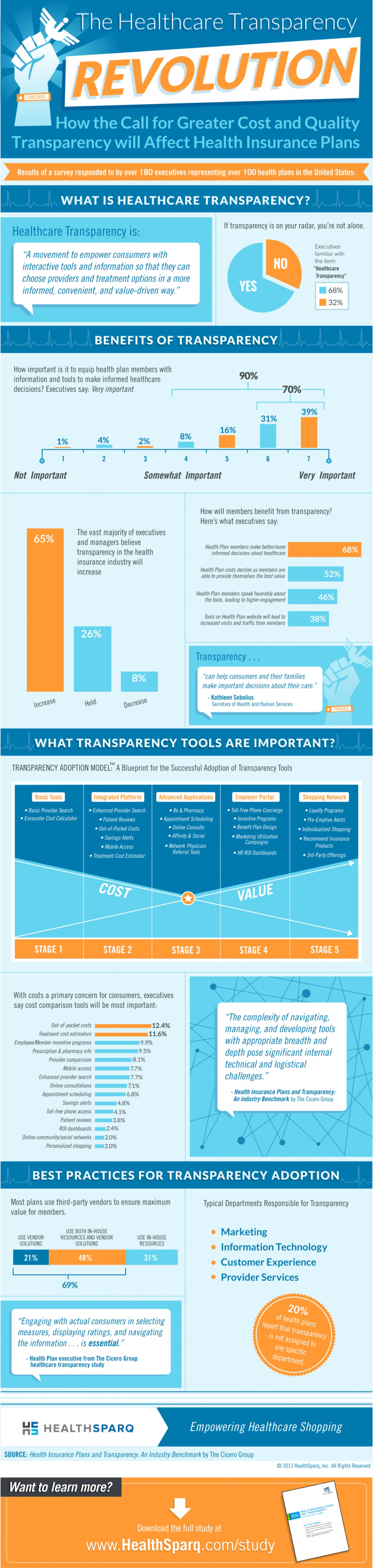
Navigating Medical Billing Transparency Reports and Federal Regulations
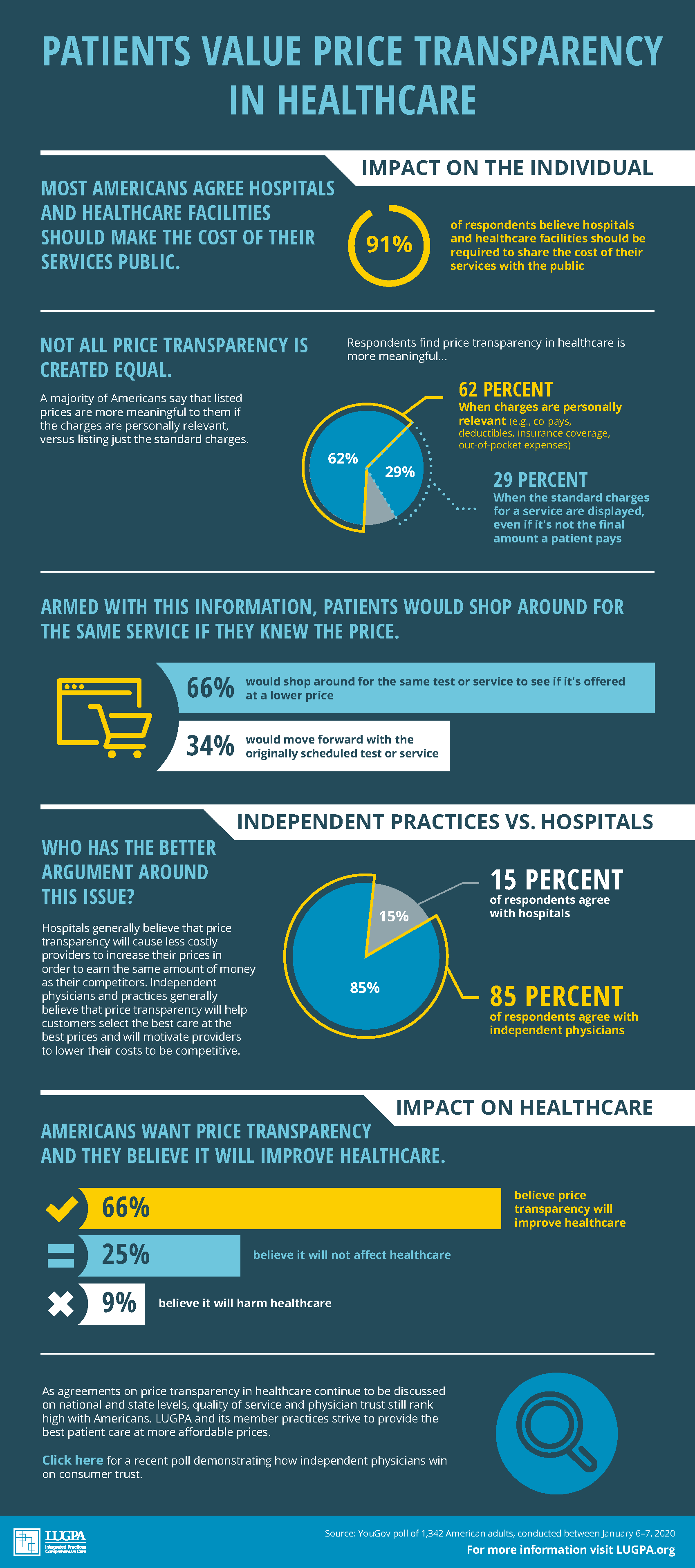
For decades, stepping into a medical facility meant walking into a financial fog where the final cost of care remained entirely hidden until weeks after treatment. Today, the landscape of **medical billing transparency reports** is transforming how everyday consumers approach healthcare. By shifting from opaque pricing models to structured, accessible disclosures, federal rules now empower individuals to take charge of their financial well-being before a procedure ever takes place.
The Evolution of Healthcare Price Disclosure
The journey toward an open financial marketplace in medicine has been long overdue. For generations, patients had little to no insight into why certain medical interventions carried exorbitant price tags, leading many to struggle with unexpected financial burdens.
Understanding the Role of the Centers for Medicare and Medicaid Services
The Centers for Medicare and Medicaid Services (CMS) serves as the driving force behind modern price revelation policies. By establishing strict federal guidelines, CMS requires hospitals and clinical networks to publish their standard charges online. This regulatory oversight ensures that healthcare institutions cannot hide behind complex accounting structures, fostering an environment where **healthcare facility transparency** becomes a standard business practice rather than an optional courtesy.
Federal Mandates for Machine-Readable Files and Consumer Tools
To make vast amounts of financial data usable, federal mandates require hospitals to provide two distinct types of pricing information. First, they must publish comprehensive machine-readable files containing gross charges, discounted cash prices, and specific insurer-negotiated rates. Second, institutions must offer consumer-friendly estimator tools that let patients look up out-of-pocket costs for common services, bridging the gap between raw data and practical patient utility.
Decoding the Components of a Medical Billing Transparency Report
Examining a medical billing transparency report can feel like learning a brand-new language. To make sense of these financial statements, patients must understand the underlying mechanics of medical pricing, coding, and institutional fees.
Differentiating Between Gross Charges and Negotiated Rates
Gross charges represent the hospital’s official, baseline sticker price for a service—an amount rarely paid in full by anyone. Conversely, negotiated rates are the discounted figures agreed upon between insurance companies and healthcare providers. Recognizing this massive delta helps individuals realize why uninsured individuals or those with high-deductible health plans must actively advocate for cash or adjusted rates.
Interpreting Procedure and Diagnostic Coding Systems
Medical bills rely heavily on standardized alphanumeric codes to describe diagnoses and treatments. Current Procedural Terminology (CPT) codes explain what procedures were performed, while International Classification of Diseases (ICD) codes clarify why the medical care was deemed necessary. Reviewing these codes allows patients to verify that the billed services match the actual care delivered during their visit.
Analyzing Facility Fees versus Professional Service Charges
A single medical encounter often generates separate charges that confuse many consumers. Professional service charges cover the time and expertise of the physician or specialist, while facility fees cover overhead costs such as room usage, specialized equipment, nursing staff, and general clinic operations. Understanding this distinction prevents unnecessary confusion when multiple line items appear for a single doctor’s appointment.
Essential Documentation for Patient Financial Clarity
Achieving true financial clarity requires keeping track of several key documents issued throughout the patient journey. Comparing these papers side-by-side acts as a reliable safeguard against administrative oversights.
The No Surprises Act and Good Faith Estimates
Passed to protect consumers from unexpected balance billing, the No Surprises Act requires providers to supply a Good Faith Estimate (GFE) of expected charges to uninsured or self-pay patients. This document outlines anticipated costs before scheduled treatments, giving individuals a firm financial baseline to reference if final charges deviate wildly.
Comparing Explanation of Benefits Documents against Actual Statements
Your insurance provider issues an Explanation of Benefits (EOB) detailing what portion of the medical bill they covered, what discounts were applied, and what remains your personal responsibility. Always cross-reference your EOB against the actual medical bill sent by the provider. If the numbers do not match up seamlessly, further investigation is required.
Identifying Discrepancies and Billing Errors
Administrative mistakes happen frequently in fast-paced medical environments. Vigilant patients who monitor their financial paperwork can quickly spot duplicate charges, services billed for the wrong date, or charges for procedures that never occurred. Catching these errors early makes medical insurance claim optimization advice much easier to apply, ensuring you never pay a penny more than your fair share.
2. Leveraging Transparency Tools to Advocate for Fair Healthcare Costs
Taking control of your medical expenses requires more than just reading your end-of-year medical billing transparency reports; it demands active participation before, during, and after care is delivered. By utilizing modern price disclosure tools and federal patient protections, you can significantly reduce your financial risk and ensure that your healthcare providers adhere to fair pricing standards.
2.1 Practical Strategies for Pre-Service Financial Planning
Advance financial planning is your strongest shield against surprise medical bills. Instead of waiting for invoices to arrive in the mail, proactive patients can leverage regulatory tools to map out expenses before undergoing any non-emergency procedure.
2.1.1 How to Request and Validate a Good Faith Estimate
Under federal rules, uninsured and self-pay patients have the legal right to receive a Good Faith Estimate detailing expected charges for scheduled medical items and services. When you schedule care at least three business days in advance, your provider must supply this document. To validate it, cross-reference the listed CPT codes and estimated fees against the clinic’s public pricing tool or broader healthcare facility transparency databases to ensure the figures align with standard market rates.
2.1.2 Assessing In-Network versus Out-of-Network Financial Implications
Network status dramatically influences your out-of-pocket exposure. Before committing to a specific facility or specialist, verify whether every provider involved in your care—including anesthesiologists, pathologists, and assistant surgeons—participates in your insurance network. Out-of-network providers can legally balance-bill you for the difference between their billed charges and what your insurance allows, bypassing standard deductibles and coinsurance caps.
2.1.3 Proactive Communication with Providers Regarding Cash Pricing
Many patients overlook the fact that cash prices can often be lower than negotiated insurance rates, especially for routine diagnostics or elective procedures. Call the billing office prior to your appointment to ask about prompt-pay discounts or bundled flat-rate pricing for cash-paying patients. Negotiating these terms upfront eliminates post-treatment sticker shock.
2.2 Auditing Bills and Resolving Disputes
Even with careful pre-service planning, errors frequently slip into final medical statements. Systematic oversight helps you catch discrepancies before they escalate into serious financial liabilities.
2.2.1 Step-by-Step Guide to Line-by-Line Medical Bill Auditing
Begin your audit by placing your itemized hospital bill side-by-side with your insurance Explanation of Benefits. Check every single charge against your personal calendar or discharge notes to confirm you actually received the medication, test, or consultation listed on the invoice.
2.2.2 Recognizing Red Flags Indicative of Upcoding or Duplicate Charges
Be on high alert for duplicate billing, where the same service appears twice on different dates, and upcoding, where a provider bills for a more complex or lengthy service than was actually performed. If a routine office visit is coded as an intensive emergency evaluation, request an immediate administrative correction.
2.2.3 Utilizing Federal Portals and State Insurance Commissioners for Grievances
When informal negotiations stall or a clinic billing dispute resolution breaks down, you have external options. You can file a complaint through the federal No Surprises Help Desk or escalate unresolved insurance denials to your state insurance commissioner to force a formal, independent review.
2.3 Managing Medical Debt and Financial Hardship
Unanticipated medical emergencies can strain even the most robust household budgets. Fortunately, structured pathways exist to manage unavoidable debt without sacrificing your long-term financial health.
2.3.1 Negotiating Payment Plans for Unexpected Expenses
Most healthcare providers prefer establishing a structured, interest-free monthly payment plan over sending an account to a collection agency. Contact the billing department as soon as you realize you cannot pay a lump sum and propose a realistic monthly budget that fits your financial capacity.
2.3.2 Applying for Hospital Charity Care and Financial Assistance Programs
Nonprofit hospitals are legally required to maintain financial assistance policies, often referred to as charity care, to help low- and moderate-income patients cover necessary medical expenses. Review the facility’s financial aid application, gather your recent tax returns or proof of income, and submit your request well before accounts reach third-party collectors.
2.3.3 Protecting Your Credit Score During Billing Disputations
Current credit reporting regulations protect consumers from immediate credit score damage due to unpaid medical debt. Medical bills under dispute cannot be reported to major credit bureaus until they have been past due for a specific grace period, and paid medical debts are entirely excluded from credit reports. Stay informed of these protections to safeguard your financial standing while resolving billing conflicts.
Navigating the complexities of modern healthcare finance can feel overwhelming, but understanding how to leverage medical billing transparency reports empowers you to take control of your financial well-being. By familiarizing yourself with federal regulations, decoding itemized statements, and mastering proactive strategies like clinic billing dispute resolution, you can protect your hard-earned savings from unexpected medical debt. True financial clarity requires diligence, from requesting good faith estimates before procedures to conducting line-by-line audits of your final statements.
Ultimately, a transparent healthcare marketplace relies on informed patients who hold providers and insurance companies accountable. When facilities prioritize healthcare facility transparency, it naturally fosters greater trust and improves overall patient satisfaction ratings across the board. Do not hesitate to advocate for yourself, utilize available federal and state dispute channels, and ask questions before signing financial agreements. Taking these proactive steps ensures that your focus remains where it belongs—on your health and recovery.