

Navigating the modern medical system often feels like trying to read a map written in a foreign language, especially when trying to understand healthcare facility transparency. For years, patients stepped into hospitals, clinics, and surgical centers with very little insight into what their care would actually cost or how the facility measured up against clinical standards. Fortunately, sweeping federal rules and a growing consumer demand for clarity are reshaping the landscape. Today, patients have unprecedented access to tools that shed light on pricing, clinical outcomes, and overall service standards before they ever walk through the doors.
Understanding these new disclosures empowers you to take control of your health journey, minimize unexpected financial burdens, and evaluate medical service quality with confidence. Whether you are managing a chronic condition, preparing for a scheduled procedure, or simply choosing a new provider, knowing how to interpret facility data is essential. In this guide, you will learn how to decode federal pricing rules, utilize digital cost-estimation tools, and advocate for your rights as a well-informed healthcare consumer.
1. Navigating Healthcare Facility Transparency and Federal Regulations
1.1 Understanding the Current Regulatory Landscape
1.1.1 The Hospital Price Transparency Final Rule explained
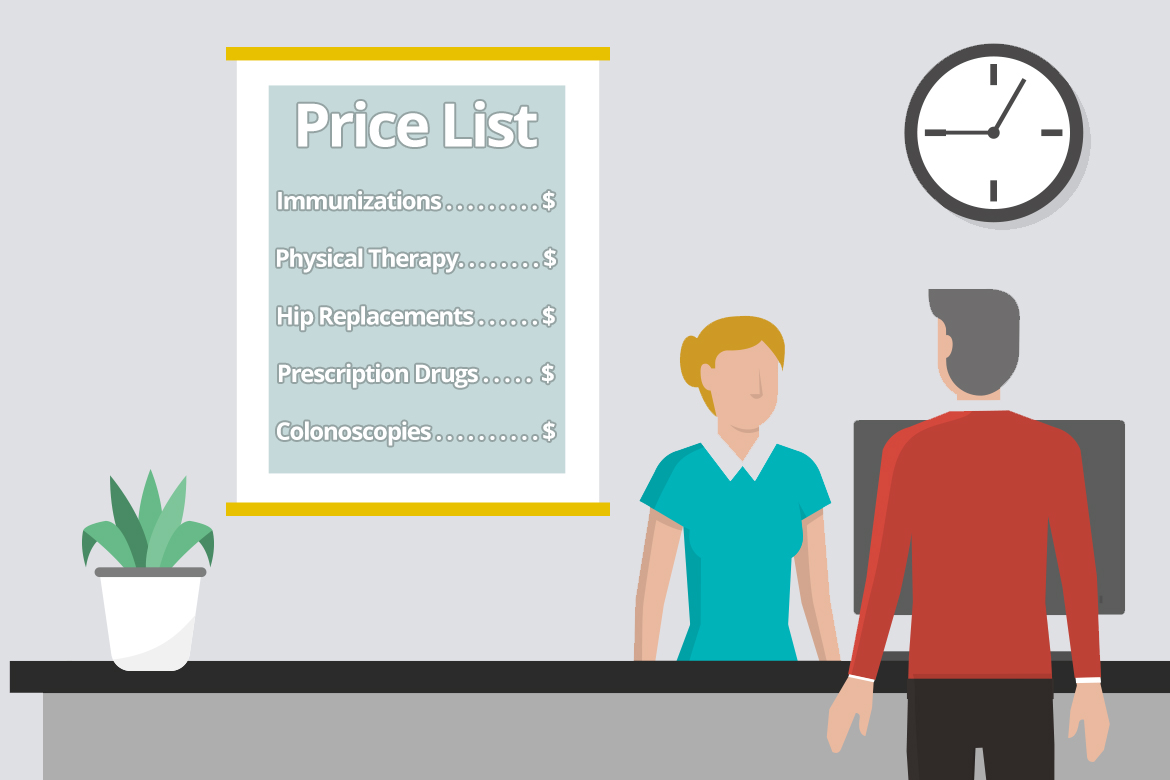
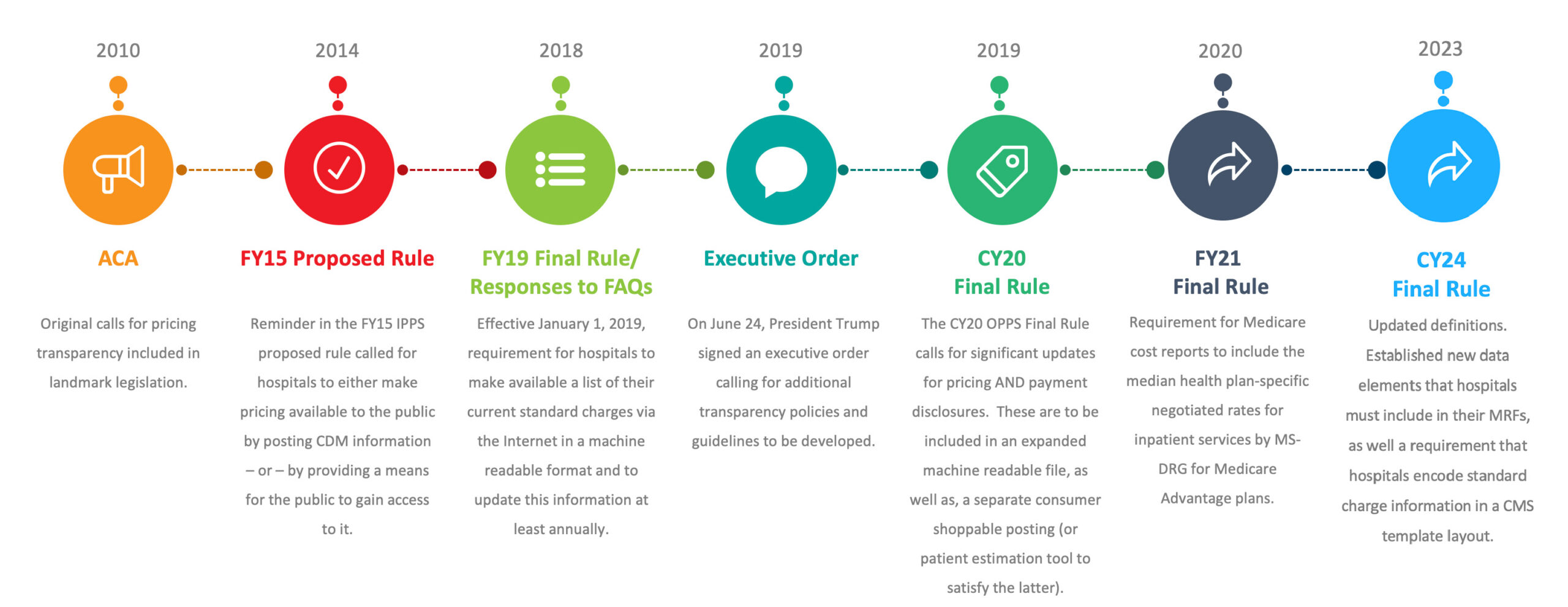
Navigating the complex world of medical costs became significantly more structured with the implementation of federal transparency measures. The Hospital Price Transparency Final Rule requires U.S. hospitals to publicly post standard charge information online. This legislation is designed to empower consumers to compare prices across different providers before receiving non-emergency care, fostering a more competitive marketplace.
1.1.2 Federal mandates versus state-level transparency initiatives
While federal rules establish a baseline for nationwide compliance, individual states often enforce stricter mandates or complementary disclosure programs. State-level initiatives frequently require ambulatory surgical centers and outpatient clinics to publish pricing alongside hospitals. Understanding how these layers intersect helps patients evaluate healthcare facility transparency effectively within their local healthcare ecosystem.
1.1.3 Defining the scope of mandatory public data disclosures
Mandatory disclosures encompass a wide array of service items, ranging from room and board fees to specialized surgical interventions. Facilities must publish data in user-friendly formats as well as raw digital files. This ensures that both everyday consumers and third-party software developers can analyze regional pricing patterns and hold institutions accountable.
1.2 Essential Price Data That Facilities Must Provide
1.2.1 Distinguishing between gross charges and negotiated payer rates
Comprehending facility pricing requires knowing the difference between standard line items. Gross charges represent the hospital’s official sticker price for a service before any discounts are applied. In contrast, negotiated payer rates reflect the specific discounted amounts that insurance companies have agreed to pay on behalf of their members.
1.2.2 Accessing discounted cash prices for self-pay patients
For individuals paying out-of-pocket without insurance coverage, facilities must clearly disclose discounted cash prices. These rates often bypass complex insurance processing fees and can offer a more predictable cost framework for routine screenings, laboratory work, and minor outpatient procedures.
1.2.3 Interpreting de-identified minimum and maximum charges
Published transparency reports must also display de-identified minimum and maximum charges negotiated with commercial insurance providers for specific services. Reviewing these figures reveals the wide variance in pricing across different health plans, underscoring the importance of verifying your specific plan’s coverage details.
1.3 Utilizing Digital Tools for Cost Estimation
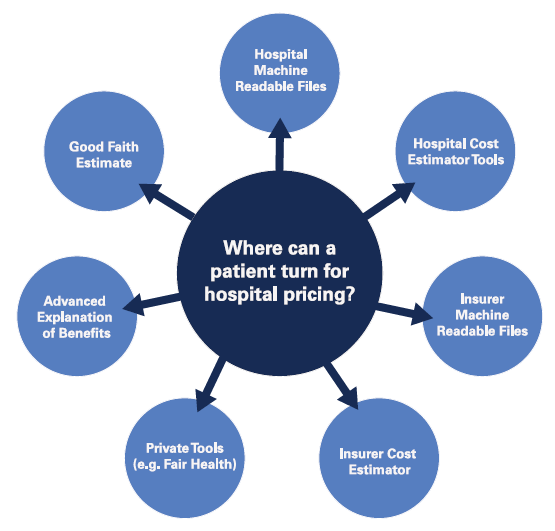
1.3.1 How to use hospital-specific online patient estimate tools
Most major medical centers now feature interactive consumer-friendly estimators on their websites. By entering your specific insurance policy information and the intended procedure code, you can generate a personalized out-of-pocket estimate that accounts for your current deductible and coinsurance status.
1.3.2 The role of machine-readable files and third-party healthcare search apps
Behind the consumer portals lie comprehensive machine-readable files designed for data aggregation. Independent developers use these expansive datasets to build third-party search applications, allowing users to compare medical service quality alongside upfront costs across multiple regional providers.
1.3.3 Navigating the Good Faith Estimate process for uninsured patients
Under federal consumer protection laws, uninsured or self-pay individuals have the right to receive a comprehensive Good Faith Estimate detailing expected charges prior to scheduled care. This document protects patients from surprise medical bills by establishing a clear financial baseline before treatment begins.
Strategies for Patient Advocacy and Overcoming Transparency Limitations
Even with federal mandates in place, figuring out the financial side of healthcare can feel like moving through a maze. Patient advocacy is no longer just about managing your conditions; it actively involves managing your medical expenses and knowing how to assert your right to clear, upfront pricing.
Practical Steps to Manage Medical Expenses
Taking control of your healthcare costs starts long before you receive a bill. When scheduling a procedure, knowing what questions to ask can save you hundreds or even thousands of dollars. Always ask your provider for the specific billing codes for your treatment, then take those codes to your insurance representative to verify your exact out-of-pocket responsibilities. Additionally, familiarize yourself with the protections offered by the No Surprises Act, which shields patients from unexpected out-of-network bills during emergencies or when treated by out-of-network providers at in-network facilities. If an unexpected bill does land in your mailbox, do not panic. You have the right to request an itemized statement, check for coding errors, and negotiate your medical debt directly with the facility’s financial assistance department.
Navigating Real-World Barriers to Transparency
Despite increased enforcement of federal rules, patients still run into roadblocks. One major hurdle is bundled pricing for complex procedures, where surgeon fees, facility charges, and anesthesiology services are lumped together, making it difficult to pinpoint individual costs. Furthermore, data inconsistencies and a lack of complete facility compliance mean that online price estimators are not always accurate or up to date. When evaluating your options, you must balance cost transparency with clinical performance, ensuring that lower prices do not come at the expense of verified medical service quality.
Making Informed Decisions for Future Care
Choosing where to receive care requires looking beyond a single facility’s marketing materials. You can compare local hospitals and clinics using publicly available quality metrics and state-specific all-payer claims databases, which offer a broader, more objective look at regional pricing and outcomes. Leveraging these transparency tools helps remove the guesswork from health management, drastically reducing financial anxiety and empowering you to make confident, well-informed choices for you and your family.
Navigating the modern medical landscape requires more than just finding a nearby clinic; it demands a clear understanding of healthcare facility transparency. By empowering yourself with knowledge about pricing regulations, digital cost estimation tools, and patient rights under the No Surprises Act, you can take control of your financial and clinical well-being. True transparency bridges the gap between cost and medical service quality, ensuring that financial anxiety never stands in the way of receiving necessary, high-standard care.
As hospitals and clinics continue to adapt to federal disclosure mandates, patients have unprecedented access to data that can guide their choices. Whether you are reviewing patient satisfaction ratings or preparing for an upcoming procedure using a good faith estimate, every step you take toward proactive advocacy makes a difference. To dive deeper into what these metrics mean for your wellness journey, explore our detailed guide on Healthcare Facility Transparency: A Patient’s Guide to Quality and make your next healthcare decision with total confidence.