
Evaluating medical service quality can often feel overwhelming for patients and healthcare administrators alike, especially when navigating complex clinical environments and diverse treatment options. In today’s healthcare landscape, measuring the standard of care requires looking far beyond basic facility cleanliness or brief wait times. True healthcare excellence encompasses a delicate balance between rigorous clinical outcomes, patient safety records, and interpersonal dynamics that build trust between providers and the people they treat.
Whether you are researching clinical service evaluation methods or trying to make informed decisions about your personal wellness journey, understanding how care is measured is essential. In this article, we will explore the foundational dimensions of modern healthcare evaluation, examine how quantitative metrics intersect with bedside manner, and highlight the practical tools you can use to assess medical providers with confidence.
1. Understanding and Defining Medical Service Quality in Modern Healthcare

Evaluating medical service quality requires looking beyond simple clinical outcomes to examine the entire spectrum of patient care. In today’s complex healthcare landscape, understanding what constitutes excellence helps patients and administrators alike make informed choices. By studying how health systems operate, we can better identify the core pillars that define superior medical delivery.
1.1 The Core Dimensions of Medical Service Quality
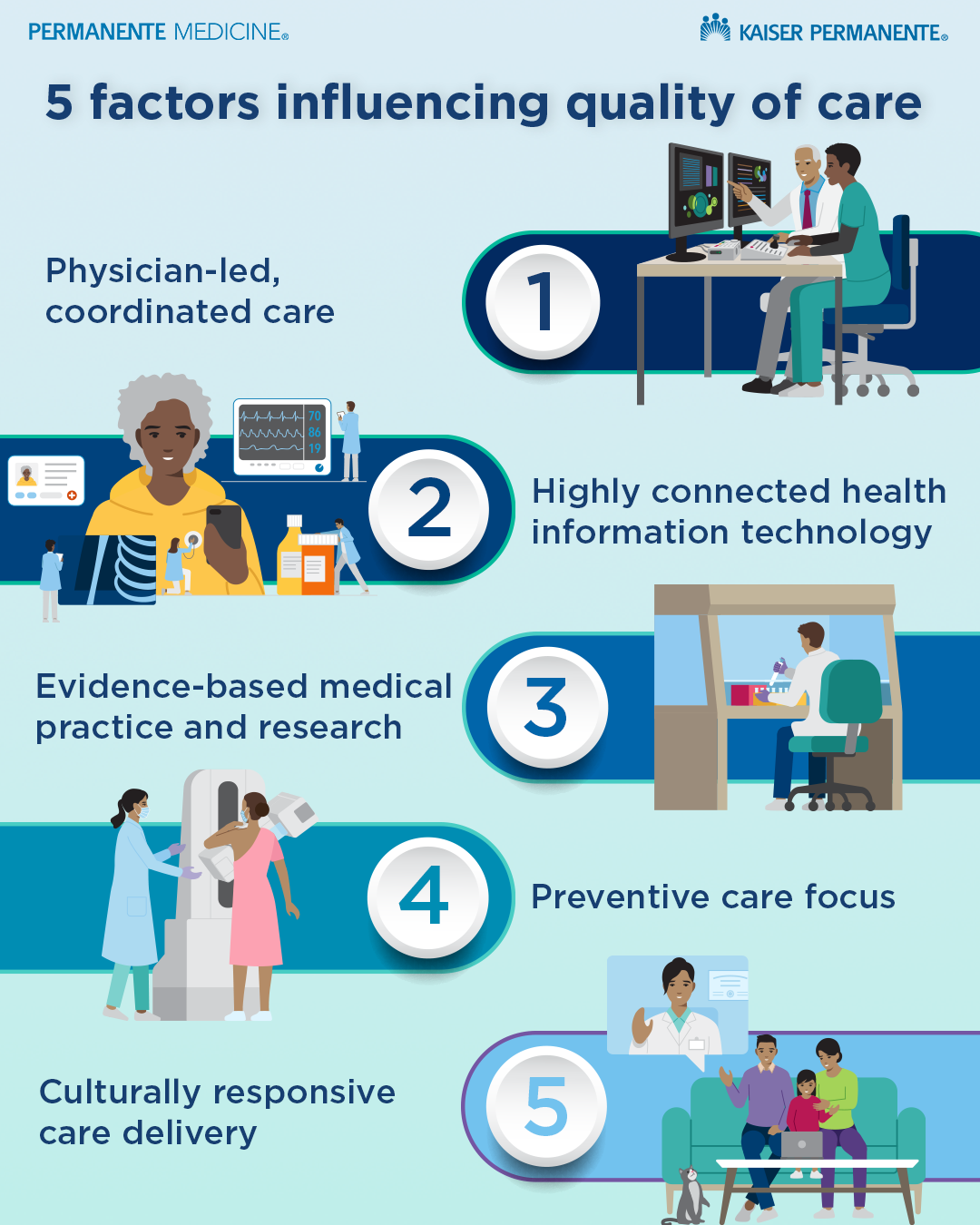
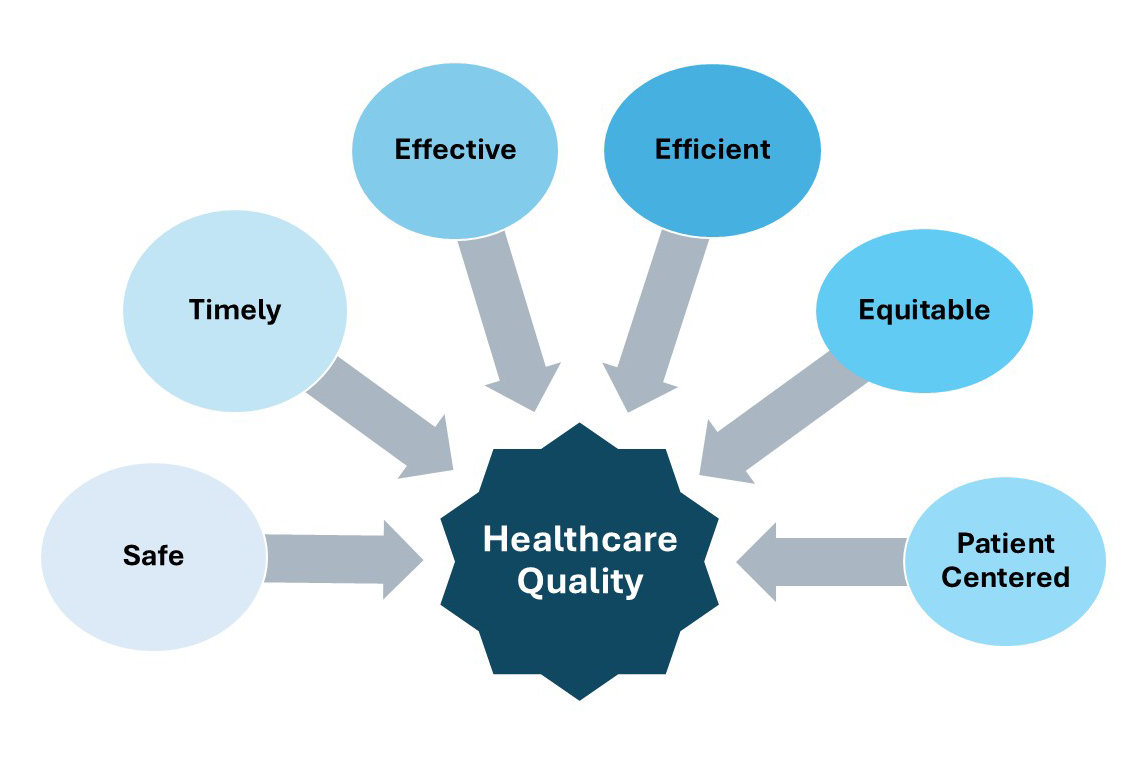
Medical service quality rests on several foundational pillars that ensure care is both safe and effective. To evaluate a facility thoroughly, one must look at how clinical standards and operational workflows intersect to serve the community.
1.1.1 Clinical Efficacy and Evidence-Based Practice Standards
At the heart of quality healthcare is clinical efficacy, which relies heavily on evidence-based practice standards. Providers must utilize treatments backed by rigorous scientific research rather than outdated habits. This ensures that every diagnosis and therapeutic intervention maximizes patient health while minimizing risks. For a deeper look at these benchmarks, you can explore medical excellence benchmarks to understand what top-tier facilities strive to achieve.
1.1.2 Patient-Centeredness and Equitable Access to Care
Quality care also demands a patient-centered approach that respects individual values, preferences, and needs. Equitable access ensures that all populations receive the same high standard of care regardless of socioeconomic background. When healthcare organizations prioritize inclusivity, they foster environments where patients feel heard and valued throughout their medical journey.
1.1.3 Timeliness and Operational Efficiency in Medical Delivery
Delays in diagnosis or treatment can severely compromise health outcomes. Timeliness and operational efficiency measure how smoothly a facility manages patient flow, wait times, and emergency responses. Efficient systems reduce unnecessary waiting, ensuring that urgent medical needs are met promptly and without administrative bottlenecks.
1.2 The Distinction Between Clinical Outcomes and Perceived Service Quality
A successful surgery or accurate diagnosis does not automatically mean a patient experienced high-quality service. There is a distinct difference between objective clinical results and subjective patient perceptions.
1.2.1 How Patients Perceive Compassion and Communication
While lab results and recovery metrics matter, human interaction shapes much of the patient experience. Exceptional medical service quality often hinges on empathetic listening, empathy, and clear explanations. When practitioners take the time to address emotional concerns, patients report feeling significantly more secure in their care.
1.2.2 The Intersection of Technical Competence and Interpersonal Satisfaction
The ideal healthcare experience occurs when top-tier technical competence meets stellar interpersonal communication. A brilliant surgeon with poor bedside manner can leave a patient feeling anxious and dissatisfied, just as an overly compassionate provider lacking clinical skill poses safety risks. Balancing both elements is crucial for holistic healthcare evaluation.
1.3 Navigating Regulatory Frameworks and Healthcare Accreditation
External oversight plays a vital role in maintaining high standards across hospitals and clinics. Regulatory bodies and accreditation agencies establish the baseline rules that keep patients safe and operations accountable.
1.3.1 The Role of The Joint Commission and NCQA in Setting Standards
Organizations like The Joint Commission and the National Committee for Quality Assurance (NCQA) evaluate healthcare entities against rigorous national standards. Accreditation serves as a trusted seal of approval, signaling that a facility adheres to strict safety protocols and continuous quality improvement measures.
1.3.2 Understanding CMS Quality Reporting Programs
The Centers for Medicare & Medicaid Services (CMS) operate robust quality reporting programs that tie reimbursement to performance metrics. These initiatives hold hospitals and clinics accountable for patient safety, clinical effectiveness, and public health outcomes, providing transparent data for public consumption.
Strategic Methods for Assessing and Improving Medical Service Quality
Quantitative Metrics for Evaluating Clinical Performance
Assessing medical service quality requires objective data that extends far beyond subjective impressions. Healthcare systems rely heavily on quantitative measurements to gauge operational safety and clinical efficacy. By examining concrete numbers, hospitals and clinics can identify systemic vulnerabilities and implement targeted solutions.
Analyzing Readmission and Mortality Rate Benchmarks
Unplanned 30-day hospital readmissions and risk-adjusted mortality rates serve as critical barometers of clinical excellence. When a facility experiences high readmission rates, it often points to premature discharge, inadequate follow-up care, or poor patient education. Reviewing these benchmarks against national standards helps administrators pinpoint where care continuity breaks down.
Tracking Hospital-Acquired Infections and Patient Safety Incidents
Patient safety remains a foundational pillar of high-standard healthcare. Tracking metrics like central line-associated bloodstream infections, surgical site complications, and medication errors provides a clear picture of an institution’s adherence to sterile protocols. Facilities committed to superior medical service quality transparently analyze these safety incidents to prevent recurrence.
Utilizing Electronic Health Record Data for Predictive Analytics
Modern electronic health records do more than just store patient histories; they power advanced predictive analytics. By mining clinical data, healthcare providers can forecast patient deterioration, flag sepsis risks early, and tailor interventions before acute crises occur, shifting the paradigm from reactive treatment to proactive disease management.
Tools for Empowering Patients to Evaluate Their Own Care
Evaluating healthcare is no longer the sole domain of medical boards. Today, patients have access to robust tools that demystify clinical performance and encourage informed decision-making regarding their personal health journeys.
Interpreting Hospital Consumer Assessment of Healthcare Providers and Systems Scores
The Hospital Consumer Assessment of Healthcare Providers and Systems survey represents a standardized mechanism for capturing patient perspectives. These publicly reported patient satisfaction ratings reflect vital aspects of the care experience, including pain management, facility cleanliness, and how well nurses listen to their concerns.
Utilizing Medicare Care Compare and Public Rating Portals
Digital federal databases like Medicare Care Compare allow consumers to evaluate local facilities side-by-side using star ratings and quality metrics. Leveraging these public portals helps individuals research prospective providers, understand clinical outcomes, and choose facilities that align with rigorous standards of excellence, much like consulting a Healthcare Facility Transparency: A Patient’s Guide to Quality.
Essential Questions to Ask Providers During Clinical Consultations
Active participation in clinical consultations transforms passive patients into empowered healthcare consumers. Asking targeted questions about expected treatment outcomes, alternative therapies, and potential risks fosters collaborative decision-making and ensures mutual alignment on care goals.
Institutional Approaches to Continuous Quality Improvement
Achieving and sustaining high clinical standards demands deliberate, organization-wide frameworks designed to foster ongoing refinement and accountability.
Implementing the Plan-Do-Study-Act Cycle for Operational Excellence
The Plan-Do-Study-Act methodology provides a systematic framework for testing clinical and operational changes on a small scale before wide-scale implementation. By planning an intervention, executing it, studying the resulting data, and acting on lessons learned, clinics can steadily optimize workflows.
Building a Culture of Transparency and Error Reporting
A blame-free reporting culture encourages staff at all levels to log near-misses and errors without fear of retribution. When medical teams can openly analyze what went wrong, they uncover root causes and build robust safety nets that protect future patients from harm.
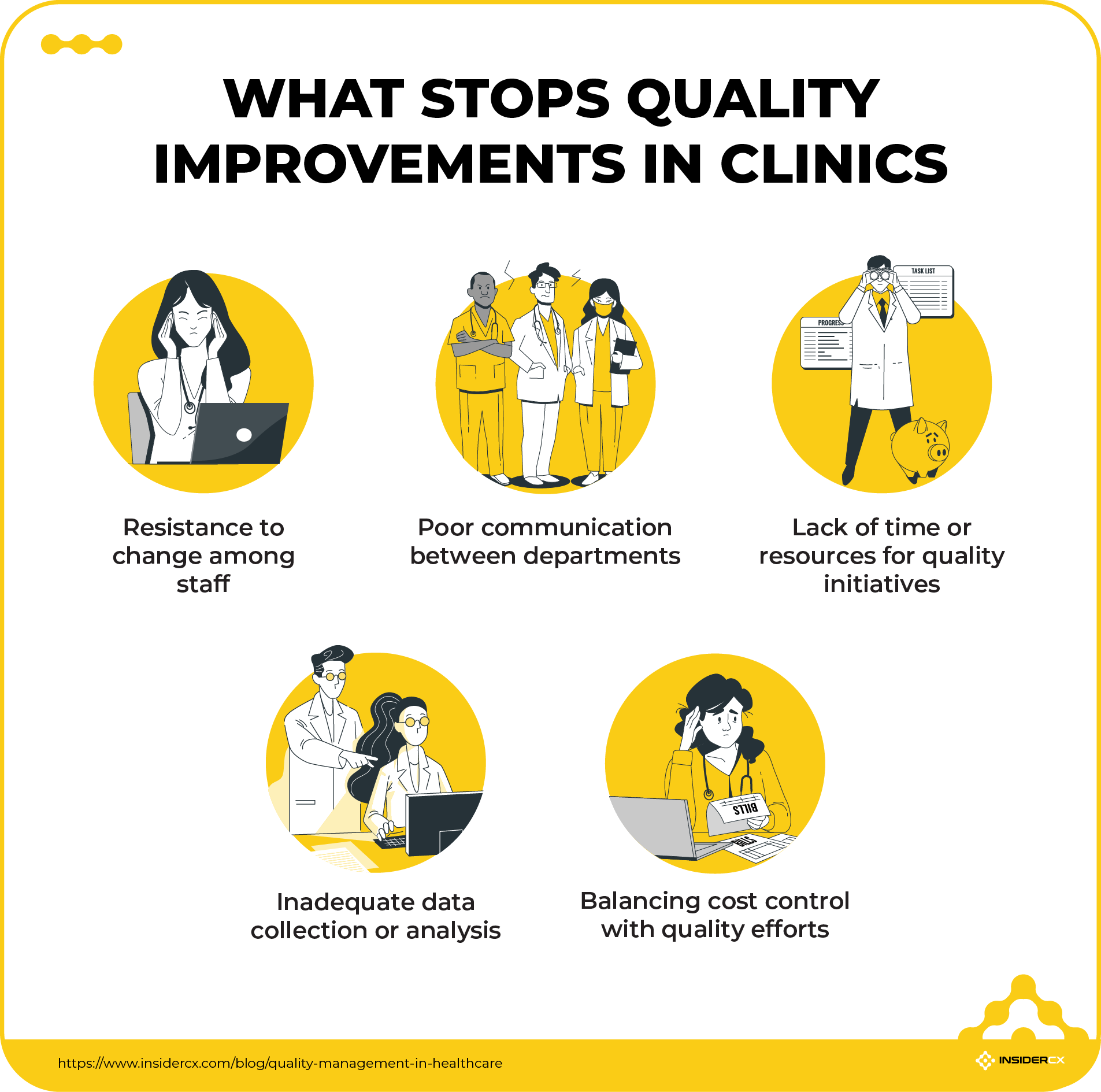
Balancing Administrative Compliance with Direct Patient Engagement
While meeting federal regulations and accreditation standards is mandatory, true quality improvement keeps human connection at the forefront. Healthcare institutions must balance administrative paperwork requirements with dedicated time for meaningful doctor-patient communication efficacy, ensuring that regulatory compliance never eclipses compassionate, personalized care.
Evaluating medical service quality ultimately bridges the gap between raw clinical metrics and the deeply human experience of receiving care. Whether you are reviewing institutional performance benchmarks or analyzing your own patient satisfaction ratings, understanding how healthcare standards operate empowers you to make informed decisions. True excellence in modern medicine requires a continuous commitment to safety, transparency, and compassionate, patient-centered dialogue.
As the healthcare landscape continues to evolve, staying proactive about your health journey remains one of the most effective ways to ensure superior outcomes. By leveraging public rating tools, asking targeted questions during consultations, and prioritizing providers who embrace evidence-based practices, you actively participate in shaping your wellness roadmap. Remember that evaluating medical quality is not a one-time task, but an ongoing practice that protects your long-term health and well-being.