

Navigating the modern healthcare landscape often feels overwhelming, especially when trying to determine which clinic or physician will provide the best care for you and your family. Fortunately, examining medical service quality through the lens of verified patient feedback offers a powerful window into what actually happens behind closed exam room doors. Rather than relying solely on glossy marketing brochures or institutional accolades, everyday patients leave a rich trail of data detailing their clinical experiences, wait times, and interactions with staff.
By understanding what these ratings truly reveal—ranging from administrative friction to exceptional bedside manner—you can make much more informed decisions about your health journey. For deeper insights on evaluating these trends, you can explore this guide on patient satisfaction ratings. In the sections ahead, we will break down the core dimensions of healthcare delivery, explore standard evaluation metrics, and provide a practical framework for interpreting reviews so you can confidently select the right medical provider.
Understanding Medical Service Quality and What Patient Ratings Reveal
Defining Medical Service Quality Through the Patient Lens
Perceived quality versus technical clinical quality
When evaluating medical service quality, healthcare systems historically focused on technical clinical metrics like survival rates, surgical success, and complication frequencies. However, patients experience care differently. Perceived quality encompasses how safe, heard, and respected individuals feel throughout their health journey. While a hospital might boast flawless surgical precision, a patient often measures overall success through factors like staff attentiveness and clarity of discharge instructions.
The evolution toward patient centered care models
Modern medicine has shifted decisively away from paternalistic models toward patient-centered care. This approach honors individual values, preferences, and needs, ensuring that clinical decisions align with what matters most to the person receiving treatment. By actively involving individuals in their care plans, clinics foster a collaborative environment that routinely drives better engagement and adherence to long-term wellness strategies.
Why consumer expectations are reshaping healthcare delivery
Modern consumers expect the same seamless convenience, transparency, and responsiveness from healthcare providers that they experience in retail and hospitality. Long wait times, opaque pricing, and difficult booking portals no longer fly. To remain competitive, modern clinics must adapt to these rising expectations by streamlining administrative workflows and prioritizing the human element of care delivery.
The Core Dimensions of Healthcare Service Quality
Responsiveness, appointment access, and reducing wait times
Accessibility remains a primary pillar of medical service quality. Patients value timely appointment scheduling, minimal time spent in waiting rooms, and prompt responses to digital or phone inquiries. Streamlining these logistical touchpoints significantly reduces patient anxiety and sets a positive tone for subsequent clinical interactions.
Physician and nurse communication quality and empathy
Exceptional bedside manner is non-negotiable. Effective healthcare provider communication scores heavily influence whether a patient feels understood and reassured. When clinicians actively listen, avoid overly dense medical jargon, and demonstrate genuine empathy, patients gain confidence in their treatment plans and feel more comfortable disclosing vital health details.
Facility cleanliness, comfort, and the physical environment
The physical surrounding of a clinic or hospital heavily shapes first impressions and perceived safety. Impeccable cleanliness, calming lighting, intuitive signage, and comfortable seating all contribute to a healing atmosphere that alleviates the inherent stress often associated with medical visits.
Transparency of medical billing and cost of services
Financial clarity is a vital component of the modern healthcare experience. Hidden fees and confusing invoices frustrate consumers and damage trust. Leading providers proactively offer clear cost estimates and transparent billing explanations before rendering services, ensuring financial surprises do not overshadow clinical excellence.
What Official Surveys and Online Ratings Reveal
High satisfaction areas during direct clinical consultations
Publicly reported feedback consistently shows that patients award the highest marks during one-on-one time with doctors and nurses. When clinicians take the time to answer questions thoroughly and show genuine care, patients overwhelmingly report feeling satisfied with the core medical consultation.
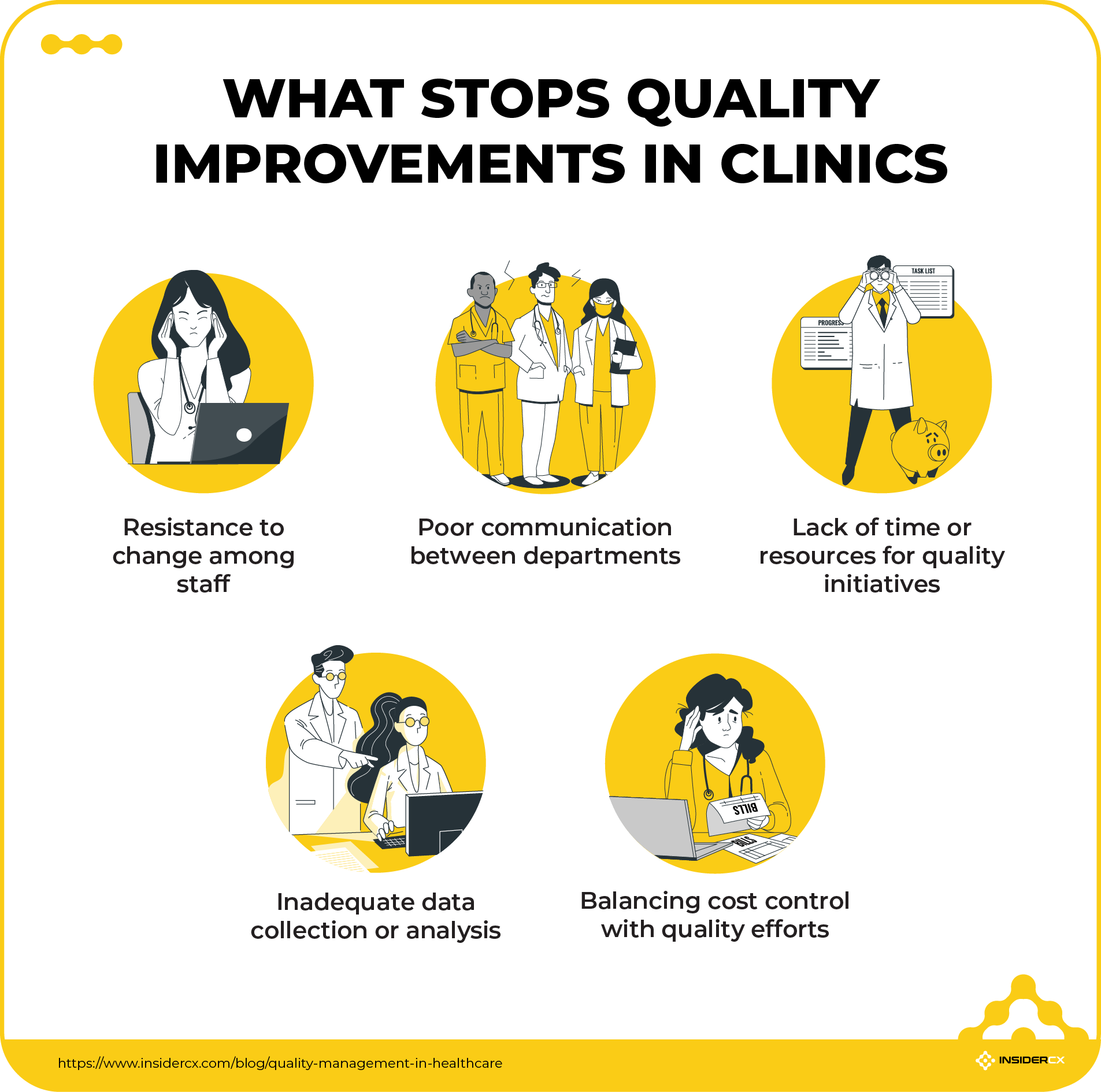
Low satisfaction triggers regarding administrative friction
Conversely, the vast majority of negative reviews stem from non-clinical bottlenecks. Long hold times on phone lines, billing errors, rude front-desk personnel, and delayed lab results are frequent flashpoints that drive down public ratings, regardless of how skilled the treating physician might be.
The proven correlation between positive experiences and health outcomes
Extensive research demonstrates that strong patient satisfaction ratings are not merely a public relations metric; they directly correlate with superior clinical outcomes. Satisfied patients are significantly more likely to follow medication schedules, attend follow-up appointments, and proactively manage chronic conditions, proving that quality service directly supports biological healing.
2. Measurement Tools and Strategic Application of Medical Service Quality Data
2.1 Standard Assessment Tools Used Across the Industry
Evaluating medical service quality requires robust and standardized assessment mechanisms to transform subjective patient experiences into actionable data. Regulatory bodies and healthcare administrators rely on structured questionnaires, such as the Hospital Consumer Assessment of Healthcare Providers and Systems (HCAHPS) survey, to establish federal reporting benchmarks. These standardized metrics allow patients and administrators to compare clinical performance across different facilities nationwide fairly.
Beyond federal guidelines, proprietary tools like Press Ganey evaluations give hospital networks granular insights into departmental workflows and patient satisfaction ratings. Meanwhile, digital health platforms, including Healthgrades, Google, and Vitals, aggregate third-party reviews that offer a more organic, unfiltered look into daily clinic operations. Utilizing these diverse measurement instruments helps stakeholders capture a comprehensive view of overall clinical performance.
2.2 Bridging the Gap and Improving Healthcare Delivery
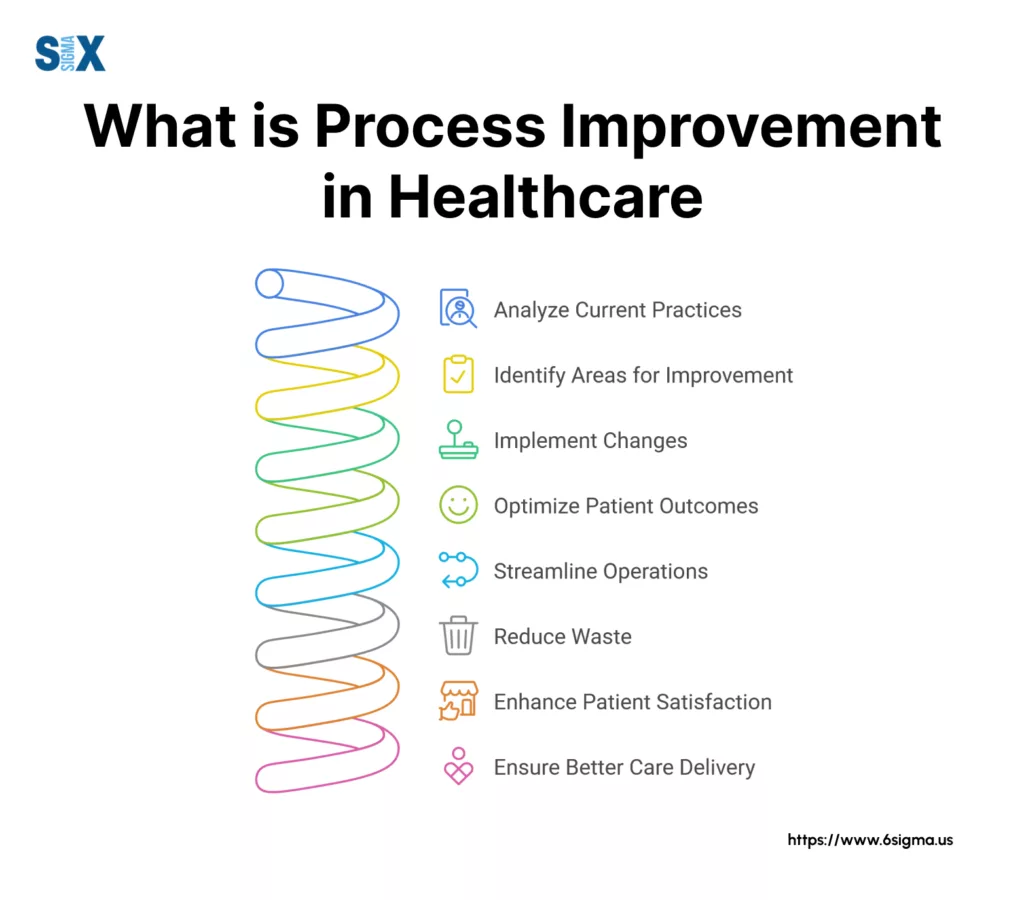
Gathering feedback is only the first step; true progress depends on how healthcare facilities translate patient insights into meaningful operational change. Administrators routinely analyze feedback data to pinpoint administrative bottlenecks, such as prolonged waiting room times or cumbersome intake procedures, which frequently drive down patient satisfaction ratings. By addressing these friction points, clinics can optimize their daily workflows and improve overall patient retention.
Furthermore, progressive practices implement continuous feedback loops that empower staff members to adapt to evolving consumer expectations. Balancing clinical excellence with modern hospitality standards ensures that patients receive not only accurate diagnoses and treatments but also compassionate, respectful care at every touchpoint of their medical journey. You can explore more strategies for enhancing clinic operations through our guide on clinical service evaluation.
2.3 Practical Guide for Patients Evaluating Provider Ratings
For individuals navigating the healthcare landscape, interpreting online provider reviews requires a discerning eye and a structured approach. Patients should look beyond aggregate star ratings and take time to read detailed qualitative comments, which often reveal the specific nuances of a doctor’s communication style or office environment. Understanding what these comments highlight helps individuals make more informed choices about their personal healthcare providers.
It is also essential to distinguish between clinical competence—such as diagnostic accuracy and treatment efficacy—and superficial facility amenities like parking or waiting room decor. Additionally, patients should recognize potential biases inherent in crowdsourced online healthcare reviews, where highly dissatisfied or exceptionally pleased individuals are disproportionately motivated to leave feedback. Evaluating reviews with these considerations in mind leads to a more balanced understanding of a provider’s true capabilities.
Evaluating medical service quality goes far beyond looking at sterile clinical metrics or tallying online star ratings. As we have explored, true healthcare excellence lives at the intersection of rigorous clinical outcomes, empathetic provider communication, and streamlined operational practices. When patients take the time to share their experiences through formal evaluations and crowdsourced reviews, they offer an invaluable roadmap for systemic improvement. Understanding what these insights reveal empowers both healthcare providers striving for operational excellence and individuals navigating their own care journeys.
Ultimately, transforming the modern healthcare landscape requires treating patient feedback not as mere criticism, but as vital clinical intelligence. By looking past surface-level administrative frustrations and focusing on holistic care delivery, medical systems can build deeper trust and foster better long-term health outcomes. To learn more about how to evaluate clinic environments and make informed choices for your family, read our guide on patient satisfaction ratings.