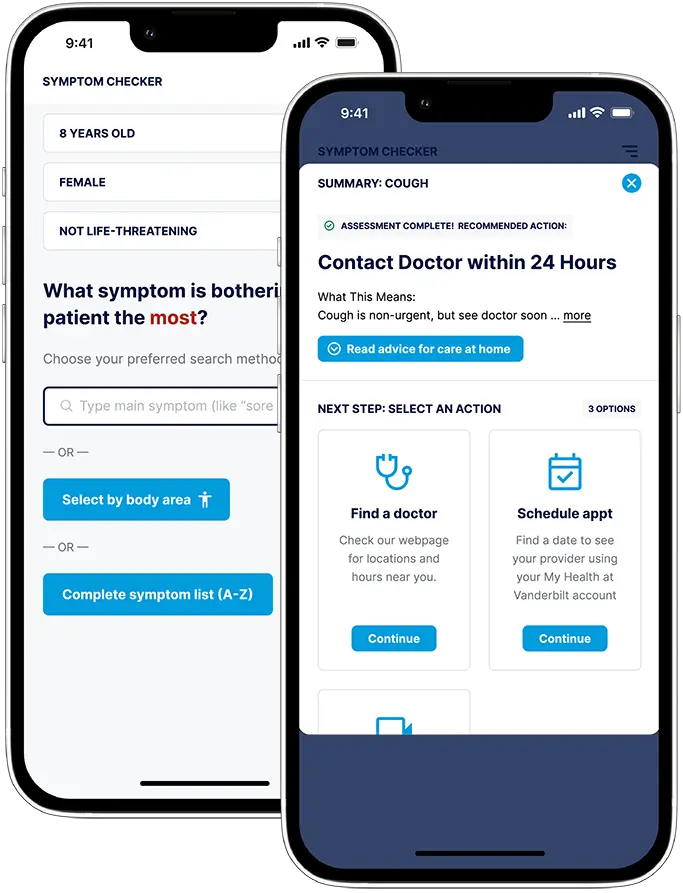

Navigating sudden health concerns can often feel overwhelming, especially when you are trying to figure out whether a symptom requires an immediate trip to the emergency room or simply a routine call to your primary care physician. Fortunately, the rise of digital symptom assessment tools has transformed how patients evaluate their health before stepping into a clinic. By leveraging advanced clinical algorithms and interactive questionnaires, these modern platforms offer immediate medical triage guidance right from your smartphone or computer.
Whether you are looking for clarity on minor ailments or seeking a structured starting point for your healthcare decisions, understanding how these tools work is essential. Throughout this guide, you will learn how clinical-grade algorithms analyze your inputs to provide tailored personalized health guidance, how to safely navigate these technologies, and how they seamlessly fit into the broader telehealth patient journey to help you communicate more effectively with your doctor.
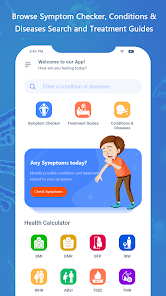
1. Understanding Digital Symptom Assessment and Triage Technology
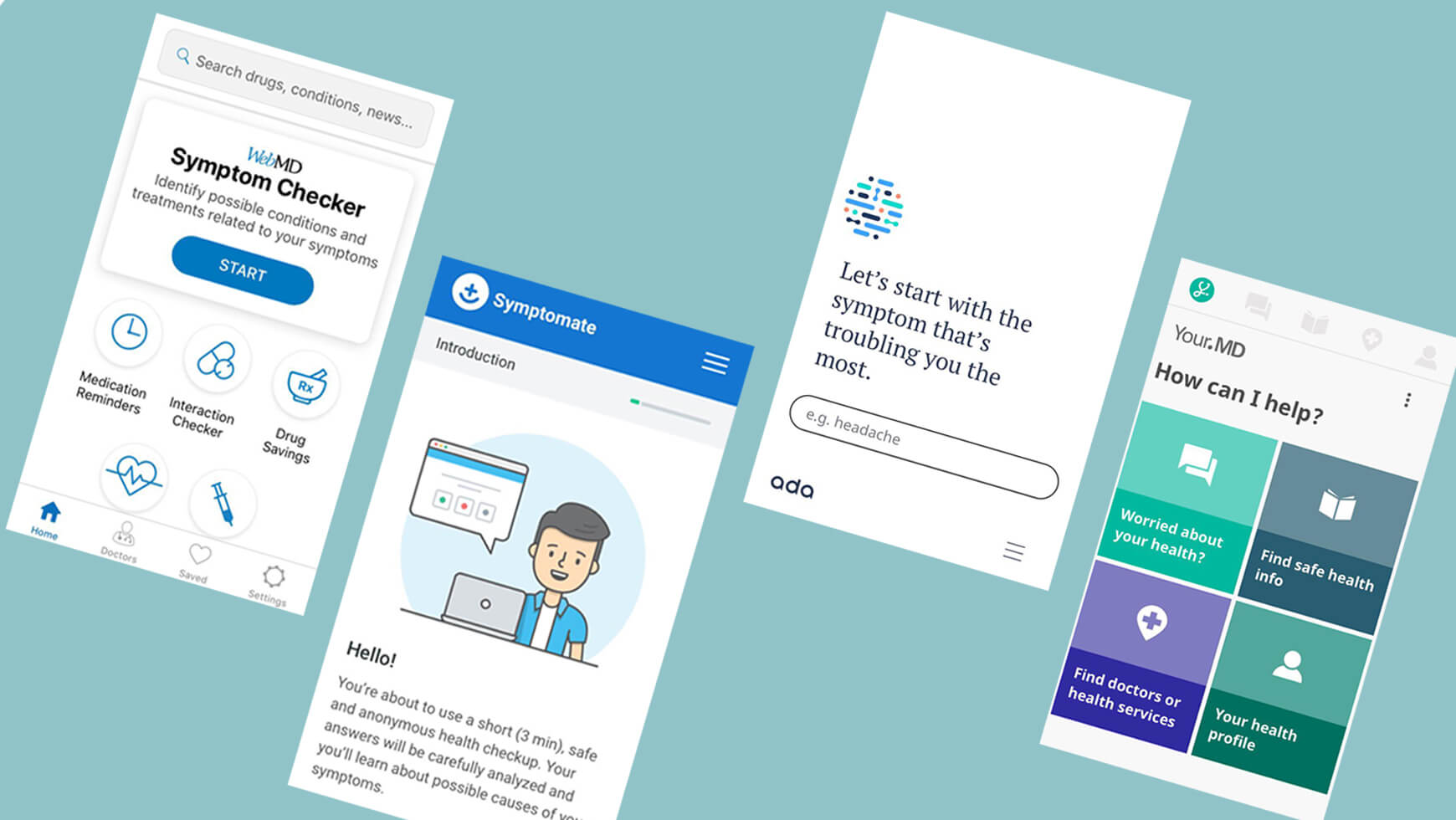
1.1 The Evolution of Digital Symptom Assessment from Web Search to AI
1.1.1 Distinguishing Between Search Engines and Clinical Algorithms
For years, typing symptoms into a traditional search engine often resulted in an overwhelming list of worst-case scenarios, leading to unnecessary anxiety. In contrast, a digital symptom assessment relies on structured clinical algorithms rather than keyword matching. While search engines scan the open web for frequency and popularity, clinical algorithms evaluate medical probability based on peer-reviewed diagnostic rules, helping users navigate towards appropriate medical triage guidance.
1.1.2 How Natural Language Processing Improves Accuracy
Early digital tools required rigid, drop-down menus that often frustrated users trying to describe nuanced discomfort. Modern platforms integrate Natural Language Processing (NLP) to parse everyday phrasing. By interpreting conversational descriptions of pain, fatigue, or unusual sensations, NLP-driven tools map human descriptions directly to standardized medical terminology, significantly improving the precision of initial health evaluations.
1.2 The Mechanics of Modern Symptom Checker Platforms
1.2.1 How Structured Questioning Drives Diagnostic Probability
Once a user inputs their initial concern, the platform initiates a dynamic, branching questionnaire. Much like a primary care physician during an intake exam, the software adapts subsequent questions based on previous answers. This probabilistic modeling weighs overlapping symptom clusters to narrow down potential causes, ensuring that critical red flags are never overlooked.
1.2.2 The Role of Symptom Duration and Severity Scoring
A symptom’s context matters just as much as its presence. Modern platforms incorporate standardized scoring systems to quantify pain levels, track symptom progression over hours or days, and factor in pre-existing conditions. This temporal and severity data forms the backbone of reliable personalized health guidance, distinguishing chronic issues from acute emergencies.
1.3 Clinical Validation and Regulatory Compliance
1.3.1 Defining Clinical-Grade Accuracy versus Consumer-Facing Tools
Not all digital health applications are created equal. Consumer-facing wellness apps offer general insights, whereas clinical-grade tools undergo rigorous testing against real-world patient data to validate their diagnostic safety. Healthcare providers look for platforms backed by empirical studies that demonstrate high sensitivity and specificity in identifying urgent care needs.
1.3.2 The Critical Importance of HIPAA Compliance and Data Encryption
Because symptom checkers collect deeply personal health information, stringent data privacy is non-negotiable. Leading platforms ensure end-to-end encryption and strict compliance with the Health Insurance Portability and Accountability Act (HIPAA). This security infrastructure protects user confidentiality as they seamlessly transition into the broader telehealth patient journey.
2. Implementing Digital Symptom Assessment for Optimized Clinical Outcomes
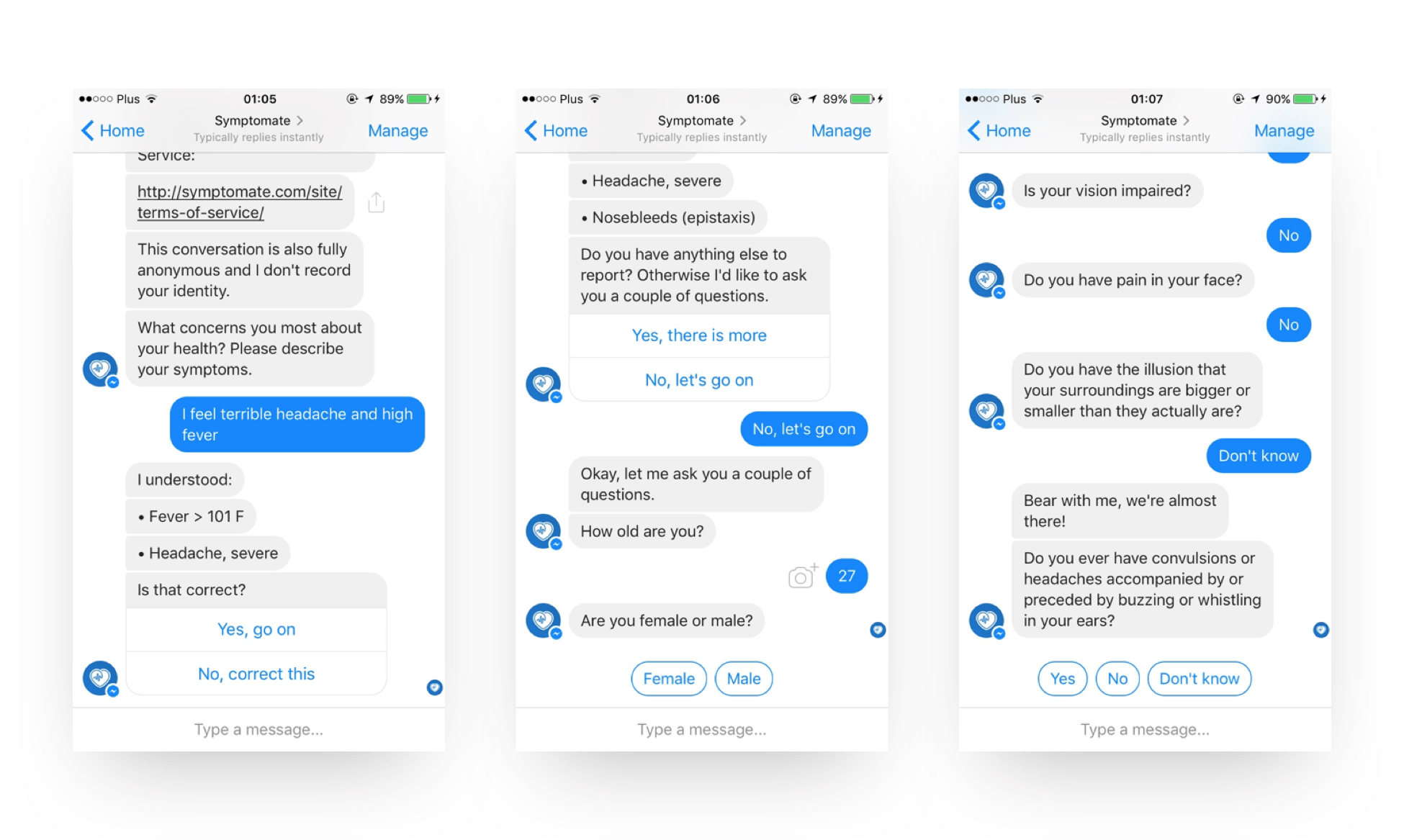
2.1 Practical Use Cases and Patient Benefits
Modern health tools offer powerful ways to navigate everyday wellness concerns, helping individuals evaluate their physical status before deciding on a course of action. When used thoughtfully, these platforms provide reliable medical triage guidance that bridges the gap between home care and professional intervention. By analyzing reported indicators against established clinical databases, systems can quickly outline whether an issue requires an immediate emergency room visit, a same-day urgent care appointment, or simply self-monitoring at home.
Beyond basic sorting, these platforms deliver tailored insights by factoring in individual backgrounds. Receiving personalized health guidance based on demographic details, preexisting conditions, and historical health data ensures that users get context-aware suggestions rather than generic web search results. This customized approach helps individuals understand their unique risk factors and supports a smoother transition along the the telehealth patient journey from initial self-assessment to virtual physician consultations.
2.2 Mitigating Risks and Navigating Potential Limitations
Despite their utility, digital evaluation platforms come with psychological and clinical hurdles that require careful management. A common risk is the temptation to jump to severe conclusions, often leading to heightened worry. Recognizing the boundaries of automated tools helps users avoid cyberchondria and maintain a balanced perspective on their physical health.
Furthermore, standard algorithms rely on statistical probabilities and cannot always account for rare, complex, or overlapping conditions. When symptoms defy standard patterns, automated programs may miss subtle clinical nuances. Users must view these utilities as supportive aids rather than definitive diagnostic instruments, ensuring they consult qualified practitioners when symptoms persist or defy expectations.
2.3 Maximizing the Value of Your Doctor Visit
Preparing for a medical appointment becomes much more efficient when patients bring structured data compiled from prior self-evaluations. Translating digital results into concise clinical conversations allows physicians to review organized symptom timelines, severity scores, and potential risk factors right at the start of the consultation.
Bringing specific inquiries derived from triage summaries empowers individuals to engage as active participants in their healthcare decisions. Patients can ask targeted questions about why certain probabilities were suggested, discuss alternative causes, and collaborate with their doctor to establish a clear, evidence-based treatment plan.
2.4 The Future of Personalized Medicine and Continuous Monitoring
The next frontier in health technology involves seamless integration with everyday personal electronics, such as smartwatches and fitness trackers. Incorporating continuous wearable data—including heart rate variability, sleep patterns, and physical activity metrics—allows assessment platforms to evaluate health changes in real time rather than relying solely on a single snapshot of symptoms.
This shift paves the way for predictive and hyper-personalized care paths. Instead of merely reacting to acute discomfort, future systems aim to identify early warning signs of chronic issues before they escalate, transforming digital tools into proactive partners in long-term wellness management.
Digital symptom assessment has transformed how patients navigate their healthcare journeys, bridging the gap between everyday wellness questions and professional clinical care. By leveraging advanced clinical algorithms and natural language processing, these tools offer structured medical triage guidance that helps individuals evaluate symptom urgency and determine the right next steps. Rather than replacing physicians, modern digital assessments empower patients to organize their health concerns and approach consultations with greater clarity and confidence.
As technology continues to integrate real-time health data and predictive analytics, the future of healthcare promises even more tailored support. Embracing these tools as a complementary part of your overall wellness strategy ensures you stay informed, proactive, and better connected to the clinical resources you need for optimal health outcomes.