

When an unexpected illness or injury strikes, knowing how to evaluate symptom severity quickly can feel overwhelming. In these high-stakes moments, reliable medical triage guidance serves as a vital compass, helping patients and caregivers determine whether a condition requires an emergency room visit, an urgent care trip, or safe monitoring at home. Navigating the modern healthcare continuum—from utilizing a digital symptom assessment tool to consulting a virtual nurse—requires a clear understanding of clinical urgency and available care pathways.
Throughout this guide, you will learn how to recognize critical red flag symptoms, evaluate the distinct differences between local healthcare facilities, and effectively leverage professional resources when your health status feels ambiguous. By understanding these foundational triage principles, you can take proactive steps to protect your well-being and secure the right level of medical care without unnecessary delay.
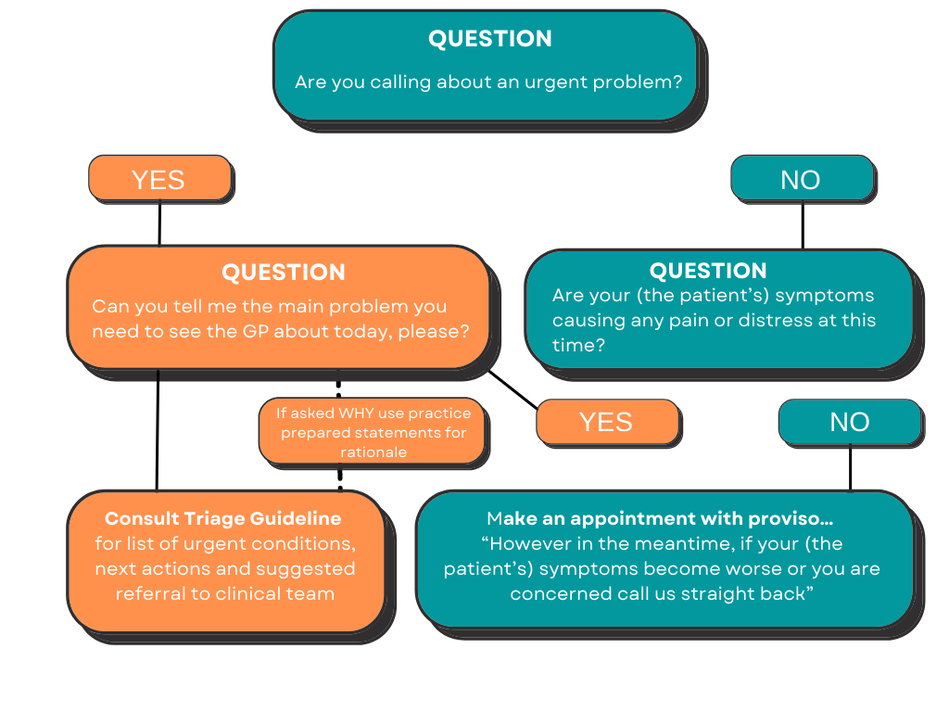
1. Understanding Medical Triage Guidance and Symptom Severity
Navigating sudden health concerns can feel overwhelming, which is why reliable medical triage guidance is essential for making safe, informed decisions. Whether you are dealing with a sudden illness at midnight or evaluating a minor injury, knowing how to interpret symptom severity helps bridge the gap between home care and emergency intervention.
1.1 The Definition and Role of Triage in Modern Healthcare
Triage is fundamentally a process of prioritization. Originating from battlefield medicine, the concept has evolved into a cornerstone of the modern healthcare system, ensuring that limited medical resources are directed to patients who need them most urgently.
1.1.1 Distinguishing between clinical triage and personal medical decision-making
Clinical triage is performed by trained medical professionals—such as triage nurses or emergency physicians—using standardized protocols to evaluate a patient’s vital signs and physical presentation. In contrast, personal medical decision-making involves you or a caregiver assessing symptoms at home. Utilizing tools like a digital symptom assessment can help bridge these two worlds, offering structured questionnaires that mirror clinical logic to help you decide whether to visit an urgent care center or stay home.
1.1.2 How healthcare providers categorize patients based on acuity levels
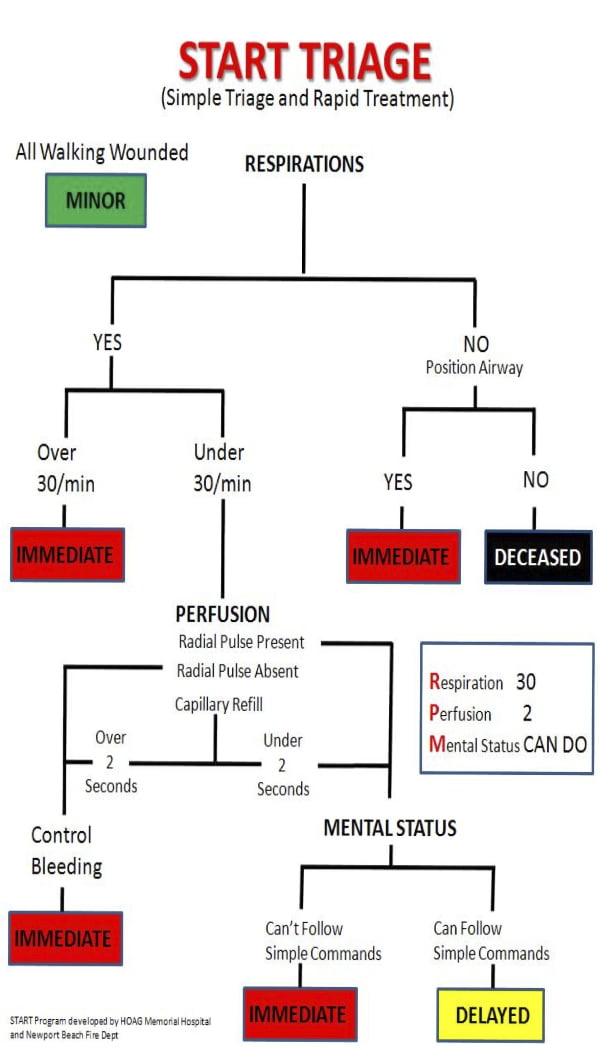
In hospital settings, professionals rely on standardized frameworks like the Emergency Severity Index (ESI) to sort patients from level one (resuscitation required immediately) to level five (non-urgent routine care). Understanding that medical facilities prioritize life-threatening instability over discomfort helps set realistic expectations during crowded emergency room visits.
1.2 Essential Red Flag Symptoms That Require Emergency Intervention
Recognizing when a health issue crosses the threshold from uncomfortable to critical can save a life. Knowing specific red flags empowers you to bypass second-guessing and call for emergency services immediately.
1.2.1 Identifying cardiovascular and neurological crises including stroke and heart attack indicators
Sudden chest pressure, radiating pain down the left arm, or unexplained shortness of breath demand an immediate 911 call. Similarly, neurological warning signs must never be ignored. Remembering the FAST acronym—Face drooping, Arm weakness, Speech difficulty, and Time to call 911—is vital for identifying potential strokes where rapid treatment preserves brain function.
1.2.2 Recognizing respiratory distress and the necessity of immediate supplemental oxygen
Difficulty breathing, persistent gasping, a bluish tint to the lips or nail beds, and the use of chest muscles to breathe indicate severe respiratory distress. These symptoms mean the body is not receiving adequate oxygen and require emergency medical transport.
1.2.3 Critical warning signs in vulnerable populations including infants and the elderly
Vulnerable groups often present symptoms differently. For infants under three months, a rectal temperature of 100.4 degrees Fahrenheit or higher is always an emergency. In elderly individuals, sudden confusion, lethargy, or a sudden change in baseline behavior often signals a severe underlying systemic infection or metabolic crisis.
1.3 Leveraging Professional Resources When Symptoms Are Ambiguous
When symptoms fall into a gray area—neither clearly an emergency nor entirely safe to ignore—seeking professional insight is the safest path forward.
1.3.1 How to utilize 24/7 nurse advice lines and telehealth services effectively
Most health insurance plans and healthcare networks offer round-the-clock nurse lines. Speaking with a registered nurse provides reassuring, objective advice. Furthermore, integrating a virtual visit into your optimizing the telehealth patient journey can connect you with a clinician who evaluates visual cues and medical history to guide your next steps.
1.3.2 Determining when to monitor symptoms at home versus seeking professional evaluation
Mild symptoms like a low-grade fever, minor localized pain, or a common cold can typically be monitored at home with rest and over-the-counter remedies. However, if symptoms persist, worsen, or fail to respond to home care within a reasonable timeframe, seeking professional medical evaluation ensures you catch developing complications early.
Navigating Care Options and Medical Triage Guidance for Optimal Outcomes
When to choose urgent care for non-life-threatening injuries and illnesses
When you or a loved one falls ill outside of regular family practice hours, evaluating your care options efficiently prevents unnecessary emergency room visits. Urgent care clinics are specifically designed to bridge the gap between routine primary care and emergency departments. You should choose an urgent care center for acute, non-life-threatening conditions such as mild to moderate sprains, small lacerations requiring stitches, earaches, minor burns, and sudden cold or flu symptoms. Receiving expert medical advice via a quick clinic visit or an online consultation can often point you toward the most appropriate setting before you leave home.
Why specific medical conditions mandate immediate emergency department resources
Certain physical symptoms transcend the capabilities of standard outpatient clinics and demand immediate hospital-level intervention. Conditions involving sudden chest pain, neurological deficits indicating a stroke, severe respiratory distress, uncontrolled hemorrhaging, or major traumatic injuries require the advanced imaging, surgical support, and specialized staff found exclusively in emergency rooms. Attempting to manage these high-acuity medical events at an urgent care facility can lead to dangerous delays in life-saving treatment.
Understanding how insurance coverage and out-of-pocket costs vary by facility type
Navigating healthcare finances is a vital part of effective medical triage guidance. Emergency departments typically incur significantly higher facility fees, diagnostic charges, and overall out-of-pocket expenses compared to urgent care clinics or virtual visits. Most health insurance plans feature distinct copayments for urgent care versus emergency services, making it crucial to understand your policy’s network provisions before a crisis strikes.
Maintaining an updated emergency medical kit and personal health documentation
Proactive preparation significantly reduces panic and friction during urgent health events. Every household should maintain a clearly organized emergency medical kit that includes basic wound care supplies, digital or paper copies of current prescription medications, insurance cards, and signed healthcare power of attorney documents. Having this information readily accessible ensures that emergency responders or triage nurses can act swiftly without administrative delays.
Mapping your local healthcare infrastructure for stroke and trauma center access
Time is muscle and brain tissue during severe medical emergencies. Take time today to identify the locations of the nearest certified stroke centers, level-rated trauma hospitals, and standard emergency departments relative to your home and workplace. Knowing which facilities possess specialized capabilities ensures that you or your transport drivers make informed decisions rather than simply heading to the closest physical building.
Developing a communication plan for family members during urgent medical events
Chaos often accompanies acute medical crises, making pre-established communication channels invaluable. Families should designate a primary point of contact, share digital calendar access for medical appointments, and outline clear responsibilities for who will manage childcare, pet care, or hospital updates if an unexpected emergency requires a sudden trip to a specialized care center.
Safety protocols for transport during a suspected medical emergency
Deciding between driving yourself or calling emergency services is one of the most critical judgment calls in patient care. If you suspect a heart attack, stroke, severe bleeding, or sudden altered mental status, you must call 911 immediately rather than attempting private vehicle transport. Emergency medical services begin vital life support protocols en route to the hospital, significantly improving survival outcomes.
Standard triage procedures upon hospital admission and patient prioritization
Upon arriving at a hospital or emergency facility, healthcare personnel utilize standardized sorting systems to evaluate incoming patients based strictly on clinical urgency rather than arrival time. Understanding that a severe respiratory crisis will consistently take precedence over a minor fracture helps manage expectations during high-volume periods in modern emergency departments.
Navigating sudden health concerns can feel overwhelming, but understanding the fundamentals of medical triage guidance empowers you to make calm, informed decisions when every minute counts. Whether you are using a digital symptom assessment tool to evaluate a mild fever at home or recognizing critical red flags that demand an immediate trip to the emergency room, knowing your care options ensures you receive the right level of support. True healthcare readiness involves more than just reacting to crises—it means keeping your personal medical information updated, mapping nearby specialized facilities, and understanding when to seek out professional clinical expertise.
By preparing ahead and staying familiar with the distinctions between urgent care clinics and emergency departments, you can protect both your well-being and your peace of mind. Always remember that when symptoms are ambiguous or rapidly worsening, reaching out for professional medical advice is the safest and most reliable path forward.