

Navigating modern healthcare requires a clear understanding of how facilities measure and maintain operational excellence. Conducting a thorough clinical service evaluation allows medical organizations to look beyond basic patient counts and examine the true mechanics of care delivery. By systematically reviewing everything from diagnostic accuracy to post-treatment recovery trajectories, healthcare leaders can identify operational bottlenecks and enhance overall medical service quality across their networks.
Measuring quality in medicine is no longer just an internal exercise; it directly shapes patient trust, regulatory compliance, and reimbursement models. Whether you are a healthcare administrator looking to refine institutional frameworks or a patient researching quality of care assessments, understanding these evaluative methods is essential. This article explores the foundational frameworks, modern data collection methodologies, and continuous improvement strategies that define high-performing clinical environments today.
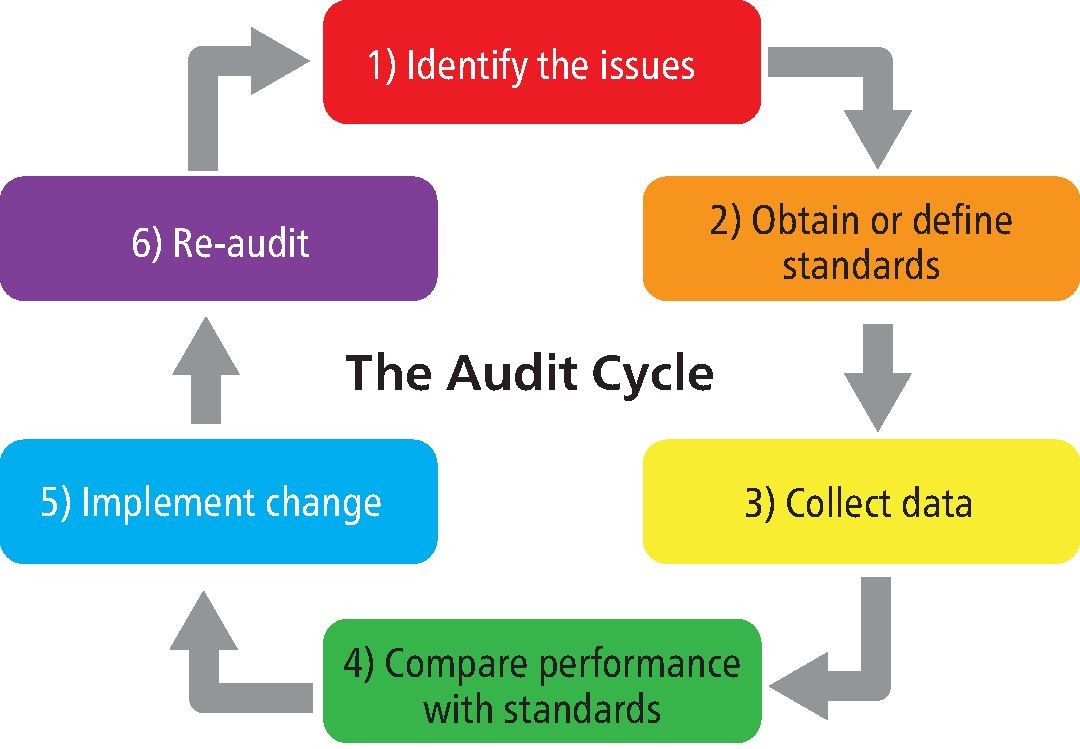
1. Fundamentals of Clinical Service Evaluation and Quality Frameworks
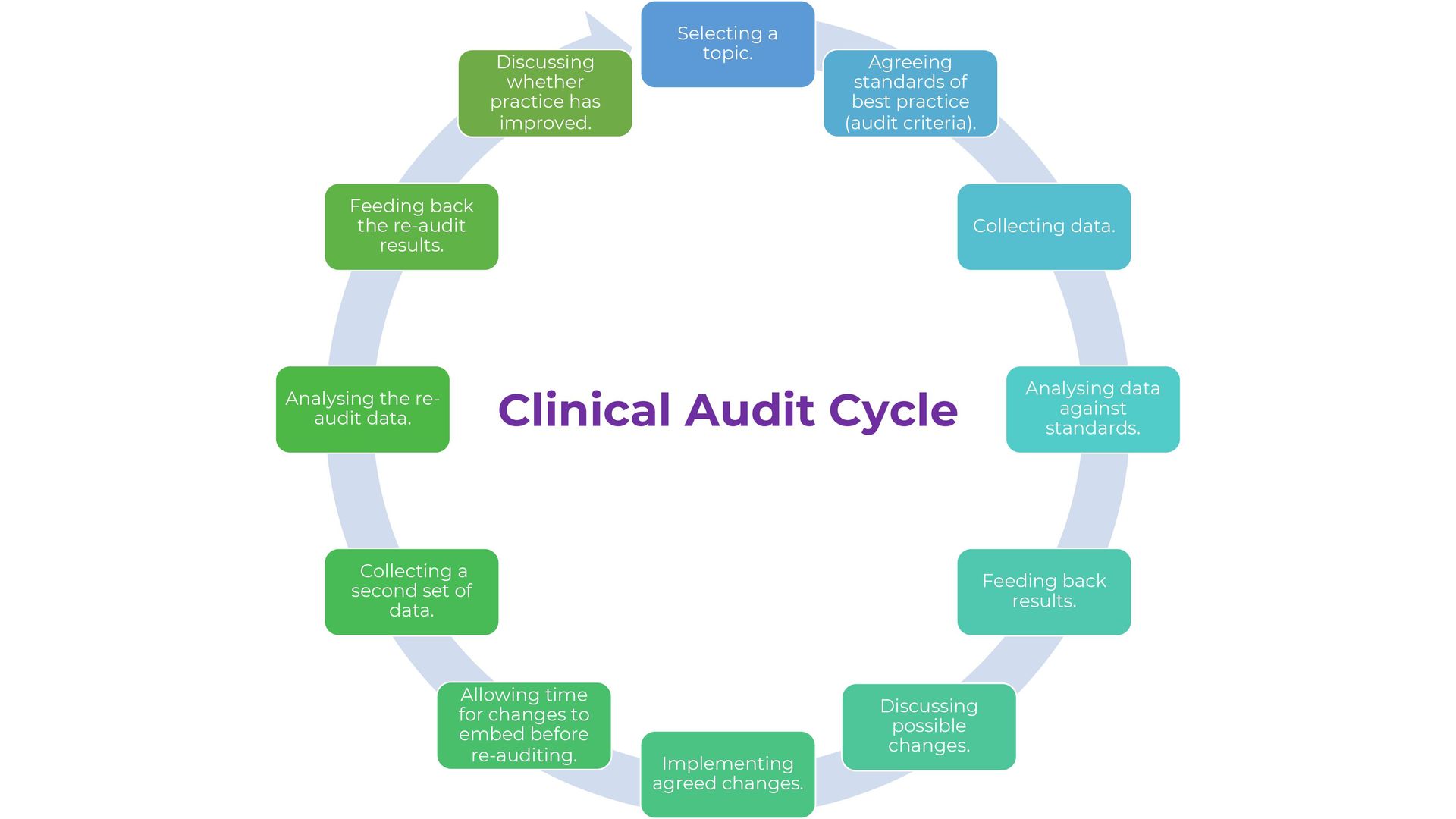
A rigorous clinical service evaluation serves as the foundational pillar for any modern healthcare delivery system striving for operational excellence. By systematically reviewing structures, processes, and clinical results, medical organizations can pinpoint operational bottlenecks, enhance patient safety protocols, and elevate overall medical service quality. This structured analytical approach relies on established conceptual models to transform raw clinical data into actionable insights for healthcare administrators, clinicians, and quality improvement teams.
1.1 Defining the Core Components of Healthcare Quality
Healthcare quality is a multidimensional concept that goes far beyond basic clinical competence. To establish comprehensive benchmarks, healthcare leaders must evaluate several interacting operational pillars that dictate the day-to-day patient experience and long-term recovery metrics.
1.1.1 Evaluating Safety and Clinical Effectiveness
Patient safety remains the absolute baseline of all quality assessments. Evaluating this component involves tracking hospital-acquired conditions, medication administration errors, surgical site infections, and readmission rates. Clinical effectiveness measures whether evidence-based guidelines are successfully translated into patient care, ensuring that treatments yield the best possible health outcomes relative to current medical science.
1.1.2 Assessing Timeliness and Equitable Access
Even the most advanced medical treatments lose their value if they are delivered too late or restricted to specific populations. Assessing timeliness requires monitoring emergency department wait times, diagnostic turnaround windows, and specialist referral scheduling. Concurrently, evaluating equity ensures that care delivery remains consistent across diverse demographic groups, eliminating disparities rooted in socioeconomic status, race, or geographic location.
1.2 Applying the Donabedian Model to Modern Practice
Originally developed by Avedis Donabedian, the triad of structure, process, and outcome remains the gold standard framework for organizing and evaluating healthcare quality. Modern clinics adapt this classic model to align with evolving digital workflows and value-based care mandates.
1.2.1 Structural Prerequisites for High-Quality Care
Structural measures examine the environment in which care occurs. This includes evaluating facility accreditations, staff-to-patient ratios, advanced diagnostic capabilities, and health information technology infrastructure. Ensuring robust structural prerequisites—such as adopting interoperable electronic health records—directly supports the broader goals outlined in medical excellence benchmarks: how to evaluate quality care.
1.2.2 Process Metrics vs. Final Clinical Outcomes
Process metrics track the specific actions taken by providers during care delivery, such as adherence to diabetic screening protocols or timely administration of preventative vaccines. Clinical outcomes, conversely, measure the ultimate impact of those processes on the patient’s health status, including mortality rates, functional recovery, and subjective well-being.
1.3 Regulatory and Value-Based Care Drivers
The shift from traditional fee-for-service models to value-based care has transformed service evaluation from an internal management preference into an external regulatory necessity.
1.3.1 CMS Quality Payment Programs and Reimbursement
The Centers for Medicare & Medicaid Services utilize programs like the Quality Payment Program to tie clinical performance directly to financial reimbursement. Providers must report specific quality measures and clinical practice improvement activities to avoid financial penalties and qualify for performance-based bonuses.
1.3.2 Joint Commission Standards and HEDIS Benchmarking
Accrediting bodies such as The Joint Commission enforce stringent national patient safety goals that require ongoing internal evaluation. Furthermore, Healthcare Effectiveness Data and Information Set measures allow organizations to benchmark their performance against national averages, ensuring transparent accountability and continuous alignment with industry best practices.
2. Implementing and Scaling Clinical Service Evaluation Strategies
2.1 Methodologies for Comprehensive Data Collection
Modern healthcare systems require robust data collection frameworks to assess medical service quality accurately. By leveraging electronic clinical quality measures (eCQMs) and electronic health record (EHR) data mining, administrators can extract real-time insights regarding patient treatments and outcomes. When paired with structured workflows, this digital approach ensures that every clinical service evaluation captures both broad operational trends and specific diagnostic metrics without adding undue friction to daily clinical routines.
Complementing administrative data with direct patient insights is equally vital for measuring medical service quality. Healthcare facilities increasingly rely on patient-reported outcome measures (PROMs) and patient-reported experience measures (PREMs) to evaluate care effectiveness from the individual’s perspective. These tools capture subjective recovery data and emotional or informational support metrics, turning raw numbers into actionable patient satisfaction ratings that guide administrative decision-making.
To ensure fair comparisons across diverse patient demographics, healthcare organizations must also implement rigorous risk adjustment strategies. Without adjusting for baseline health disparities, age, and chronic comorbidities, quality metrics can unfairly penalize providers who care for sicker or more vulnerable populations. Proper risk stratification guarantees that evaluations reflect true provider performance rather than external socioeconomic or biological factors.
2.2 The Continuous Quality Improvement Lifecycle
Transforming raw data into better patient outcomes requires a structured, iterative approach to operational refinement. Many facilities utilize Plan-Do-Study-Act (PDSA) cycles to test small-scale operational changes, measure their impact on medical service quality, and scale successful interventions across the entire organization. This agile framework empowers care teams to resolve bottlenecks swiftly and foster a culture of perpetual improvement.
Sustaining these quality initiatives demands robust multidisciplinary governance teams. When physicians, nurses, data analysts, and administrative leaders collaborate, they bring diverse perspectives to every clinical service evaluation. However, achieving seamless collaboration often requires overcoming significant technological barriers, such as fragmented data silos and poor software interoperability between legacy healthcare systems.
2.3 Future Trends in Service Evaluation
The landscape of healthcare evaluation is shifting rapidly toward predictive analytics and artificial intelligence integration. Machine learning algorithms can now scan massive datasets to predict clinical deterioration, readmission risks, and operational inefficiencies before they impact patient safety. These advanced models allow clinical teams to pivot from reactive auditing to proactive quality management.
Furthermore, the rise of remote patient monitoring and wearable devices has introduced a continuous stream of real-time care metrics. While this abundance of data enhances clinical insight, it also amplifies administrative burdens. Striking the right balance between comprehensive clinical documentation and clinician well-being remains one of the most pressing challenges for modern healthcare delivery systems aiming to maintain high standards of patient care.
Ultimately, a successful clinical service evaluation goes far beyond ticking compliance boxes or meeting minimum regulatory standards. By anchoring quality improvement initiatives in robust structural frameworks, rigorous data collection, and a genuine commitment to patient voices, healthcare organizations can transform raw information into meaningful operational excellence. Whether tracking complex eCQMs, analyzing vital patient satisfaction ratings, or reviewing structured clinic feedback analysis, the ultimate goal remains consistent: delivering safer, more equitable, and highly effective care for every individual who walks through the door.
As the healthcare landscape continues to evolve alongside value-based care models and emerging predictive technologies, staying proactive is essential for long-term clinical success. Facilities that prioritize transparent metrics, continuous learning through iterative cycles, and the integration of patient-reported outcome measures will consistently lead the way in modern medical quality. To explore deeper strategies for elevating care standards and optimizing your facility’s operational frameworks, review our guide on clinical service evaluation: how to improve patient outcomes today.