

Navigating the modern medical landscape requires more than just finding a nearby physician; it demands a deep understanding of clinical treatment outcomes and how they reflect overall medical quality. For patients, healthcare providers, and policymakers alike, evaluating these results is essential for determining whether medical interventions successfully restore health, alleviate chronic symptoms, and improve long-term well-being. Evaluating healthcare excellence goes beyond simple statistics, diving into complex measures like survival rates, functional recovery, and patient-reported experiences across various accredited healthcare facilities.
In this article, you will learn how medical professionals define, measure, and leverage these critical performance metrics. We will explore the frameworks used to assess institutional excellence, the technological advancements driving modern data tracking, and the strategic applications that shape the future of value-based care.
1. Understanding and Measuring Clinical Treatment Outcomes in Modern Healthcare
Evaluating clinical treatment outcomes is essential for defining medical excellence, shaping clinical protocols, and ensuring that interventions genuinely improve patient health. Modern healthcare systems have shifted away from relying strictly on institutional processes, focusing instead on the actual results experienced by patients. By examining data comprehensively, healthcare providers can better understand how specific therapies influence long-term wellness.
1.1 Defining Core Dimensions of Clinical Treatment Outcomes
Quantifying medical success requires looking beyond a single data point. To establish reliable medical excellence benchmarks, providers monitor a multifaceted spectrum of health milestones that capture both physiological survival and everyday functioning.
1.1.1 Evaluating Mortality and Survival Benchmarks
Mortality rates and risk-adjusted survival statistics remain the foundational baseline of acute care evaluation. These metrics track short-term procedural survival and long-term disease-specific survival rates, offering a clear initial indicator of institutional safety and clinical proficiency.
1.1.2 Assessing Symptom Remission and Functional Mobility
Beyond survival, evaluating success requires looking at symptom eradication and the restoration of physical independence. Providers track how effectively treatments eliminate disease markers, alongside physical therapy metrics that measure a patient’s return to independent mobility and daily occupational activities.
1.1.3 Integrating Health-Related Quality of Life Metrics
A successful clinical intervention must preserve or enhance the patient’s lived experience. Health-related quality of life assessments measure psychological well-being, social functioning, and freedom from chronic pain, ensuring that medical treatments support a meaningful and active lifestyle.
1.2 Frameworks for Assessing Healthcare Excellence
Translating raw clinical data into actionable quality improvements requires structured theoretical and practical evaluation models.
1.2.1 Application of the Donabedian Model in Modern Settings
The Donabedian triad—examining structure, process, and outcome—remains a cornerstone for medical evaluation. By linking the structural capabilities of accredited healthcare facilities directly to patient recovery milestones, care teams can pinpoint precisely which operational variables drive superior medical results.
1.2.2 The Role of Risk Adjustment in Measuring Performance
Because patient populations vary widely in baseline health, age, and comorbidity, direct comparisons can be misleading. Risk adjustment models level the playing field, allowing researchers to evaluate provider performance accurately even when treating high-risk or chronically ill demographics.
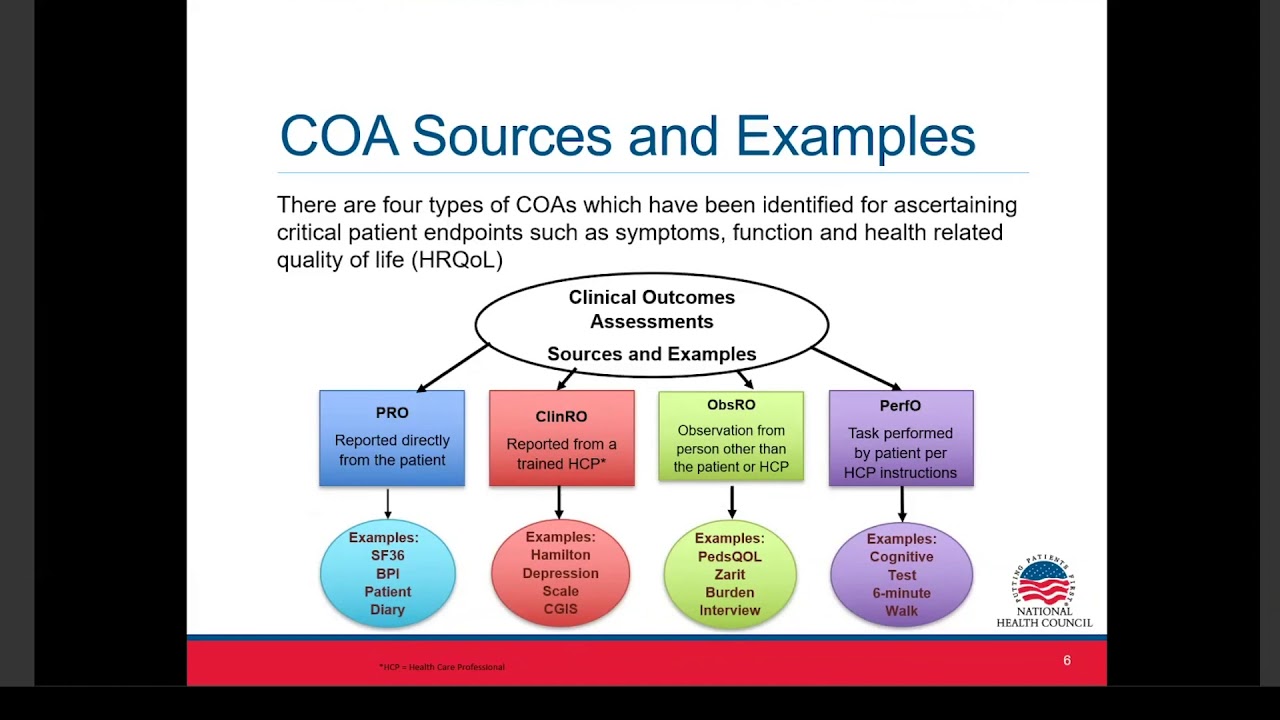
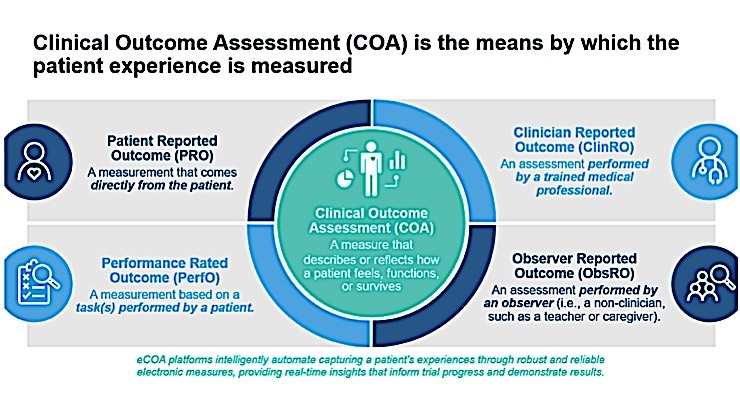
1.2.3 Utilizing Patient-Reported Outcome Measures for Holistic Data
Clinical charts only tell part of the story. Incorporating direct feedback allows healthcare teams to evaluate patient-reported outcome measures, capturing symptoms, side effects, and functional status directly from the individual undergoing care.
1.3 Leveraging Data and Technology for Outcome Tracking
Advanced digital infrastructure empowers health systems to collect, analyze, and act upon vast quantities of clinical data in real time.
1.3.1 Utilizing EHR Systems and Disease-Specific Registries
Electronic Health Record platforms and specialized clinical registries aggregate longitudinal patient data. This continuous data stream enables researchers to conduct large-scale epidemiological studies and track the long-term efficacy of novel therapeutic interventions.
1.3.2 The Role of Artificial Intelligence and Predictive Analytics
Machine learning algorithms and predictive modeling tools analyze complex clinical datasets to identify subtle early warning signs of complications. These technologies allow care teams to intervene proactively, shifting the paradigm from reactive treatment to anticipatory disease management.
1.3.3 Overcoming Interoperability and Data Fragmentation Challenges
Despite technological advancements, data silos and incompatible software systems frequently hinder comprehensive tracking. Modern health informatics initiatives focus heavily on establishing universal data standards to ensure seamless information sharing across disparate medical networks.
2. Strategic Application of Clinical Treatment Outcomes for Stakeholders and Future Growth
The systematic collection of clinical treatment outcomes extends far beyond academic research, serving as a vital operational compass for modern healthcare systems. When hospitals, clinics, and health networks aggregate and analyze recovery data, they transform raw medical metrics into actionable insights. This shift empowers diverse stakeholders—from executive leadership and bedside clinicians to insurance providers and everyday healthcare consumers—to make data-driven decisions that elevate the overall standard of medicine.
2.1 Driving Value-Based Care and Informed Decision-Making
Transitioning from traditional fee-for-service models to value-based care requires robust mechanisms to evaluate the true efficacy of medical interventions. By focusing on the quality of care delivered rather than the sheer volume of procedures performed, the healthcare industry aligns financial incentives with genuine patient recovery.
2.1.1 Enhancing Provider Quality Improvement and Internal Benchmarking
Medical teams utilize internal benchmarking to track their performance against historical data and peer departments. By analyzing specific intervention success rates and complication frequencies, institutions can refine surgical pathways, reduce infection rates, and standardize evidence-based protocols across all departments. This continuous internal audit cycle is essential for maintaining clinical excellence.
2.1.2 Informing Payer Reimbursement and Value-Based Purchasing Models
Modern insurance carriers and federal payers increasingly tie financial reimbursement directly to documented recovery metrics. Facilities that demonstrate superior performance, lower readmission rates, and high cost-efficiency are rewarded through value-based purchasing programs. This financial framework incentivizes organizations to invest in preventative strategies and advanced therapeutic modalities that yield superior long-term results.
2.1.3 Assisting Patient Choice Through Public Reporting and Transparency
Empowered consumers demand clear, accessible information regarding provider performance before scheduling procedures. Publicly reported metrics allow individuals to review institutional success rates, empowering them to select accredited healthcare facilities that align with their personal health goals and safety standards.
2.2 Addressing Systemic Challenges in Outcome Evaluation
Despite technological advancements, evaluating therapeutic success is not without operational and analytical hurdles. Accurate performance assessment requires navigating complex variables that can easily distort raw data if not properly accounted for.
2.2.1 Incorporating Social Determinants of Health into Clinical Metrics
Patient recovery is heavily influenced by non-medical factors such as socioeconomic status, housing stability, and access to nutritious food. Failing to account for these social determinants of health can unfairly penalize providers serving vulnerable populations, highlighting the need for inclusive evaluation models.
2.2.2 Mitigating Attribution Bias in Complex Patient Populations
Patients with multiple chronic conditions often receive care from numerous specialists across different health systems, making it difficult to attribute a specific recovery milestone or adverse event to a single provider. Advanced statistical modeling is required to isolate individual contributions to patient health trajectories.
2.2.3 Balancing Regulatory Reporting with Clinical Workflow Efficiency
Clinicians face mounting administrative burdens associated with documenting quality measures. Streamlining data collection tools ensures that regulatory mandates do not detract from direct patient care or contribute to staff burnout.
2.3 Emerging Trends Shaping the Future of Clinical Evaluation
The landscape of medical evaluation continues to evolve rapidly, driven by emerging technologies and a deeper appreciation for individualized medicine.
2.3.1 Real-World Evidence and Post-Market Surveillance
Real-world evidence bridges the gap between controlled clinical trials and everyday patient populations. Post-market surveillance utilizes large-scale observational data to monitor the long-term safety and effectiveness of new drugs and medical devices in diverse community settings.
2.3.2 Impact of Wearable Technology and Remote Patient Monitoring
Connected health devices allow care teams to track vital signs, activity levels, and symptom progression outside the clinical environment in real time. This continuous data stream offers a more accurate picture of daily recovery than periodic in-office visits.
2.3.3 Precision Medicine Pathways and Personalized Outcome Benchmarks
By leveraging genetic profiling, biomarker analysis, and tailored therapeutic plans, modern medicine is moving toward individualized success benchmarks. These precision pathways ensure that treatment efficacy is measured against what is uniquely achievable for each patient’s genetic and physiological makeup.
Evaluating clinical treatment outcomes serves as the foundation for modern healthcare excellence, shifting the industry focus from volume-based service to genuine patient recovery and long-term wellness. By analyzing clinical treatment outcomes alongside rigorous medical excellence benchmarks, healthcare systems can continuously refine their protocols, elevate safety standards, and validate the efficacy of their interventions.
For patients, understanding these metrics empowers more informed decision-making, especially when seeking care within accredited healthcare facilities that prioritize transparent quality reporting. As technology, predictive analytics, and value-based care models continue to evolve, the systematic tracking of patient results will remain instrumental in driving continuous clinical improvement. Embracing these comprehensive evaluation frameworks ensures that the future of healthcare remains firmly centered on accountability, safety, and superior patient recovery.
To learn more about how quality metrics influence institutional standards, read our guide on healthcare quality benchmarks.