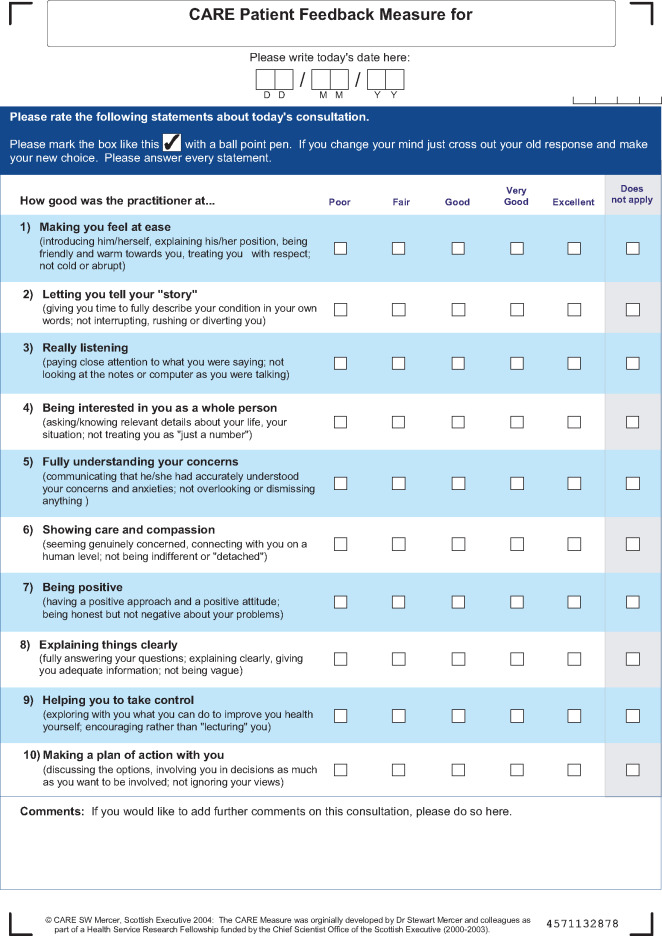

For decades, traditional healthcare evaluations relied heavily on clinical markers like lab results, imaging scans, and surgical complication rates. While these objective metrics remain vital, they often fail to capture the full picture of how a treatment actually impacts a person’s daily life. This realization has driven a major shift toward utilizing patient-reported outcome measures across the U.S. healthcare system.
By capturing direct feedback on pain levels, mobility, mental well-being, and overall daily functioning, these tools provide a more complete view of medical service quality. Whether you are a healthcare provider seeking to refine your practice or a patient navigating a complex treatment plan, understanding these metrics is essential for modern health management.
In this article, you will learn how these assessment tools are defined, their clinical and strategic advantages, and how they bridge the gap between subjective patient experiences and objective clinical treatment outcomes to shape the future of value-based care.
1. Understanding the Role and Framework of Patient-Reported Outcome Measures
1.1 Defining Patient-Reported Outcomes and Measurement Tools
1.1.1 Distinguishing between patient-reported outcomes as the result and measures as the instrument
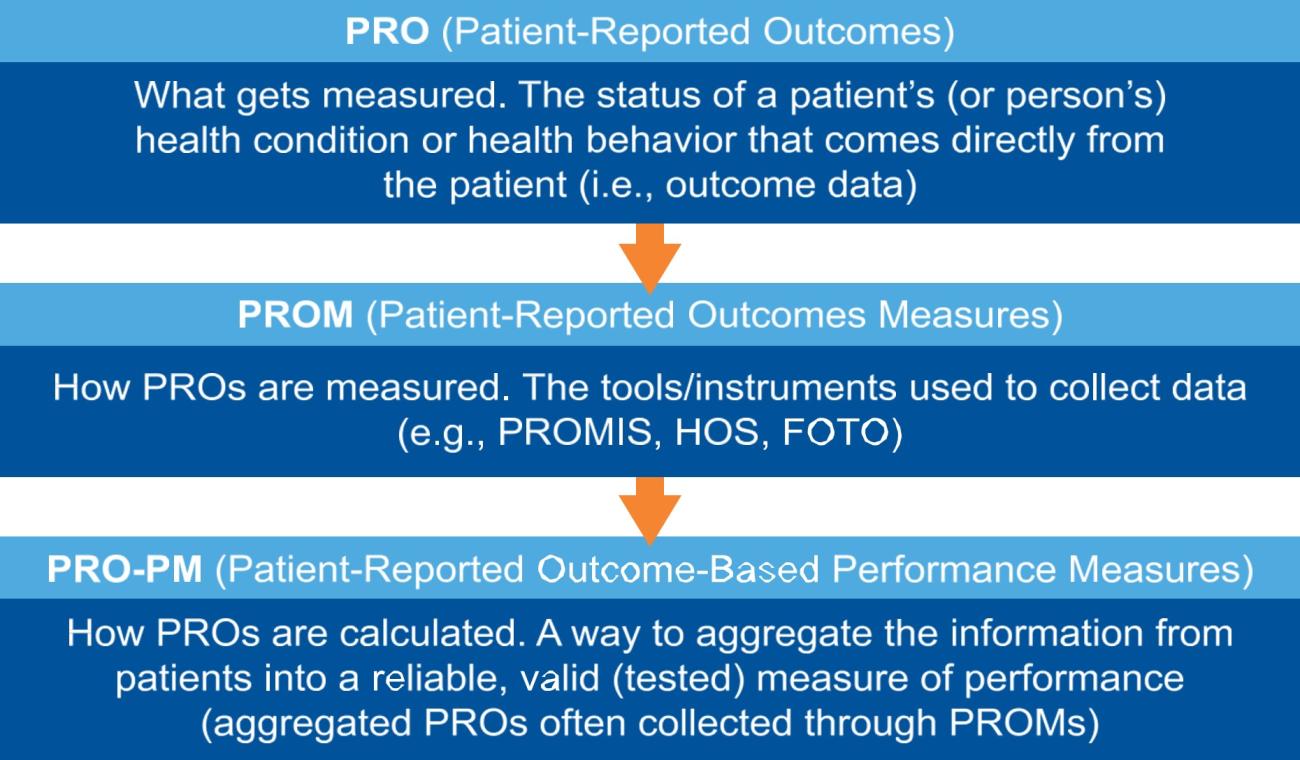
In modern healthcare discussions, distinguishing between a patient-reported outcome and the instrument used to capture it is essential for accurate clinical service evaluation. The outcome itself represents the actual status of a patient’s health condition—such as a reduction in chronic pain or an improvement in physical mobility—reported directly by the individual without amendment by clinicians. Conversely, the measure refers to the standardized questionnaires, surveys, or digital tools administered to record those subjective experiences. Recognizing this difference helps medical teams understand that while the outcome is the ultimate clinical endpoint, the instrument is simply the standardized lens through which that experience is quantified.
1.1.2 Examining the shift from objective clinical markers to subjective patient perception
Traditional healthcare historically relied heavily on objective laboratory values, imaging results, and physiological vital signs to determine treatment success. However, a high-resolution scan or normal blood test does not always equate to a patient feeling well or functioning normally in daily life. This realization has driven a profound paradigm shift across the U.S. health system toward valuing subjective patient perception. By integrating patient-reported outcome measures, providers capture the lived experience of living with a condition, ensuring that treatment plans address not just the disease pathology, but the holistic well-being of the individual.
1.2 Categorization and Selection of Validated Instruments
1.2.1 Comparing generic quality-of-life surveys against disease-specific modules
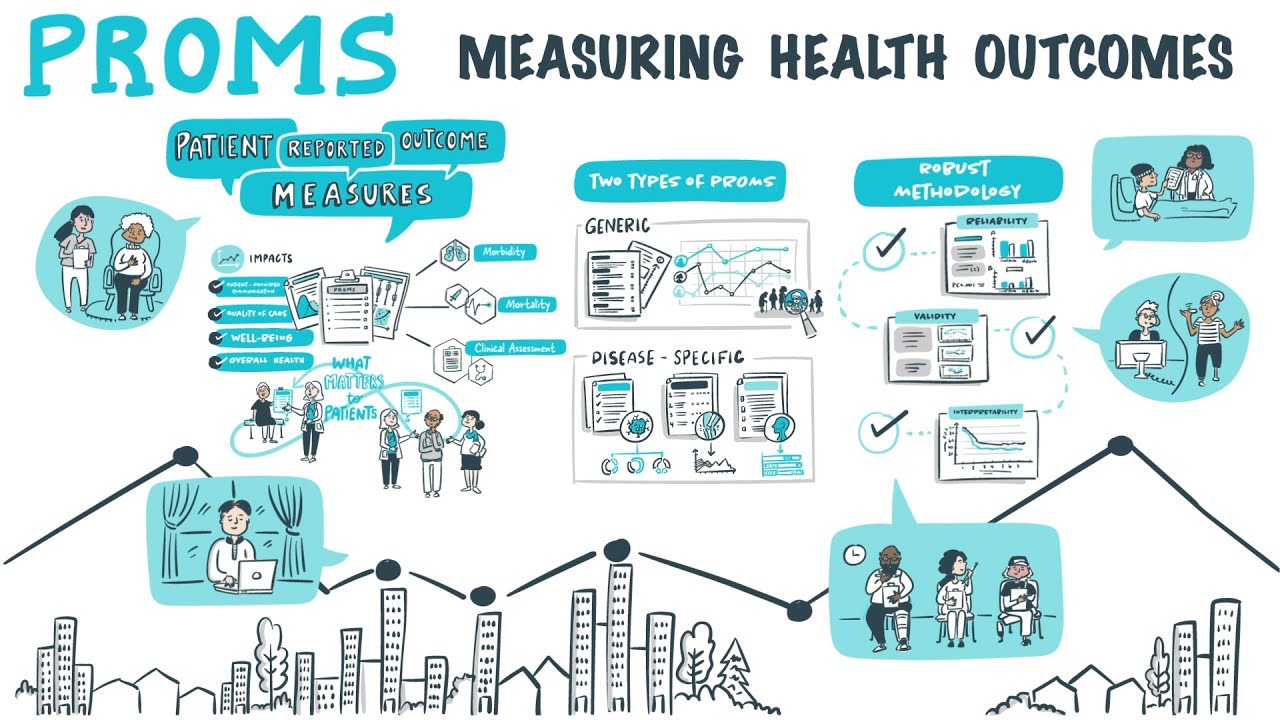
Selecting the right survey instrument depends heavily on the clinical goals of the medical practice. Generic quality-of-life surveys evaluate broad health domains, including mental health, social functioning, and general physical wellbeing, making them ideal for comparing outcomes across entirely different patient populations. In contrast, disease-specific modules focus narrowly on symptoms and functional limitations associated with a single condition, such as rheumatoid arthritis or heart failure. Utilizing both approaches in tandem provides a comprehensive view of how a specific intervention impacts both overall health and targeted symptom management.
1.2.2 Criteria for selecting clinically valid and reliable measurement tools
For any evaluation tool to hold weight in a clinical setting, it must meet rigorous psychometric standards for validity and reliability. Clinicians and administrators look for instruments that consistently produce stable results under similar conditions and accurately measure the specific health construct they intend to evaluate. Furthermore, tools must demonstrate high responsiveness, meaning they can detect meaningful clinical changes over the course of a treatment plan. Ensuring these criteria are met guarantees that the collected data translates into actionable insights for clinical service evaluation.
1.3 Clinical and Strategic Advantages of Implementing PROMs
1.3.1 Improving the physician-patient relationship through structured communication
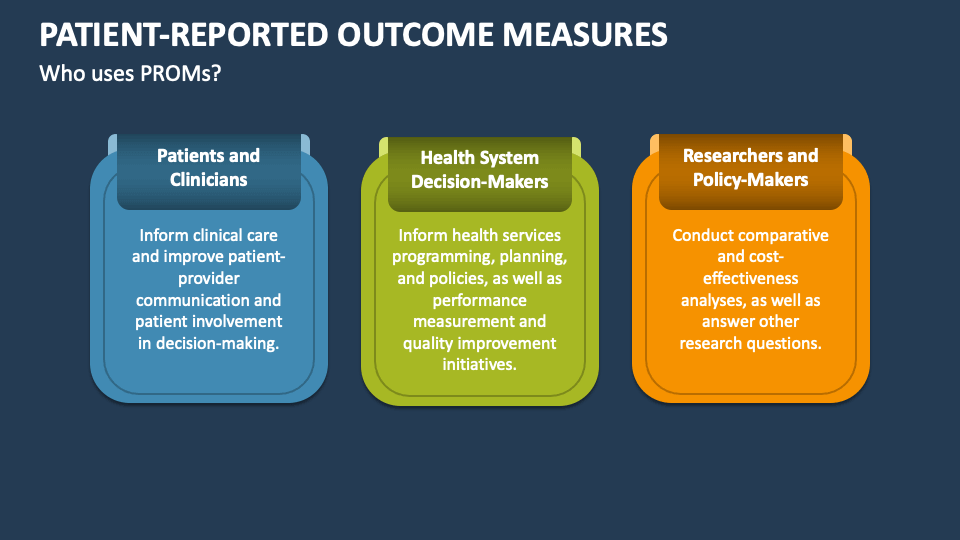
Integrating these reporting tools into routine consultations acts as a powerful catalyst for doctor-patient communication efficacy. When patients complete structured questionnaires prior to seeing their physician, both parties arrive at the appointment with a shared, prioritized agenda. This transparency helps uncover sensitive symptoms or mental health struggles that patients might otherwise forget or hesitate to bring up verbally. Consequently, clinical interactions become more collaborative, empowering patients to take an active role in their ongoing care strategy.
1.3.2 Enhancing longitudinal monitoring of treatment effectiveness and side-effect profiles
Tracking patient data over time allows care teams to monitor longitudinal treatment trajectories with remarkable precision. Instead of relying on retrospective recollections of how a patient felt over the past three months, clinicians review serial data points that map symptom progression and therapeutic response. This continuous feedback loop is especially valuable in identifying subtle medication side effects or early signs of treatment failure, enabling timely interventions before minor complications escalate into major health setbacks.
1.4 The Intersection of PROMs and Value-Based Healthcare Models
1.4.1 How patient data informs quality metrics and insurance reimbursements
As the U.S. healthcare landscape shifts rapidly toward value-based care reimbursement models, the financial viability of medical practices is increasingly tied to demonstrable patient results. Payer organizations and accountable care organizations leverage aggregated patient data to assess medical service quality and determine financial incentives. Practices that systematically collect and demonstrate positive outcomes can secure better reimbursement rates and prove their cost-effectiveness in a competitive market.
1.4.2 Regulatory requirements and accreditation standards in the U.S. health system
Major regulatory bodies and healthcare accreditation agencies now view patient-reported metrics as core indicators of institutional excellence. Hospitals and outpatient centers must demonstrate robust systems for capturing and acting upon patient feedback to maintain compliance and public trust. These standards ensure that patient voices remain at the center of institutional quality improvement initiatives, safeguarding high standards of care across the continuum.
2. Overcoming Operational Challenges and Future Integration Trends
2.1 Addressing Barriers to Data Collection and Patient Compliance
Implementing patient-reported outcome measures successfully across diverse clinical settings requires overcoming significant operational hurdles. Survey fatigue remains a primary obstacle, as patients frequently grow overwhelmed by repetitive questionnaires distributed across multiple visits. Healthcare systems must combat cognitive burden by utilizing adaptive questioning techniques, shortening assessment intervals, and focusing strictly on clinically actionable metrics. Ensuring accessibility and equity across diverse patient demographics is equally vital. Clinics must provide multilingual digital interfaces, large-print physical formats, and accessible design principles to support individuals with varying literacy levels or technological proficiencies. Furthermore, achieving seamless technical solutions for EHR integration and workflow optimization ensures that clinicians can review patient inputs directly within their daily charting environments without disrupting established medical routines. For a deeper look at organizational strategies, review Patient Care Workflow Optimization: Strategies for Excellence.
2.2 The Evolution of Digital Health and Data Analytics
The transition from paper-based surveys to advanced digital health ecosystems has radically transformed how medical providers capture and analyze feedback. Leveraging ePROMs and mobile health applications allows for real-time tracking of symptoms, enabling care teams to monitor chronic conditions remotely and intervene before minor issues escalate into acute emergencies. Behind these collection tools, healthcare networks are utilizing artificial intelligence to derive predictive insights from vast pools of patient data. These analytical models can identify early warning signs of treatment failure, flag adverse drug reactions, and help providers tailor interventions to individual physiological responses, ultimately elevating medical service quality across specialized departments.
2.3 Bridging the Gap Between Data Collection and Patient Advocacy
Collecting data is only valuable if it directly influences care delivery and strengthens the partnership between provider and patient. Bridging the gap between raw metrics and actionable advocacy relies heavily on shared decision-making. When clinicians review patient-reported data collaboratively during consultations, it directly supports doctor-patient communication efficacy, ensuring that treatment plans align closely with personal lifestyle goals and functional expectations. Additionally, progressive health systems establish structured feedback loops, using aggregated outcome scores to refine internal protocols and improve overall clinical service evaluation practices.
2.4 Frequently Asked Questions about PROMs
Navigating the terminology and regulatory landscape surrounding outcome measurement can be complex for both patients and healthcare administrators. Clarifying the nuances between a Patient-Reported Outcome (PRO)—which represents the actual health status or symptom experienced—and a Patient-Reported Outcome Measure (PROM)—the specific questionnaire or instrument used to capture that status—is essential for accurate documentation. When dealing with pediatric populations, cognitive impairments, or severe acute illnesses, clinics must rely on established protocols for proxy-reported outcomes completed by qualified family members or primary caregivers. Finally, as the U.S. health system continues its shift toward value-based reimbursement, understanding the evolving mandate status of these measures by accrediting bodies and federal agencies helps facilities maintain compliance while striving for optimal patient satisfaction ratings.
The integration of patient-reported outcome measures into modern healthcare marks a fundamental shift from traditional, purely clinical metrics toward a truly holistic evaluation of health. By centering the direct experiences, symptoms, and functional capacities of individuals, the medical community can better assess overall medical service quality and drive meaningful improvements across health systems. As digital tools and value-based care models continue to evolve, listening directly to the individual receiving care is no longer optional—it is essential for clinical excellence.
Ultimately, bridging the gap between quantitative clinical data and qualitative human experience empowers both patients and providers to make more informed, collaborative decisions. Whether you are navigating a chronic condition or evaluating a care facility, understanding how your voice shapes treatment pathways can lead to more personalized and effective outcomes. To explore how these frameworks evaluate overall standards and support continuous improvement, read more about clinical service evaluation and discover how healthcare providers are continuously raising the bar for patient-centered excellence.