
Trying to make sense of deductibles, out-of-pocket maximums, and provider networks can feel like learning a second language, especially when you are already dealing with a medical concern. This is where professional health insurance navigation support becomes an invaluable resource for patients and families trying to protect their physical and financial well-being. Whether you are sorting through Marketplace options during an open enrollment period or trying to decipher an unexpected bill, having structured guidance can transform a frustrating administrative hurdle into a manageable process.
In this guide, you will learn how to leverage certified assistance programs, understand the critical differences between brokerage and navigation services, and master the tools needed to advocate for your coverage. By building a clear roadmap for both enrollment and post-enrollment hurdles—including health plan interpretation—you can approach your healthcare journey with confidence, clarity, and peace of mind.
1. Navigating the Complex Landscape of Health Insurance Navigation Support
1.1 Understanding the Role of Professional Health Insurance Navigators
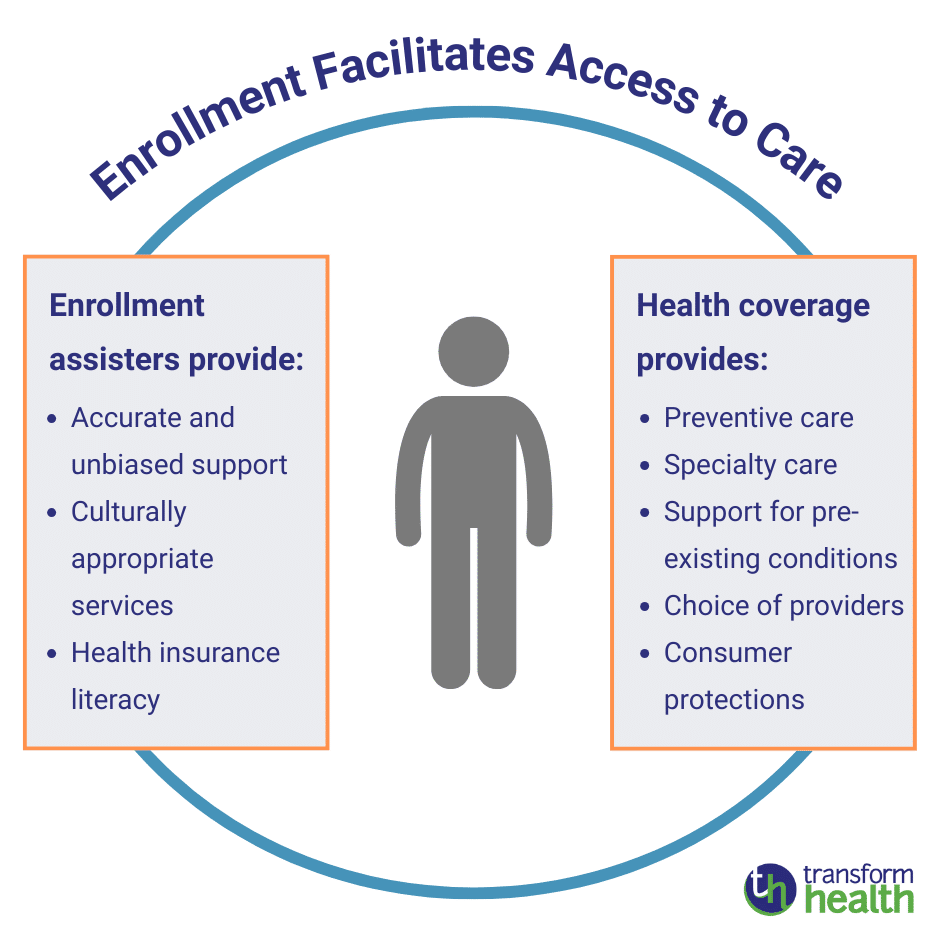
Finding your way through the U.S. healthcare system often feels like translating a foreign language. Professional health insurance navigation support bridges the gap between confusing policy details and actual patient care. Navigators guide individuals through selecting, enrolling in, and utilizing healthcare plans without pushing specific insurance products.
Defining the scope of navigation services versus insurance brokerage
While insurance brokers and agents earn commissions for selling specific plans from particular carriers, certified navigators provide unbiased, consumer-focused assistance. Navigators do not sell insurance or recommend a single brand. Instead, they educate consumers on their options, explain policy terms like deductibles and copays, and help users understand how to manage Health Plan Interpretation: A Guide to Your Coverage to maximize their benefits.
Federal requirements and certification standards for navigators
To ensure high standards of trust and competence, federally funded and state-based navigators must undergo rigorous training programs. They must complete comprehensive federal or state courses covering privacy standards, non-discrimination policies, and the mechanics of the Affordable Care Act (ACA) marketplace. These credentialing rules protect consumers by ensuring that the advice they receive is legally compliant, confidential, and completely objective.
1.2 Eligibility and Access for Various Populations
Assistance programs exist to ensure that everyone, regardless of background or income level, can access affordable healthcare. Knowing where to look and who qualifies streamlines the enrollment process significantly.
Identifying who qualifies for state-sponsored or federally funded assistance
Most individuals and families with household incomes between 100% and 400% of the federal poverty level qualify for financial assistance, such as advanced premium tax credits through the health insurance marketplace. Additionally, low-income adults, children, pregnant individuals, and people with disabilities often qualify for state-sponsored Medicaid or the Children’s Health Insurance Program (CHIP).
Locating certified navigators in your specific geographic area
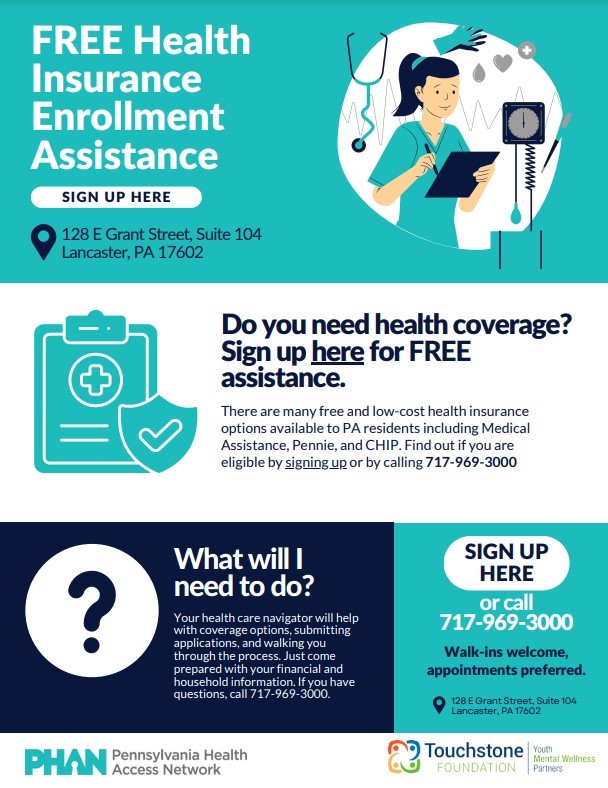
Finding local help is straightforward once you know the official portals. Consumers can visit official federal websites to search for certified application counselors and navigators by zip code. Community health centers, local libraries, and social service agencies also frequently host on-site navigators who offer free, face-to-face consultations.
1.3 Essential Preparation for Your First Consultation
A successful navigation session relies heavily on proper preparation. Having your paperwork organized ensures that your navigator can accurately assess your options during the first meeting.
Gathering necessary income documentation and household information
To determine your eligibility for subsidies or free programs, your navigator will need a clear financial picture. Bring recent pay stubs, your most recent federal tax return, W-2 forms, and records of any other household income such as unemployment or social security benefits. You will also need Social Security numbers and birth dates for everyone in your tax household.
Defining your personal healthcare priorities and budget constraints
Beyond paperwork, take time to write down your family’s specific medical needs. List any regular prescription medications you take, preferred doctors, and anticipated medical procedures for the upcoming year. Balancing these clinical needs with your monthly premium budget allows your navigator to help you weigh options effectively, ensuring you select a plan that protects both your health and your financial well-being.
2. Mastering Post-Enrollment Health Insurance Navigation Support

2.1 Maximizing Your Health Plan Benefits and Provider Networks
Successfully managing your policy after the enrollment period closes is essential for avoiding unexpected healthcare costs. To truly master your coverage, start by thoroughly interpreting your Explanation of Benefits (EOB) and Summary of Benefits documents. The EOB details how a specific medical claim was processed, breaking down what your insurer paid, what discounts were applied, and what you owe out of pocket. Meanwhile, your Summary of Benefits acts as a foundational health plan interpretation guide that outlines your copayments, coinsurance rates, and annual deductibles.
Another critical strategy for keeping your out-of-pocket expenses manageable is staying strictly within your insurer’s designated provider network. Out-of-network providers can bill you for the difference between their charged fee and what your insurance allows, often resulting in surprise medical bills. Always verify a doctor’s network status directly with your insurer before scheduling appointments. Additionally, be sure to leverage preventative care services—such as annual physicals, routine vaccinations, and standard cancer screenings—which the Affordable Care Act generally requires insurers to cover at no additional cost when delivered by in-network clinicians.
2.2 Resolving Claims, Billing Disputes, and Coverage Changes
Even with careful planning, policyholders frequently encounter administrative hurdles like unexpected claim denials or billing discrepancies. When facing a denied insurance claim, the first step is to review your EOB to identify the specific denial code and reason. Gathering thorough documentation, including clinical notes and provider statements, is vital. Many patients utilize professional patient advocacy services or specialized medical record review services to ensure their paperwork meets strict insurance criteria before moving forward.
If an informal resolution fails, you have the right to navigate the formal appeals process for medical services. This multi-tiered system allows you to request an internal review by your insurance company, followed by an independent external review if the initial decision is upheld. Beyond claims management, life changes such as marriage, the birth of a child, or the loss of a job can trigger Special Enrollment Periods, allowing you to modify your coverage outside the standard window. Transitioning between coverage types, such as moving from Medicaid to an ACA Marketplace plan, requires prompt attention to deadlines to prevent any dangerous gaps in your medical protection.
Navigating the complexities of healthcare coverage can often feel overwhelming, but securing the right health insurance navigation support transforms an intimidating administrative burden into a manageable process. By understanding how to leverage certified professionals, accurately interpret your policy documents, and utilize effective medical insurance claim optimization advice, you can protect both your physical well-being and your financial security. Staying proactive—whether you are enrolling in a new plan, managing preventative care, or resolving a sudden billing dispute—ensures that you remain firmly in control of your healthcare journey.
Ultimately, informed patients make the best decisions for their long-term health outcomes. To deepen your understanding of how to evaluate and improve your overall healthcare experience, explore our guide on Health Plan Interpretation: A Guide to Your Coverage. By taking advantage of available resources and expert guidance, you can navigate the U.S. healthcare system with confidence and peace of mind.