
Navigating the complexities of the American healthcare system often feels like learning a foreign language. Between dense policy documents, confusing medical bills, and varying provider networks, many individuals struggle to understand exactly what their coverage entails. Effective health plan interpretation is not just about avoiding surprise costs; it is a critical skill for health literacy and patient empowerment that ensures you receive the right care at the right time. When you fully grasp the nuances of your policy, you can make informed decisions about your medical care, from choosing a specialist to deciding whether a situation requires an emergency room visit or a quick trip to urgent care.
In this guide, we will break down the essential components of your insurance policy, helping you translate industry jargon into clear, actionable information. By mastering these details, you can take control of your evidence-based medical navigation and advocate for yourself more effectively. Whether you are reviewing your summary of benefits, auditing a claim, or preparing for an upcoming medical procedure, the insights provided here will help you confidently manage your coverage and prioritize your long-term wellness.
1. Mastering Health Plan Interpretation and Essential Insurance Terminology
Navigating the complexities of modern healthcare begins with effective health plan interpretation. Without a clear grasp of your insurance structure, you may face unnecessary costs or barriers to accessing care. Understanding these mechanisms is a core component of health literacy and patient empowerment, allowing you to move beyond confusion and take control of your medical journey.
1.1 Deciphering Your Insurance Documents and ID Card Details
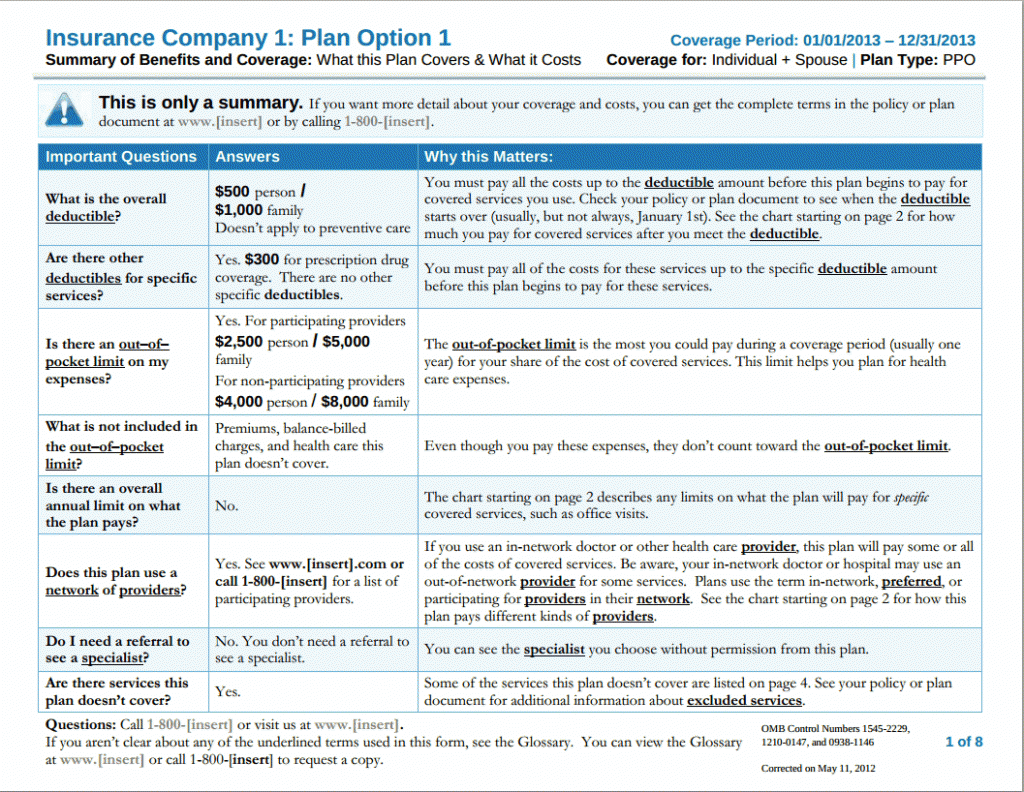
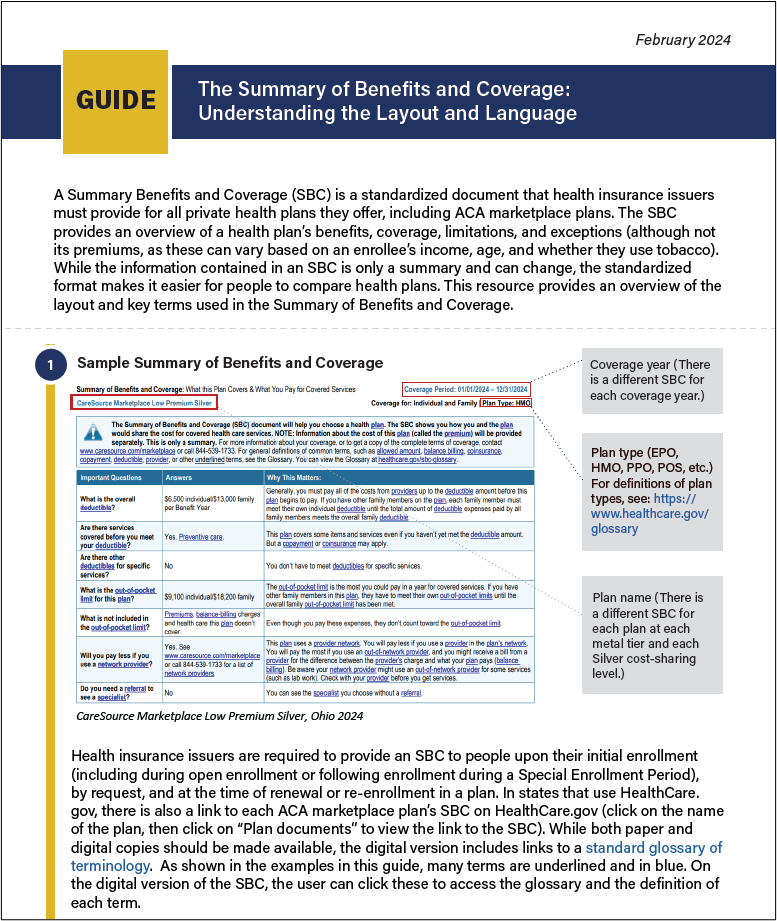
Your health insurance ID card and Summary of Benefits and Coverage (SBC) serve as the foundation of your policy. Learning how to extract actionable data from these documents simplifies your interactions with medical staff and billing departments.
1.1.1 Locating and Analyzing the Summary of Benefits and Coverage
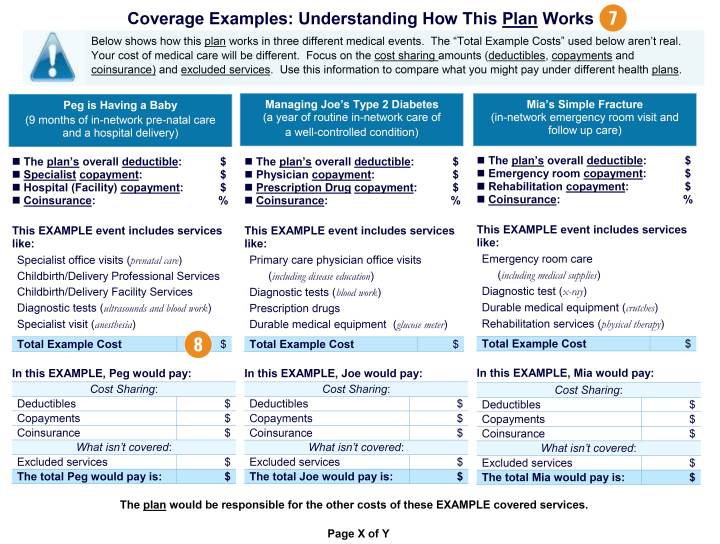
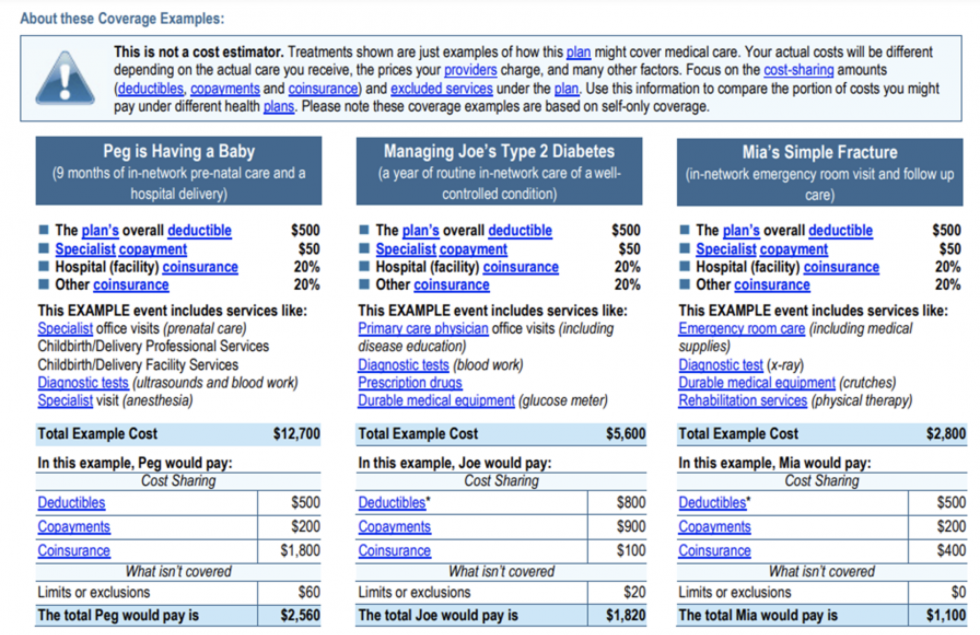
The Summary of Benefits and Coverage is a standardized document that insurers must provide to help you compare plans. It outlines what your plan covers and your share of the costs. Key sections to review include coverage examples, such as how the plan handles a normal delivery or the management of a chronic condition, which provides a realistic look at your potential financial responsibility.
1.1.2 Breaking Down Group Numbers and Member Identification
Your member ID is unique to you, while the group number identifies your specific employer or plan sponsor’s policy. Providing these numbers accurately during registration is critical for real-time verification of your eligibility and benefits. Always ensure these codes match your most recent card, as plan changes during open enrollment can render old information obsolete.
1.1.3 Identifying Copay and Network Information on Physical Cards
Most ID cards feature abbreviated codes for common services, such as “PCP” for primary care physician or “ER” for emergency room, accompanied by specific dollar amounts. Recognizing these symbols quickly allows you to perform basic medical triage guidance by understanding the immediate cost implications of choosing an urgent care facility over an emergency room.
1.2 Understanding Core Financial Components of Your Coverage
Medical billing can feel overwhelming, but it is driven by a few predictable financial levers. Mastering these definitions is essential for proactive patient health record management and overall fiscal planning.
1.2.1 Distinguishing Between Premiums and Deductibles
A premium is the fixed amount you pay to keep your insurance policy active, regardless of whether you access care. In contrast, a deductible is the initial amount you must pay out-of-pocket for medical services each year before your insurance company begins to share the costs. Understanding this distinction helps you determine if a high-premium, low-deductible plan fits your health needs better than a high-deductible option.
1.2.2 Calculating Cost-Sharing: Copayments versus Coinsurance
After you meet your deductible, cost-sharing begins. A copayment is a flat fee, such as 20 dollars for a doctor’s visit, whereas coinsurance is a percentage of the total allowed amount for a service. Understanding how these apply to diagnostic testing is vital, especially when interpreting your biometric health data interpretation and screening results.
1.2.3 Leveraging Out-of-Pocket Maximums as Financial Protection
The out-of-pocket maximum is the absolute cap on what you will pay for covered services in a single plan year. Once you reach this limit, your insurance covers 100 percent of allowed charges. Monitoring this threshold is critical for patients with chronic needs, as it provides a predictable ceiling for your annual medical budget.
1.3 Navigating Provider Networks and Billing Structures
Knowing your plan type determines not only your cost but also your freedom to choose where you receive care.
1.3.1 Explaining In-Network versus Out-of-Network Limitations
In-network providers have contracted with your insurance to accept lower, negotiated rates. Going out-of-network usually results in significantly higher costs or no coverage at all. Prioritizing in-network providers ensures that your health plan’s protections remain fully intact.
1.3.2 Addressing the Risks of Balance Billing and Surprise Medical Bills
Balance billing occurs when a provider bills you for the difference between their full charge and the insurance-allowed amount. Thanks to recent federal protections like the No Surprises Act, patients are largely shielded from unexpected balance bills for emergency services or out-of-network care at in-network facilities. Understanding your rights here is a critical aspect of being an informed healthcare consumer.
1.3.3 Comparing HMO, PPO, EPO, and POS Plan Structures
- HMO (Health Maintenance Organization): Generally requires you to use in-network doctors and get referrals for specialists.
- PPO (Preferred Provider Organization): Offers more flexibility to see out-of-network providers, though at a higher cost.
- EPO (Exclusive Provider Organization): Limits coverage to in-network providers but typically does not require referrals.
- POS (Point of Service): A hybrid that allows some out-of-network access, often with the requirement of a primary care referral.
2. Strategic Management and Practical Application of Your Health Plan
2.1 Evaluating Claims and Administrative Requirements
2.1.1 Reading Your Explanation of Benefits Without Confusing It for a Bill
One of the most common points of confusion in health plan interpretation is the Explanation of Benefits (EOB). It is important to remember that an EOB is not a bill. It is a document sent by your insurance provider detailing what services were covered, the amount the provider charged, the amount the insurance company paid, and your remaining financial responsibility. If you receive a statement that says “This is not a bill,” treat it as an informational summary to verify that the services listed match the care you actually received.
2.1.2 Auditing Line-Item Charges Against the Allowed Amount
When reviewing your EOB, compare the line-item charges against the “allowed amount”—the maximum payment that an insurance plan will allow for a covered health service. By auditing these figures, you ensure that you are not being overcharged. If you notice discrepancies, such as billing codes for procedures you did not undergo, contact your insurer immediately. Effective evidence-based medical navigation starts with consistently auditing these documents to ensure your financial health remains as protected as your physical health.
2.1.3 Navigating Prior Authorization and Medical Necessity Documentation
Some treatments or diagnostic tests require prior authorization, meaning your doctor must obtain approval from your insurer before the service is provided to guarantee coverage. Understanding this process is vital for proactive patient health record management. Always confirm if your specialist has secured the necessary paperwork. If a claim is denied due to lack of medical necessity, work closely with your physician to gather the clinical data required to challenge the decision.
2.2 Proactive Steps for Optimizing Healthcare Access and Costs
2.2.1 Verifying Provider Network Status Before Scheduling Appointments
To avoid unexpected costs, always verify that your provider is in-network before your visit. A facility may be in your network, but an individual physician or anesthesiologist within that facility might not be. Confirm the network status by calling the member services number on your insurance card or checking the insurer’s online portal.
2.2.2 Utilizing Drug Formularies for Prescription Cost Management
Insurance plans often use a drug formulary—a list of preferred medications—to manage costs. Drugs are typically tiered; lower tiers (often generics) cost less than higher-tier, brand-name drugs. Before filling a prescription, check your plan’s formulary to see if a less expensive, therapeutically equivalent medication is available.
2.2.3 Maximizing Preventive Care Benefits under the Affordable Care Act
Under the Affordable Care Act, many preventive services, such as annual wellness visits, certain screenings, and vaccinations, are covered at 100% when delivered by in-network providers. Prioritizing these visits not only supports your long-term health but also serves as a critical component of health literacy and patient empowerment by utilizing services you have already paid for through your premiums.
2.3 Resolving Conflicts and Managing Policy Changes
2.3.1 Step-by-Step Procedures for Appealing a Denied Insurance Claim
If a claim is denied, you have the right to appeal. Start by reviewing the EOB to understand the specific reason for the denial. Then, request a detailed statement of medical necessity from your doctor and submit a formal written appeal to your insurer within the timeframe specified in your policy documents. Keep copies of all correspondence.
2.3.2 Documenting Communication for Effective Insurance Advocacy
Always maintain a detailed log of your interactions with your insurance company, including the date, time, name of the representative, and a summary of what was discussed. Having a paper trail is essential if you need to escalate a dispute or prove that you followed plan instructions correctly.
2.3.3 Adapting Your Coverage Strategy Following Major Life Events
Life events such as marriage, the birth of a child, or a change in employment often qualify you for a Special Enrollment Period. If your circumstances change, re-evaluate your biometric health data interpretation needs and household budget to determine if your current plan still provides the coverage you require.
2.3.4 Preparing for Annual Open Enrollment and Plan Comparisons
Open enrollment is your opportunity to audit your past year’s medical triage guidance and healthcare usage. Compare your current plan’s premiums, deductibles, and network breadth against other options to ensure your coverage aligns with your anticipated health needs for the coming year.
Mastering health plan interpretation is more than just a logistical necessity; it is a fundamental pillar of patient empowerment. By taking the time to understand the nuances of your coverage—from identifying your specific network type to deciphering the fine print on your Explanation of Benefits—you transition from a passive recipient of care to an active manager of your own wellness. Proactive management of your insurance documents not only protects your financial health but also ensures that you receive the most appropriate care without the stress of unexpected billing surprises.
Remember that you do not have to navigate this complex landscape alone. If you are feeling overwhelmed by your current medical coverage or need clarity on how your plan aligns with your long-term wellness goals, seeking personalized health guidance can provide the framework you need to make informed decisions. As you move forward, keep your documentation organized, advocate for your needs during the claims process, and never hesitate to contact your provider’s member services department for clarification. Your health is your most valuable asset, and understanding the tools available to support it is the best investment you can make in your future.