

In our fast-paced world, healthcare is often reduced to reactive, symptom-driven visits—scheduling an appointment only when something feels wrong. However, shifting your focus toward a proactive preventive health consultation is one of the most effective ways to safeguard your long-term well-being. By engaging in these thoughtful, scheduled discussions with your physician, you gain the opportunity to catch potential concerns before they evolve into chronic issues. Rather than waiting for a diagnosis, a wellness appointment allows you to establish a partnership built on data, history, and foresight.
In this guide, we will explore how to transition from reactive care to a sustainable, data-driven approach to your health. You will learn how to prepare for your next visit, make sense of complex metrics, and integrate personalized health guidance into your daily routine. Whether you are looking to optimize your current habits or establish a comprehensive medical baseline, this roadmap will help you navigate your wellness journey with confidence and clarity.
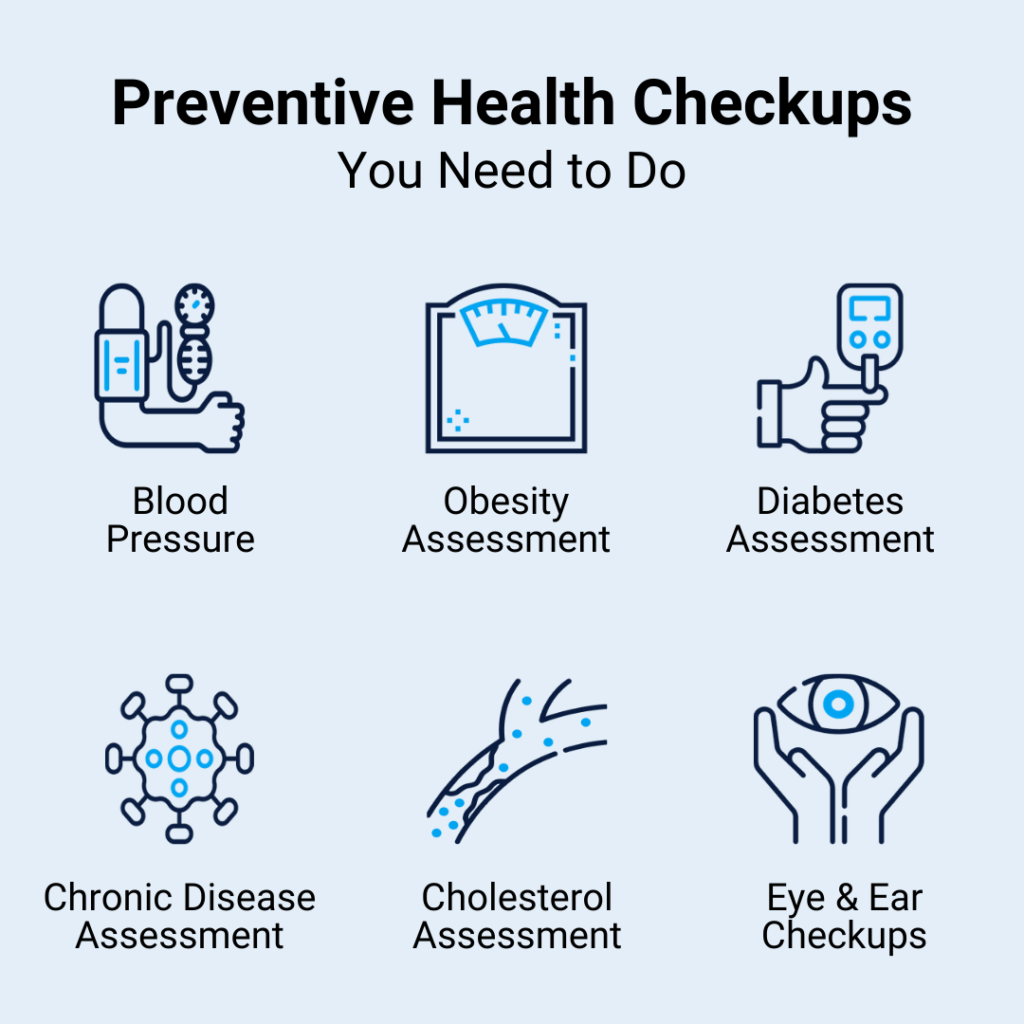
1. Understanding the Role of a Preventive Health Consultation in Long-Term Wellness
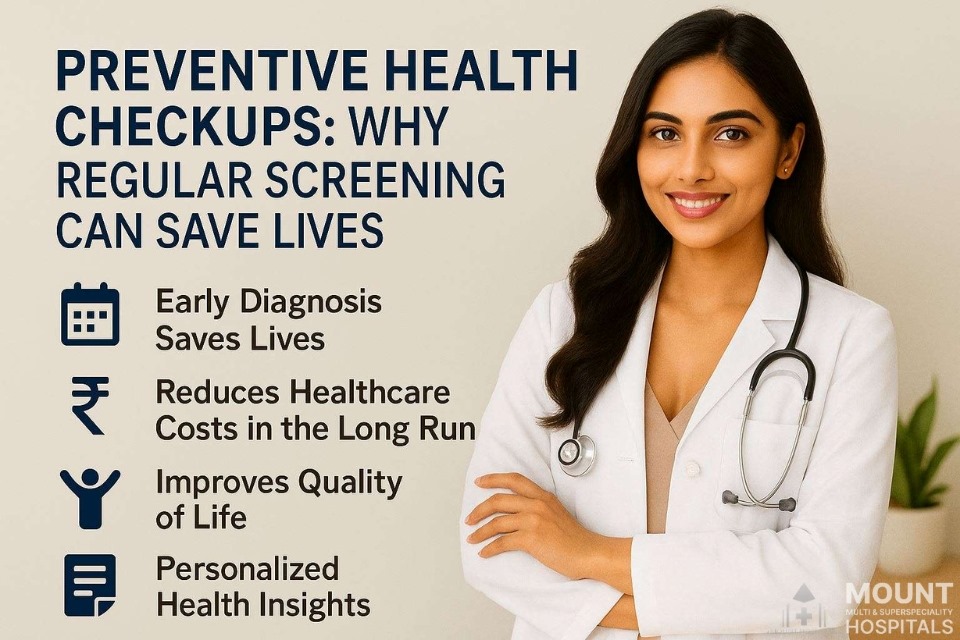
1.1 Defining Preventive Care Versus Reactive Sick Visits
1.1.1 Shifting the Healthcare Mindset from Treatment to Prevention
Modern healthcare is moving away from a strictly reactive model, where a doctor only intervenes when a patient is already ill. Instead, the focus is shifting toward proactive health management. A preventive health consultation is the cornerstone of this philosophy, allowing you to partner with your physician to identify potential health risks before they develop into chronic conditions. By addressing markers like blood pressure, lipid profiles, and early indicators of metabolic dysfunction, you can transition from simply treating symptoms to actively preserving your long-term vitality.
1.1.2 Understanding the Baseline: The Importance of Establishing Health Metrics
To measure future progress, you must first know where you stand. Establishing a baseline involves gathering objective data through routine lab work and physical assessments. This process of biometric health data interpretation allows your care team to understand your unique physiology. By documenting these numbers early—such as your resting heart rate, glucose levels, and body composition—you and your provider can spot subtle changes over time. These trends serve as a roadmap, helping you make informed decisions about your diet, physical activity, and stress management long before an urgent medical issue arises.
1.2 Navigating the Types of Wellness Appointments
1.2.1 Annual Wellness Visits Versus Standard Physical Exams
It is common to confuse an annual physical with an Annual Wellness Visit (AWV), but they serve different purposes. A standard physical exam is often a hands-on head-to-toe assessment, typically involving a physical touchpoint for diagnostic purposes. In contrast, an AWV is a structured conversation dedicated to your health history, risk factors, and the creation of a personalized health guidance plan. Understanding which appointment you are booking ensures that you and your provider have the appropriate time set aside for your specific goals.
1.2.2 Clarifying Distinctions Between Routine Screenings and Symptom-Driven Diagnostics
A health screening consultation is intended for asymptomatic individuals to catch conditions early, such as screenings for cholesterol, blood sugar, or certain cancers. Conversely, symptom-driven diagnostics are initiated when you report a specific concern, such as unexplained fatigue or persistent pain. Distinguishing between the two is vital for both insurance coding and clinical focus. Keeping these categories separate helps prevent the diluting of your preventive strategy with acute symptom management.
1.3 Maximizing Insurance Benefits and Coverage
1.3.1 Understanding the Affordable Care Act and Preventive Services
Under the Affordable Care Act, many private insurance plans are required to cover specific preventive services without charging a copay, coinsurance, or deductible. These typically include immunizations, blood pressure screenings, and certain cancer screenings. Because coverage details vary by plan and provider, it is essential to verify your benefits before your appointment to avoid unexpected costs for standard wellness procedures.
1.3.2 Identifying Potential Out-of-Pocket Costs for Diagnostic Follow-ups
While the initial preventive consultation is often fully covered, the lines can blur when a screening leads to a diagnostic follow-up. For instance, if your doctor orders extra tests to investigate an abnormal finding from a routine screen, those secondary tests may be billed as diagnostic services rather than preventive care. Being proactive and asking about potential costs for follow-up testing ensures you can manage your healthcare budget while staying committed to your long-term wellness journey.
2. Optimizing Your Preventive Health Consultation Through Targeted Planning and Execution

2.1 Creating a Roadmap for Your Appointment
A successful preventive health consultation is rarely the result of chance; it is the product of careful preparation. By arriving at your appointment with a clear understanding of your health history and specific wellness goals, you allow your physician to move beyond basic checklists and focus on your unique needs.
2.1.1 Documenting Personal and Family Medical History
Before your visit, draft a summary of your medical history, including past surgeries, chronic conditions, and significant health events. Equally important is a detailed record of your family history, specifically focusing on first-degree relatives. Identifying patterns of heart disease, cancer, or metabolic disorders in your family tree provides the context necessary for your doctor to recommend appropriate screenings earlier than standard guidelines might suggest.
2.1.2 Compiling an Accurate Medication and Supplement List
Many patients overlook the impact of over-the-counter supplements, vitamins, and herbal remedies. Create an exhaustive list that includes dosages and frequency for every substance you consume. This documentation is vital for biometric health data interpretation, as certain supplements can interfere with lab results or interact with prescribed medications, potentially clouding your true health profile.
2.1.3 Strategic Goal Setting for Lifestyle, Nutrition, and Mental Health
Move beyond clinical metrics by identifying what you hope to achieve. Whether you are aiming to improve your sleep hygiene, manage stress, or refine your nutritional intake, articulate these goals to your provider. This collaborative approach transitions the meeting into a session for personalized health guidance, ensuring the advice you receive is actionable and fits your daily reality.
2.2 A Lifecycle Approach to Essential Health Screenings
Preventive care is not static; it evolves as you age. Understanding which milestones to monitor helps you stay ahead of potential issues before they manifest as chronic conditions.
2.2.1 Pediatric and Adolescent Milestones and Mental Health Monitoring
Early check-ups focus on growth trajectories, developmental milestones, and immunization schedules. As children transition into adolescence, the scope expands to include mental health screenings and discussions about healthy behavioral patterns that set the stage for long-term well-being.
2.2.2 Young Adulthood: Establishing Metabolic and Cardiovascular Baselines
In your 20s and 30s, the focus shifts toward establishing a baseline. This is the optimal time to track your blood pressure, cholesterol levels, and fasting glucose. Having these numbers early acts as a historical reference point, making it easier for your medical team to detect subtle, concerning shifts in your health later in life.
2.2.3 Middle Age: Targeted Cancer Screenings and Chronic Disease Mitigation
As you enter your 40s and 50s, the focus intensifies on early detection. This phase often involves age-appropriate cancer screenings, such as colonoscopies or mammograms. These tests are essential components of a robust health screening consultation designed to catch anomalies when they are most treatable.
2.2.4 Senior Wellness: Cognitive Assessment, Mobility, and Polypharmacy Management
For seniors, the priority becomes maintaining functional independence. Consultations should focus on cognitive function, bone density, fall risk, and a thorough review of all medications—known as polypharmacy management—to ensure that your treatment plan remains safe and effective as your body changes.
2.3 Interpreting Results and Integrating Lifestyle Changes
The value of your consultation is realized when clinical findings are converted into daily habits. You can learn more about crafting a sustainable wellness strategy by visiting our wellness strategy development guide.
2.3.1 Translating Clinical Numbers into Actionable Health Insights
Lab results can be intimidating, but they are simply tools for improvement. Ask your provider to explain what your numbers mean in the context of your overall health. For example, rather than just noting high blood pressure, discuss the specific dietary or activity adjustments that can help bring those numbers into a healthier range.
2.3.2 Utilizing Patient Portals to Track Longitudinal Health Trends
Most clinics offer patient portals that house your historical lab results. Regularly reviewing these trends over several years allows you to see how your lifestyle choices, such as increased exercise or dietary modifications, impact your health outcomes over time.
2.3.3 When to Pursue Secondary Consultations for Abnormal Findings
If a screening reveals an abnormal finding, do not hesitate to seek a second opinion or a referral to a specialist. Taking an active role in your medical advocacy ensures you have complete confidence in your diagnosis and the resulting treatment plan.
2.4 Frequently Asked Questions
2.4.1 Frequency Recommendations for Comprehensive Physical Exams
While the “annual physical” is a cultural staple, the frequency of your visits should be tailored to your age, underlying health conditions, and risk factors. Discuss a schedule with your provider that balances necessary oversight with your personal health needs.
2.4.2 Criteria for Selecting the Right Primary Care Provider
Choose a practitioner who views you as a partner. Look for someone who is willing to listen, explains medical concepts clearly, and supports a preventive philosophy rather than a purely reactive approach to care.
2.4.3 Navigating Communication Barriers with Your Physician
If you feel rushed or misunderstood, be direct. Prepare your top three questions in writing before the visit to ensure the most critical topics are addressed during the limited time of your consultation.
Ultimately, a preventive health consultation is more than just a routine check-up; it is a proactive investment in your future well-being. By shifting your focus from reactive symptom management to a strategy rooted in personalized health guidance, you gain the clarity needed to make informed decisions about your body. Whether you are establishing a new baseline, tracking long-term trends through biometric health data interpretation, or integrating lifestyle medicine coaching into your daily routine, the goal remains the same: to catch potential concerns before they become significant health challenges.
Remember that your health journey is ongoing. Use your patient portal to monitor progress, keep your medical history updated, and do not hesitate to advocate for yourself during every interaction with your healthcare team. If you are looking for more comprehensive resources on how to structure your long-term health objectives, you can explore our Preventive Wellness Roadmap for further actionable advice. Taking these small, consistent steps today ensures you are not just living longer, but living better.