
Navigating the healthcare system can often feel overwhelming, especially when you are trying to ensure that you or your loved ones receive the best possible care. Understanding medical service quality is not just about clinical outcomes; it is about evaluating the entire experience, from the efficiency of scheduling to the empathy shown by your providers. As a patient, you play a vital role in your own health journey, and learning how to objectively assess the standard of a medical facility is a powerful way to advocate for yourself.
In this guide, we will break down the essential components that define high-quality healthcare, ranging from evidence-based clinical practices to the human-centric aspects of treatment. By learning how to interpret patient satisfaction ratings and utilize transparency metrics, you will be better equipped to make informed decisions. Whether you are choosing a new primary care provider or evaluating a specialized center, this roadmap will help you navigate the complexities of modern medical services with confidence.
1. Understanding the Core Dimensions of Medical Service Quality
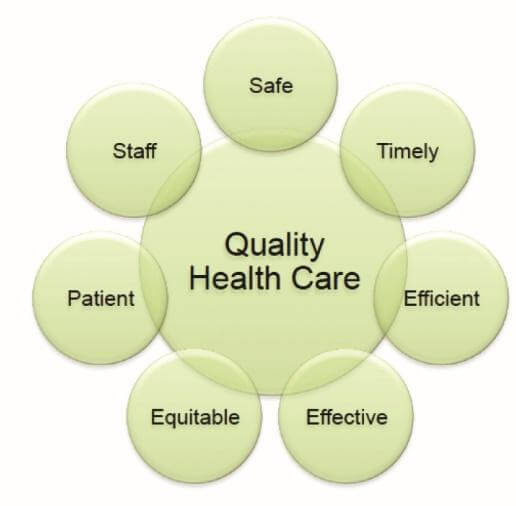
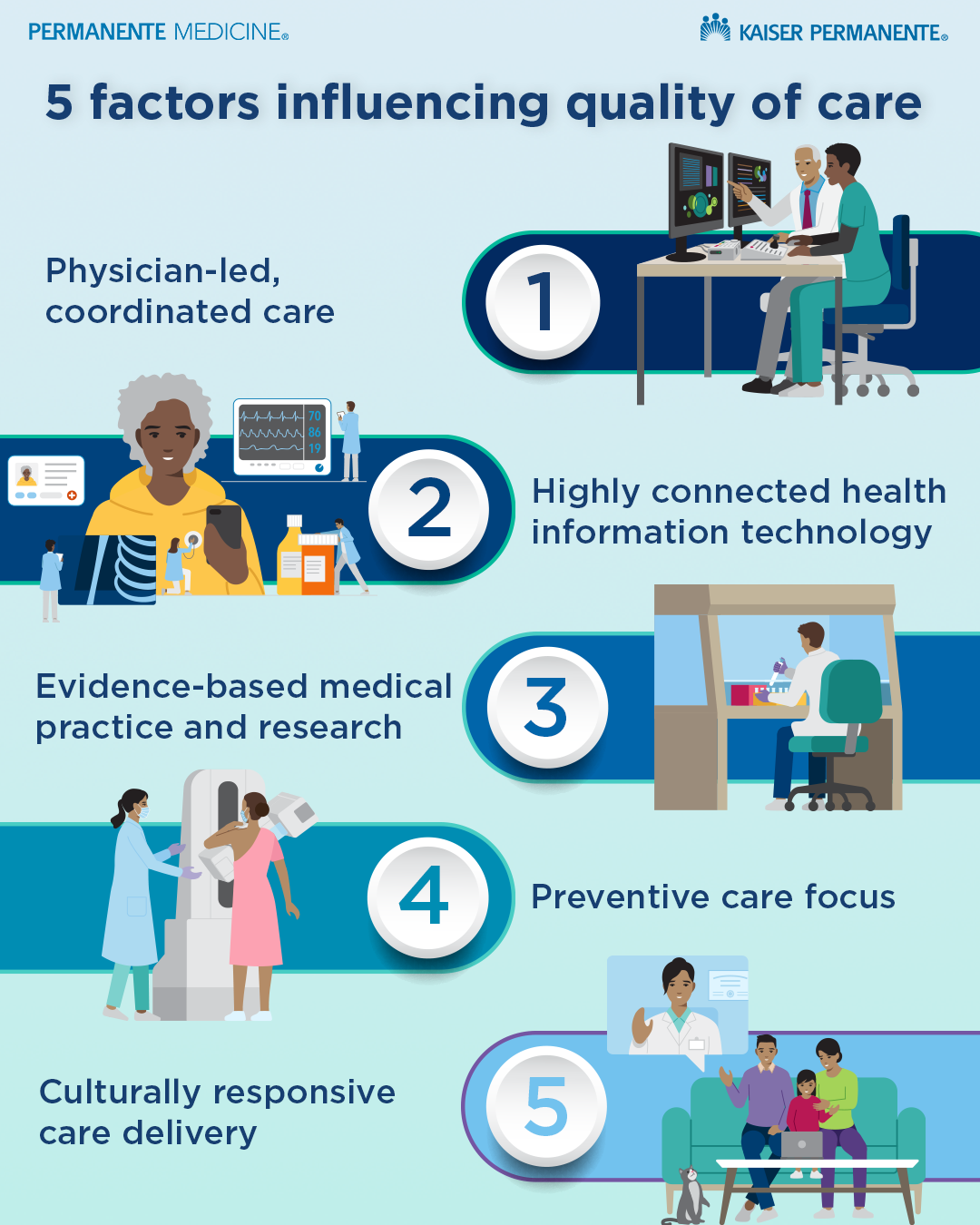
Evaluating medical service quality requires looking beyond a facility’s appearance or a doctor’s reputation. To truly gauge the standard of care you are receiving, it is essential to understand the multifaceted framework that defines healthcare excellence. High-quality medical services are built upon a foundation of clinical precision, systemic safety, and an unwavering focus on the patient’s individual needs.
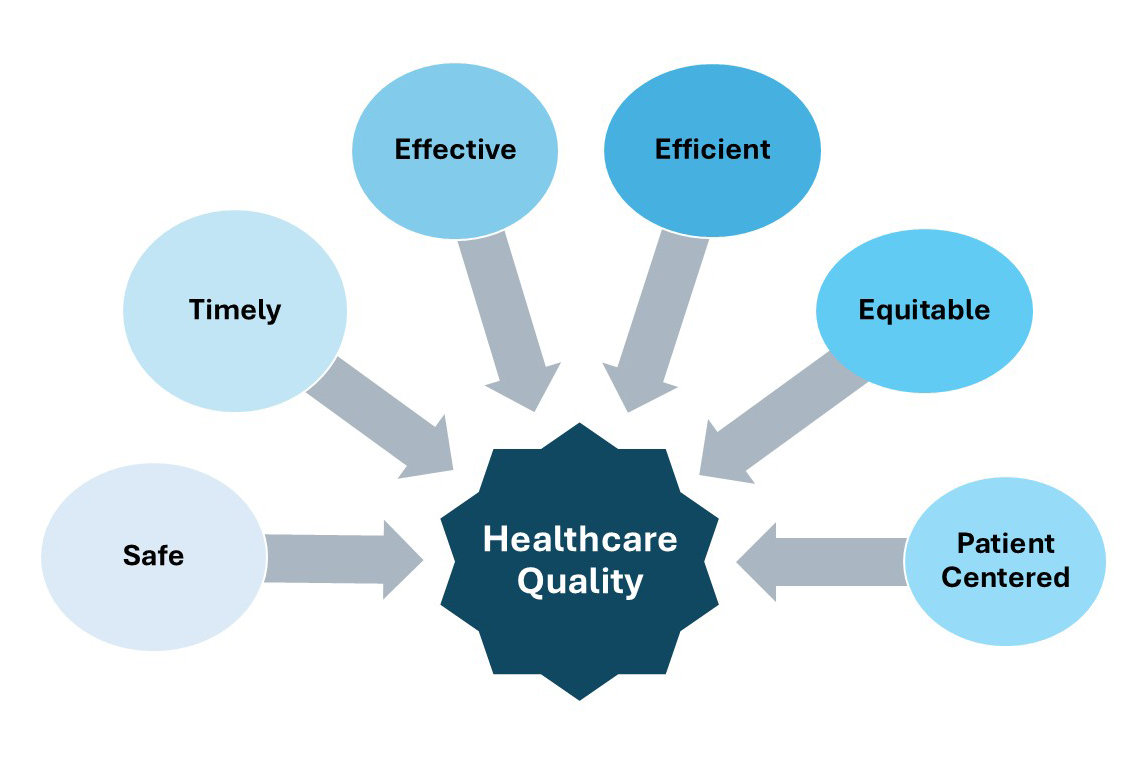
1.1 The Six Global Pillars of Healthcare Excellence
1.1.1 Clinical Effectiveness and Evidence-Based Practice
At the heart of quality care is clinical effectiveness. This pillar ensures that treatments are based on the latest scientific research and proven medical outcomes rather than outdated practices. Providers who prioritize evidence-based medicine consistently review current guidelines to ensure your care plan is both safe and effective.
1.1.2 Patient Safety and Risk Mitigation Strategies
Safety is the baseline of medical service quality. High-performing facilities implement rigorous risk mitigation strategies, such as strict hand-hygiene protocols, standardized surgical checklists, and advanced systems to prevent medication errors. A commitment to transparency regarding these safety protocols is a hallmark of a trustworthy provider.
1.1.3 Ensuring Timeliness and Reducing Care Delays
Waiting time metrics and scheduling efficiency are critical to your health outcomes. Delays in diagnosis or treatment can exacerbate medical conditions, making it vital to choose facilities that prioritize streamlined workflows. You can learn more about how these operational factors influence your overall health journey through our patient care workflow optimization strategies.
1.1.4 Patient-Centered Approaches and Personalized Care
Quality healthcare treats the person, not just the diagnosis. This involves honoring your preferences, values, and cultural needs. When a provider actively listens to your concerns and includes you in the decision-making process, the quality of your care significantly improves.
1.1.5 Operational Efficiency and Resource Stewardship
Operational efficiency ensures that resources, from diagnostic equipment to nursing staff, are used wisely. A clinic that manages its resources well is typically better equipped to provide consistent, high-quality support without unnecessary waste or administrative bottlenecks.
1.1.6 Equity and Eliminating Bias in Healthcare Delivery
Equity is a vital dimension of excellence. It ensures that every patient, regardless of their background, receives the same high standard of care. Identifying clinics that demonstrate a commitment to inclusive practices is essential for ensuring your health needs are met without bias.
1.2 Standardized Frameworks for Measuring Medical Service Quality
1.2.1 Utilizing the SERVQUAL Model for Patient Perception
The SERVQUAL model is a tool often used to measure the gap between what you expect from a healthcare provider and what you actually experience. It evaluates quality across five dimensions: reliability, assurance, tangibles, empathy, and responsiveness.
1.2.2 Interpreting HCAHPS Data and National Benchmarks
When assessing a facility, looking at patient satisfaction ratings through tools like the Hospital Consumer Assessment of Healthcare Providers and Systems (HCAHPS) provides an objective baseline. These surveys offer standardized data that allows you to compare performance across different hospitals and clinics.
1.2.3 The Role of Accreditation Bodies like The Joint Commission
Accreditation bodies play a crucial role in maintaining healthcare facility transparency. Organizations like The Joint Commission conduct independent surveys to ensure facilities meet stringent national standards. Choosing an accredited facility provides you with an added layer of assurance that your care meets established quality benchmarks.
2. Practical Frameworks for Evaluating Medical Service Quality as a Patient

2.1 A Step-by-Step Methodology for Assessing Clinical Providers
Evaluating the quality of a medical provider requires more than just checking an online star rating. It involves a systematic approach to verifying competence and alignment with your specific health needs.
2.1.1 Pre-Visit Research Techniques for Credentials and Ratings
Start by verifying the provider’s board certifications through official medical board websites. Beyond credentials, look for patient satisfaction ratings on reputable, independent platforms. Focus on consistent patterns in reviews rather than isolated extreme comments. Look for mentions of staff professionalism and facility cleanliness, as these often correlate with the overall standard of care.
2.1.2 Evaluating In-Person Communication and Shared Decision Making
True quality of care is often found in the interaction. During your consultation, assess the physician’s physician bedside manner evaluation criteria: do they listen without interruption, explain complex diagnoses in plain language, and invite you to participate in treatment choices? A high-quality provider views the patient as a partner, ensuring you understand the risks and benefits of any proposed intervention.
2.1.3 Monitoring Post-Care Support and Administrative Transparency
The quality of your experience shouldn’t end when you leave the exam room. Pay attention to how the office handles follow-ups. Is there a clear process for receiving lab results? Does the staff provide transparent pricing and billing information before procedures? This organizational side of healthcare is a major indicator of overall healthcare facility transparency.
2.2 Identifying Critical Performance Indicators and Red Flags
While some aspects of medical care are subjective, certain objective markers can signal whether a facility maintains high standards or is struggling with systemic issues.
2.2.1 Recognizing Signs of Fragmented Care and Communication Gaps
Fragmented care occurs when your medical records aren’t communicated between specialists or when primary care physicians are unaware of medications prescribed by others. If you find yourself consistently repeating your medical history, this is a red flag indicating poor documentation practices and weak internal communication systems.
2.2.2 Assessing the Impact of High Staff Turnover on Patient Outcomes
Consistent care relies on stable teams. High staff turnover—particularly among nursing and administrative personnel—often leads to waiting time metrics and scheduling efficiency issues. If you notice a revolving door of staff, it may be a sign of a toxic workplace culture that ultimately compromises the attention and care you receive.
2.2.3 Addressing Substandard Care through Official Channels
If you experience a genuine lapse in quality, it is important to follow the clinic’s formal grievance procedure. Document your concerns in writing, focusing on objective events rather than emotional reactions. This not only protects your rights but also helps the facility identify and address internal process failures.
2.3 The Role of Modern Technology in Care Quality Assurance
Technology should simplify your health journey, not complicate it. Evaluating how a facility uses its digital infrastructure can provide significant insight into their commitment to quality.
2.3.1 Leveraging Electronic Health Records for Care Continuity
A high-quality provider utilizes Electronic Health Records (EHR) to maintain a cohesive, longitudinal view of your health. When your provider uses these systems effectively, they can spot trends in your vitals, catch potential drug interactions, and coordinate seamlessly with your other specialists, ensuring that your care is evidence-based and informed by your full history.
2.3.2 Determining Quality Standards for Telehealth and Virtual Visits
For virtual care, assess the platform’s security and the provider’s engagement level. A quality virtual visit should mimic the structure of an in-person appointment, including a thorough history taking and clear documentation. The provider should be as attentive to your concerns on screen as they are in the clinic, with follow-up protocols clearly established at the end of the session.
2.3.3 Navigating Patient Portals for Transparent Health Management
An accessible, user-friendly patient portal is a hallmark of a modern, patient-centered facility. You should be able to easily view your test results, message your clinical team for clarification, and manage your appointments. If a portal is difficult to navigate or rarely updated, it suggests a lack of investment in patient empowerment and administrative excellence.
Evaluating medical service quality is a proactive step toward ensuring your long-term health and well-being. By moving beyond anecdotal reviews and focusing on objective indicators—such as clinical outcomes, transparency in operational data, and consistent patient-centered communication—you can make informed decisions that align with your personal healthcare needs. Remember that true quality of care is found at the intersection of rigorous clinical standards and the human elements of empathy, timely access, and shared decision-making.
As you navigate your options, keep in mind that being an empowered patient requires looking for both institutional credentials and clear evidence of successful patient-reported outcomes. If you are currently in the process of assessing your options, you may find it helpful to review quality of care assessments to better understand what benchmarks to look for in a facility. Your health is your most valuable asset, and by utilizing the frameworks outlined in this guide, you can advocate for the high-quality, safe, and efficient care you deserve. Do not hesitate to ask questions, verify provider credentials, and seek environments where transparency and excellence are the standard, not the exception.