

Mastering clinic feedback analysis has become an essential strategy for healthcare practice administrators striving to enhance overall service delivery and clinical reputation. In today’s competitive medical landscape, raw patient insights offer a direct window into operational bottlenecks, patient-provider interactions, and the overall standard of care. By systematically evaluating quantitative metrics like patient satisfaction ratings alongside qualitative comments, medical practices can uncover hidden obstacles that impact patient retention and care quality.
Whether you are managing a private family practice or a multi-specialty facility, understanding how to harness these insights is crucial for long-term growth and compliance. Throughout this guide, you will learn how to design robust feedback collection architectures, leverage advanced analytical methodologies, and translate unstructured patient data into actionable frontline improvements that elevate both clinical outcomes and online reputation.
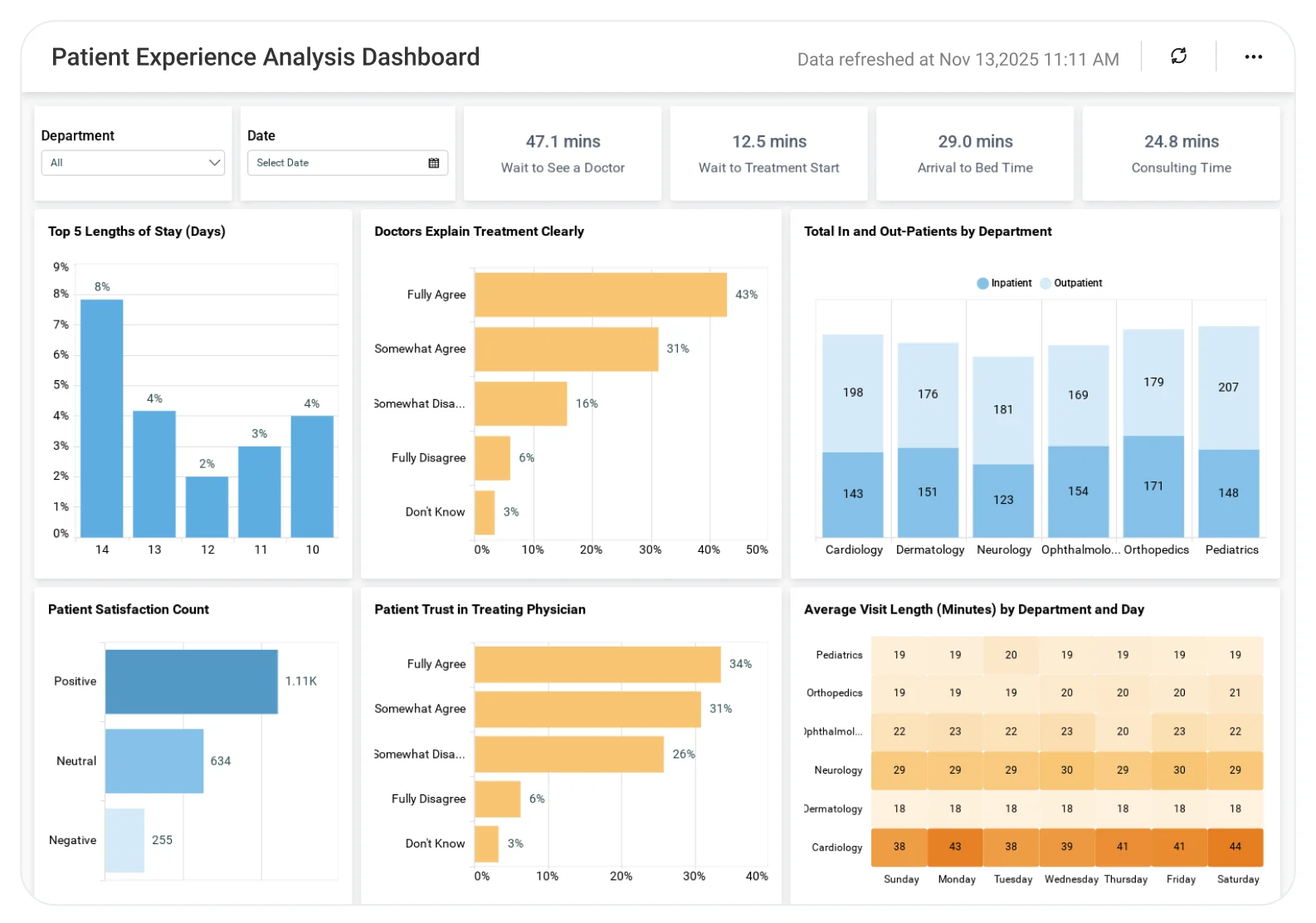
1. Mastering Clinic Feedback Analysis to Elevate Patient Care and Clinical Reputation
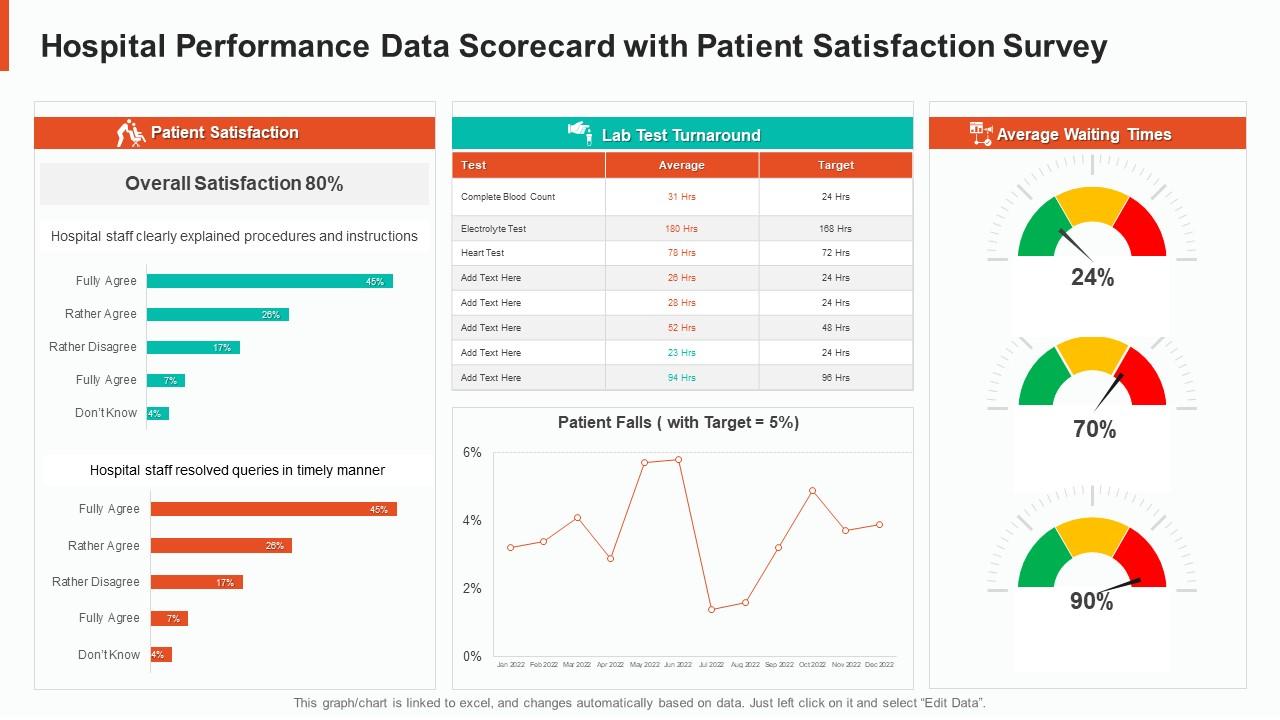
1.1 The Strategic Importance of Patient-Centered Data in U.S. Healthcare
The U.S. healthcare landscape is undergoing a massive structural shift. Evaluating the shift from volume-based to value-based care reimbursement models reveals that financial success is increasingly tied to the actual quality of care delivered rather than the sheer number of patient visits. Within this framework, rigorous clinic feedback analysis serves as a fundamental operational pillar for modern practice administrators aiming to optimize both financial performance and clinical outcomes. By systematically evaluating patient satisfaction ratings, healthcare organizations can identify operational gaps, streamline service delivery, and align their internal workflows with federal quality incentives.
Furthermore, robust feedback mechanisms establish a direct correlation between daily patient sentiment and performance metrics such as HCAHPS scores. When clinics actively track and analyze what patients say about their experiences, leadership teams can pinpoint precise areas for improvement. This data-driven approach not only safeguards facility accreditations but also enhances overall medical service quality across every department, ensuring that patient voices directly influence institutional growth and standard operating procedures.
1.2 Designing an Omnichannel Architecture for Feedback Collection
Capturing accurate patient sentiment requires meeting individuals along their preferred communication channels. Mapping the patient journey from digital intake to post-discharge follow-up ensures that feedback touchpoints feel seamless and intuitive rather than intrusive. Implementing automated SMS and email outreach allows clinics to gather real-time impressions while strictly maintaining HIPAA compliance to protect sensitive health information. To maximize completion rates and mitigate survey fatigue, practices frequently deploy micro-interactions and accessible digital kiosks right in the waiting area, capturing immediate feedback regarding administrative efficiency and environmental comfort.
1.3 Advanced Methodologies for Processing Qualitative and Quantitative Data
Traditional metrics like the Net Promoter Score only offer a surface-level glimpse into patient loyalty. Moving beyond simple numerical scores requires granular sentiment analysis to understand the nuanced emotions behind a review. Utilizing Natural Language Processing (NLP) enables administrators to automatically extract recurring themes from unstructured patient comments, highlighting specific pain points such as clinic wait time analysis or lapses in doctor-patient communication efficacy. By pairing these qualitative insights with quantitative metrics, such as patient-reported outcome measures, practice leaders can perform comprehensive root cause analysis to eliminate systemic bottlenecks in clinical workflows and foster continuous care improvement.
Operationalizing Feedback Insights for Growth and Compliance
Transforming Raw Data into Frontline Clinical Action
Translating numerical metrics and text comments into daily bedside habits requires more than high-level administrative reports. Practices must shift from passive data collection to active intervention by embedding sentiment tracking into clinical workflows. When clinics review patient satisfaction ratings alongside daily appointment logs, care teams can directly connect procedural efficiency with individual experiences.
Creating personalized feedback dashboards for physicians and nursing staff
Generic quarterly summaries rarely alter daily provider behavior. Instead, practices need role-specific dashboards that filter incoming comments by department, physician, and care phase. Giving clinicians direct access to their specific performance metrics fosters internal accountability and highlights exact areas for refinement without feeling punitive.
Bridging the communication gap between administrative policy and bedside care
Operational strategies devised in executive offices often fail if they do not resonate with frontline staff. Administrators must translate patient-centered data into clear clinical protocols, ensuring that nurses and physicians understand how scheduling changes or intake modifications directly influence overall care quality.
Closing the loop by communicating operational changes back to the patient population
Patients appreciate knowing their voices matter. When a clinic updates its procedures based on submitted surveys—such as streamlining check-in or expanding appointment availability—letting the patient community know demonstrates genuine responsiveness and strengthens long-term loyalty.
Optimizing Practice Reputation and Long-Term Financial Performance
Consistent analysis of patient sentiment directly protects and enhances a clinic’s financial foundation. Unresolved grievances often migrate to public platforms, whereas internal feedback channels allow practices to resolve minor issues before they impact public perception or payer reimbursements.
Leveraging internal feedback loops to proactively manage Google, Healthgrades, and Vitals ratings
Directing satisfied patients toward public review sites while routing dissatisfied respondents to internal resolution teams helps safeguard online reputations. This balance ensures that public ratings accurately reflect the high standard of care delivered inside the facility.
Analyzing the impact of patient satisfaction on malpractice risk reduction and staff retention
Strong interpersonal communication and positive patient relationships correlate strongly with lower malpractice claim frequencies. Furthermore, clinical environments characterized by constructive feedback and high morale experience lower staff burnout and reduced turnover.
Developing a continuous quality improvement cycle to ensure sustainable practice growth
Sustainable growth requires treating feedback analysis as an ongoing loop rather than a static project. By regularly reviewing operational metrics, adapting to emerging patient expectations, and refining clinical workflows, practices remain resilient in a competitive healthcare market.
Addressing Frequently Asked Questions Regarding Clinic Feedback Analysis
Selecting the optimal technological stack for secure patient feedback management
Practices must invest in HIPAA-compliant software solutions that encrypt data both in transit and at rest. The chosen platform should seamlessly integrate with electronic health record systems while automating outreach without violating patient privacy regulations.
Distinguishing between standardized HCAHPS requirements and internal quality metrics
While HCAHPS surveys provide standardized benchmarks mandated for regulatory and reimbursement purposes, internal micro-surveys offer the agility needed to track day-to-day operational nuances and immediate service recovery efforts.
Implementing ethical protocols for responding to negative online patient reviews
When addressing public criticism, staff must never disclose protected health information or violate patient confidentiality. Responses should acknowledge the patient’s feelings professionally, invite them to discuss the matter offline, and demonstrate a commitment to resolving clinical concerns.
Mastering clinic feedback analysis is no longer just an administrative exercise; it is a foundational pillar for modern U.S. healthcare practices aiming to thrive in a value-based care landscape. By systematically capturing, evaluating, and operationalizing patient sentiments, healthcare providers can directly influence their patient satisfaction ratings, refine clinical workflows, and foster deep-rooted community trust. Turning raw qualitative comments and quantitative scores into actionable frontline improvements bridges the gap between organizational policy and exceptional bedside care.
Ultimately, a commitment to continuous quality improvement ensures that medical practices remain resilient, compliant, and patient-centric. For organizations ready to elevate their standard of care and strengthen their clinical reputation, exploring structured methodologies like clinic feedback analysis: improve patient satisfaction provides the ideal roadmap for long-term operational success and sustainable growth.