

When facing a planned medical procedure, managing a chronic condition, or seeking long-term care for a loved one, navigating the U.S. healthcare system can feel overwhelming. With thousands of hospitals, clinics, and specialized centers operating across the country, patients and their families are often left wondering how to separate standard providers from true leaders in patient safety. Choosing accredited healthcare facilities is one of the most reliable ways to ensure that the care you or your family receives meets rigorous national standards for quality and safety.
Understanding what goes on behind the scenes of these certifications helps demystify the selection process. In this guide, you will learn how independent oversight bodies evaluate medical institutions, how to investigate facility credentials using public databases, and what vital questions to ask during an on-site visit to make an informed, confident choice about your clinical treatment outcomes.

1. Understanding the Role of Accreditation in Patient Safety and Quality Standards

When navigating the modern healthcare landscape, patients and families are often tasked with making high-stakes decisions about where to receive care. At the heart of these choices lies the evaluation of accredited healthcare facilities. Official recognition serves as a vital indicator that an organization has voluntarily submitted to rigorous, independent evaluations of its operational and clinical practices.
1.1 Defining Accrediting Bodies and Their Oversight
Independent accrediting organizations establish the baseline benchmarks for health and safety across the industry. Rather than relying solely on generic guidelines, these independent entities employ multidisciplinary teams of clinicians, administrators, and quality experts to scrutinize everything from infection control protocols to surgical safety checklists.
1.1.1 The Role of The Joint Commission in Hospital Quality
As one of the most prominent independent reviewers in the United States, The Joint Commission evaluates thousands of general hospitals and medical centers. Their unannounced on-site surveys examine how facilities handle medication management, emergency preparedness, and patient handoffs. Achieving their stamp of approval indicates that an institution aligns with established medical excellence benchmarks.
1.1.2 CARF International and Specialized Rehabilitation Standards
For individuals seeking specialized care, CARF International focuses heavily on rehabilitation facilities, behavioral health programs, and aging services. Their standards emphasize individualized care planning, functional improvements, and continuous measurable progress, ensuring that specialized programs deliver targeted therapeutic value.
1.1.3 ACHC and Accreditation for Home Health and Hospice
The Accreditation Commission for Health Care (ACHC) provides specialized oversight for community-based services, including home health, hospice, and specialized diagnostic laboratories. Their framework helps ensure that clinical quality remains high even when care is delivered outside traditional hospital walls, safeguarding vulnerable populations in home settings.
1.2 Distinguishing Between Mandatory State Licensing and Voluntary Accreditation
A common point of confusion for patients is the difference between state licensing and voluntary certification. State licensing is a legal prerequisite for operation, ensuring a facility meets minimum building codes, sanitary requirements, and basic staffing ratios. Voluntary accreditation, by contrast, goes far beyond these legal minimums. Facilities that pursue voluntary oversight choose to invest time and resources into proving they operate at the absolute forefront of industry best practices.
1.3 Why Gold Seal Accreditation Matters for Clinical Outcomes
The pursuit of an official accreditation status directly influences the day-to-day delivery of patient care. Institutions that undergo regular peer reviews foster a culture of transparency and continuous learning. This dedication translates into optimized clinical treatment outcomes, as healthcare teams continuously refine their protocols based on national data and evidence-based research.
1.4 The Correlation Between Facility Accreditation and Reduced Medical Errors
One of the most compelling arguments for choosing recognized institutions is their proven track record in risk management. Accredited centers must implement robust tracking systems for adverse events, near-misses, and operational bottlenecks. By standardizing communication, upgrading their medical technology integration status, and enforcing strict safety checks, these facilities systematically lower the incidence of preventable medical errors and hospital-acquired infections.
2. A Comprehensive Framework for Evaluating and Choosing Healthcare Facilities
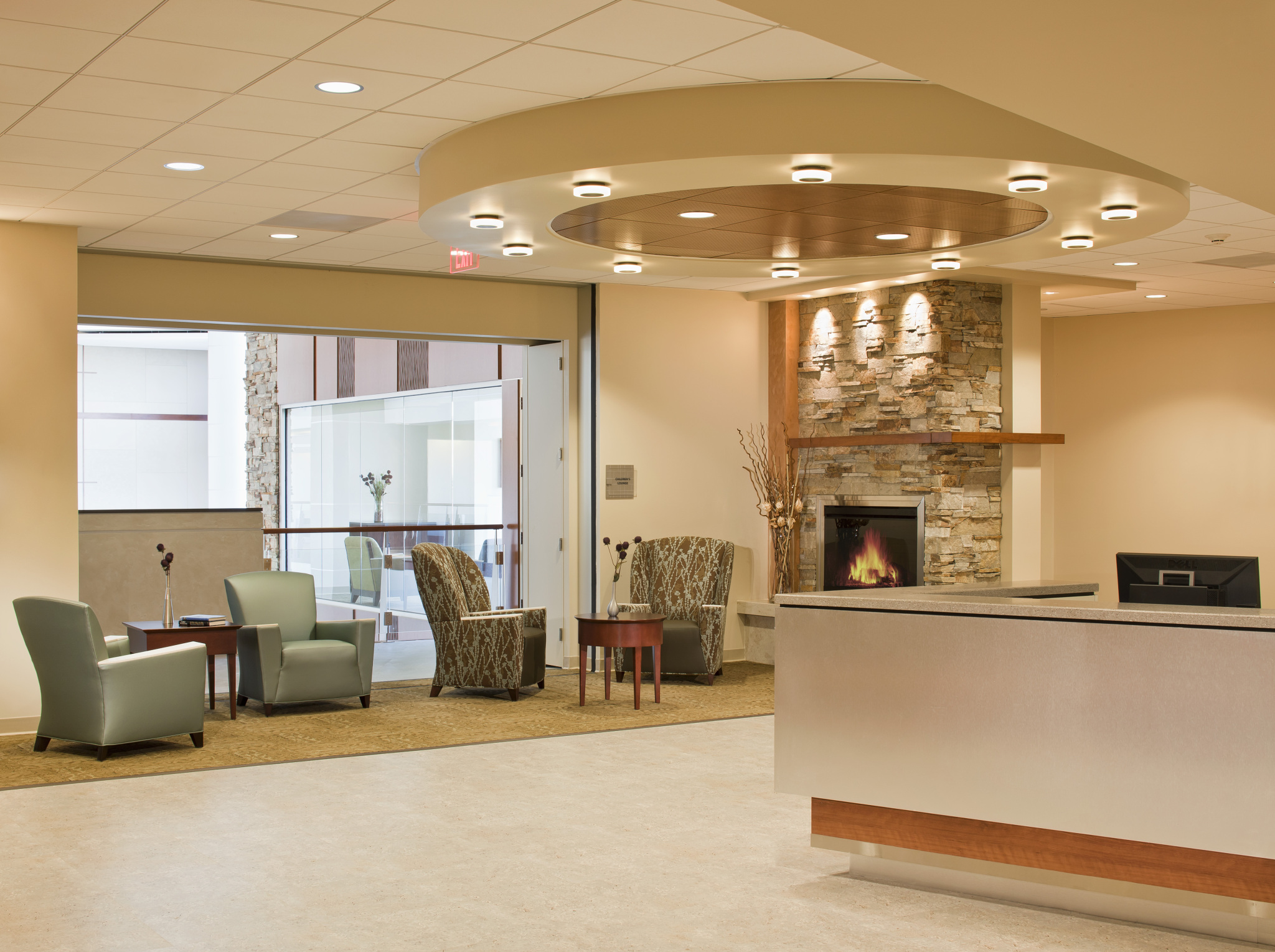
Navigating the vast landscape of health systems requires a structured approach. Selecting the right environment involves looking past marketing materials to examine objective data, medical capabilities, and day-to-day operations.
2.1 Conducting Thorough Due Diligence on Facility Credentials
Before committing to a care provider, verifying basic institutional credentials serves as your primary defense against substandard care.
2.1.1 Utilizing Medicare Care Compare to Analyze Performance Ratings
Federal databases provide standardized star ratings that evaluate patient surveys, safety scores, and clinical processes. These metrics allow you to benchmark centers objectively.
2.1.2 Navigating State Health Department Databases for Deficiency Reports
State licensing boards maintain public records of health inspections, citations, and corrective action plans, offering a transparent look at past operational lapses.
2.1.3 Verifying Professional Staff Licensing and Clinical Credentials
Ensure that attending physicians, nursing leadership, and allied health professionals hold active, unencumbered state licenses and board certifications.
2.1.4 Analyzing Staff-to-Patient Ratios and Their Impact on Care
Adequate staffing directly influences response times and care quality. Reviewing nurse-to-patient ratios helps gauge whether a facility can support individualized attention and maintain medical excellence benchmarks.
2.2 Assessing Medical Capabilities and Therapeutic Specializations
Facilities must align directly with the specific clinical needs of the patient.
2.2.1 Evaluating Specialized Services Like Memory Care and Wound Management
Advanced conditions demand dedicated units, specialized equipment, and staff trained extensively in managing high-risk clinical presentations.
2.2.2 Understanding Physician Oversight and 24/7 Nursing Availability
Inquire about regular attending physician rounds and whether registered nurses remain on-site around the clock to manage sudden changes in condition.
2.2.3 Reviewing Physical, Occupational, and Speech Therapy Programs
Robust rehabilitation services are vital for recovery. Look for programs tailored to improving daily functioning and long-term clinical treatment outcomes.
2.3 Mastering the On-Site Tour and Facility Observation
A physical walkthrough reveals operational realities that digital reports might miss.
2.3.1 Assessing Environmental Hygiene and Facility Maintenance
Pay close attention to cleanliness, air quality, waste disposal protocols, and the overall physical upkeep of patient rooms and common areas.
2.3.2 Observing Caregiver Interactions for Dignity and Responsiveness
Watch how staff members communicate with residents and patients. Empathetic, respectful dialogue is a strong indicator of a healthy organizational culture.
2.3.3 Evaluating Quality of Life Factors Including Dining and Social Engagement
Examine meal quality, variety, and the availability of enriching group activities that support mental and emotional well-being.
2.3.4 Essential Questions for Nursing Directors and Admissions Staff
Prepare direct questions regarding emergency transfer protocols, staff turnover rates, and how the center handles complex care escalations.
2.4 Navigating Financial Transparency and Insurance Requirements
Understanding the financial framework prevents unexpected out-of-pocket expenses during a vulnerable time.
2.4.1 Deciphering Payment Models: Medicare, Medicaid, and Private Insurance
Confirm which payers the institution accepts and understand your specific coverage limits, copays, and prior authorization requirements.
2.4.2 Identifying Hidden Costs and Understanding Comprehensive Service Fees
Request a detailed, itemized breakdown of baseline room and board fees versus additional charges for specialized supplies, therapies, or personal care items.
2.4.3 Long-Term Financial Forecasting and Discharge Planning Considerations
Work with financial counselors to map out projected care costs over time, ensuring a sustainable plan that aligns with your family’s resources. To learn more about navigating your care options, read this guide on choosing accredited healthcare facilities.
Navigating the healthcare landscape can feel overwhelming, but understanding the value of accredited healthcare facilities empowers you to make informed, confident decisions for yourself and your loved ones. By looking beyond basic state licensing and focusing on institutions that voluntarily meet rigorous national standards, you prioritize patient safety, advanced technology, and superior care standards.
As you evaluate your options, remember that true quality of care is reflected in measurable clinical treatment outcomes and a steadfast commitment to continuous improvement. Whether you are exploring long-term care options, surgical centers, or specialized rehabilitation, taking the time to review credentials, observe facility environments, and ask the right questions will guide you toward trusted providers. To dive deeper into what specific scores and performance indicators reveal about institutional quality, explore our guide on patient satisfaction ratings.