

Navigating modern healthcare often starts long before stepping into a physical clinic, making the telehealth patient journey an essential blueprint for accessing timely, effective virtual care. From the initial moment a patient logs onto a device to evaluate a sudden health concern to the final follow-up message from a care provider, virtual medicine has transformed how care is delivered across the United States. Today, patients expect a seamless blend of convenience and clinical excellence, whether they are utilizing a digital symptom assessment or coordinating long-term chronic condition management from home.
Understanding this digital pathway helps patients, caregivers, and healthcare providers work together more effectively. Throughout this guide, you will learn how the virtual care lifecycle operates, how administrative and technical hurdles are managed behind the scenes, and what steps you can take to maximize the quality, security, and continuity of your remote medical consultations.
Mapping the Complete Telehealth Patient Journey for Modern Healthcare
Understanding the Phases of the Telehealth Patient Journey
Defining the virtual care lifecycle from discovery to follow-up
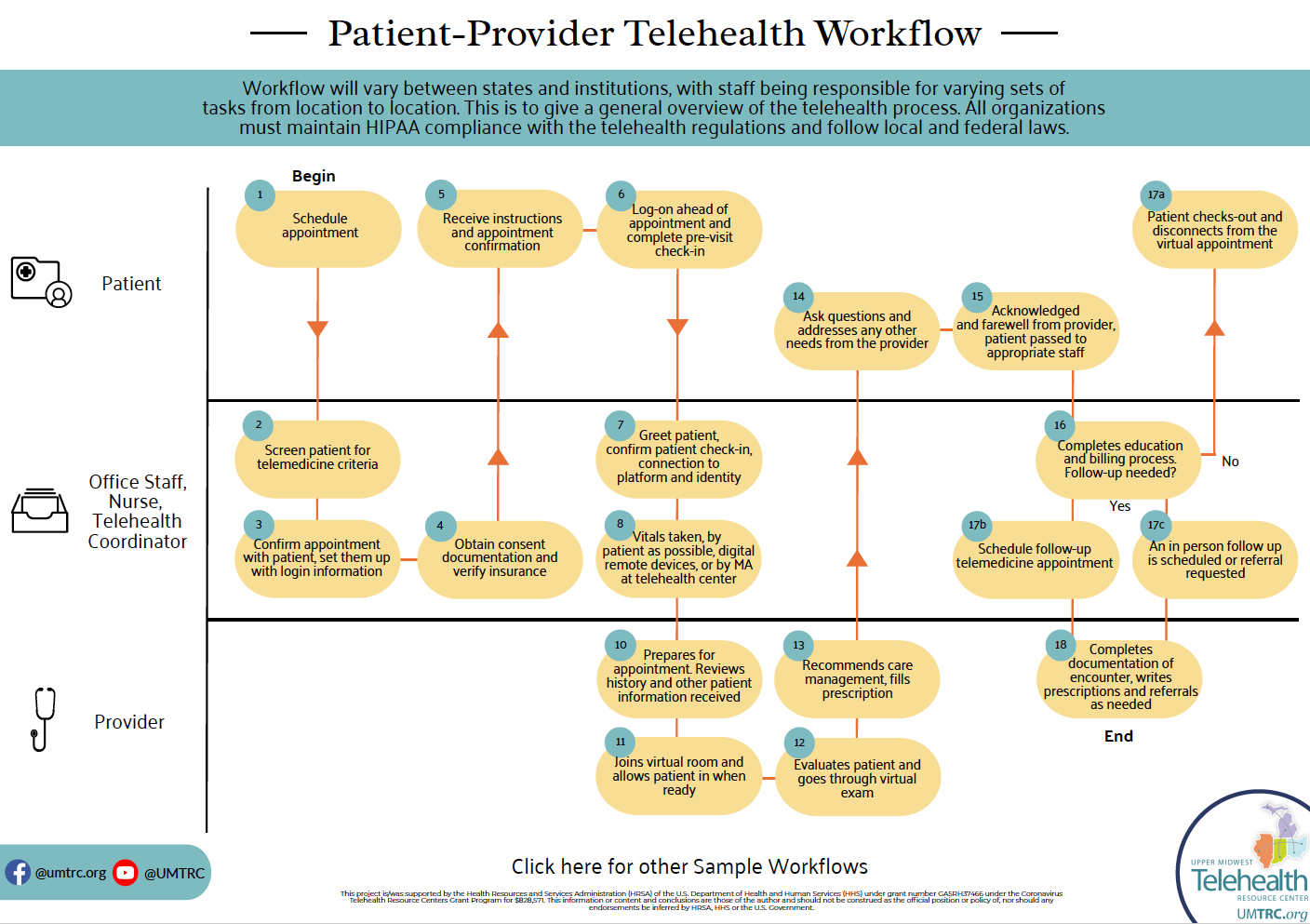
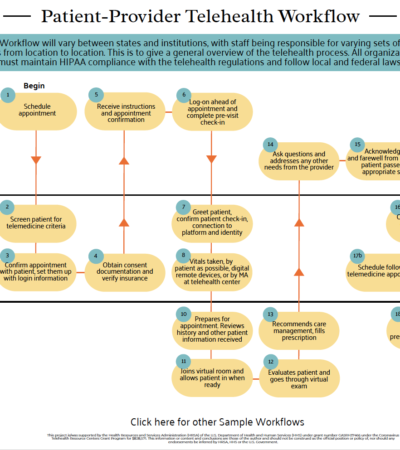
The telehealth patient journey encompasses every touchpoint a patient experiences, starting long before a video call connects. It begins with discovery, where patients utilize a digital symptom assessment tool to evaluate their initial health concerns online. From there, individuals navigate scheduling, pre-visit paperwork, the virtual consultation itself, and post-treatment follow-up care. Each step requires seamless integration to ensure patients do not experience frustration or drop off before receiving the clinical guidance they need.
Identifying the shift from reactive medicine to proactive hybrid engagement
Historically, healthcare operated primarily reactively—patients only sought care when acute symptoms forced them into a clinic or emergency room. Today, virtual care facilitates a proactive hybrid engagement model. By combining routine check-ins, continuous digital communication, and preventive care frameworks, providers can monitor chronic conditions early and guide patients toward better long-term wellness. For more insights on blending traditional and digital care models, read this guide on holistic health strategy.
Optimizing the Pre-Visit and Administrative Workflow
Streamlining digital intake and insurance verification processes
Administrative bottlenecks are among the primary friction points in virtual healthcare. Modern telehealth platforms simplify this by embedding intuitive digital intake forms that patients can complete on their smartphones or computers prior to the appointment. Furthermore, automated insurance verification tools reduce administrative errors, giving patients clear health insurance navigation support before their consultation begins so they understand their out-of-pocket costs and coverage limits.
Improving technical readiness through automated device checks and user support
Nothing disrupts a medical consultation quite like audio failure or a frozen video screen. To combat this, the modern patient journey incorporates automated technical checks before the visit starts. These pre-flight diagnostics test the patient’s camera, microphone, and internet connection, prompting automated troubleshooting steps if a failure is detected. Ensuring technological readiness significantly lowers anxiety for patients who may not feel digitally confident.
Best Practices for Delivering High-Quality Virtual Consultations
Communication strategies for establishing rapport through digital screens
Building trust across a digital medium requires intentional communication habits from clinicians. Providers establish strong rapport by maintaining eye contact through the camera lens rather than looking at the screen, speaking clearly, and actively validating patient concerns. Because non-verbal cues can be harder to interpret through video, clinicians must rely on empathetic verbal reinforcement and structured active listening.
Managing clinical transitions from virtual consultation to physical examination
A virtual visit is rarely a standalone silo; it often serves as the entry point to a broader care continuum. When a provider determines that a hands-on physical exam, laboratory work, or imaging is necessary, managing the clinical transition smoothly is vital. Practitioners provide clear instructions on where and how to complete in-person diagnostic testing, ensuring the patient’s medical records follow them seamlessly across care settings.
Navigating remote patient monitoring and wearable data integration
Advanced virtual care increasingly relies on remote patient monitoring and wearable technology, such as continuous blood pressure cuffs, glucometers, and smartwatches. Integrating these biometric data streams into the telehealth workflow empowers physicians to review objective, real-time health metrics during consultations. This data-driven approach allows for highly personalized treatment adjustments and keeps patients actively engaged in tracking their own day-to-day health outcomes.
2. Overcoming Barriers and Enhancing the Telehealth Patient Journey
2.1 Addressing Digital Literacy and Equity in Virtual Care
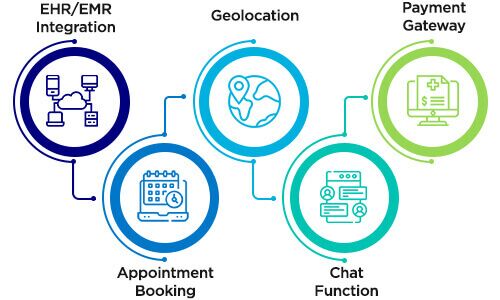
While virtual care offers unprecedented convenience, navigating the telehealth patient journey can present significant hurdles for individuals with limited technical proficiency or restricted access to high-speed broadband. Bridging the digital divide requires healthcare providers to implement simplified user interfaces, offer pre-visit technical check-ins, and deploy community-based digital navigators. For elderly and rural populations, these proactive support measures ensure that technology acts as a bridge to medicine rather than a barrier.
Furthermore, digital equity demands rigorous adherence to the Americans with Disabilities Act (ADA). Telehealth platforms must integrate features such as closed-captioning, screen-reader compatibility, adjustable text scaling, and multi-language support. By proactively addressing these accessibility requirements, healthcare organizations ensure that patients with sensory or cognitive impairments can complete their virtual visits with dignity, autonomy, and ease.
2.2 Ensuring Data Security and Regulatory Compliance
Patient trust is foundational to virtual healthcare, making robust data protection non-negotiable. Strict adherence to Health Insurance Portability and Accountability Act (HIPAA) guidelines ensures that all video transmissions, digital chats, and stored electronic health records remain encrypted and secure. Healthcare providers must utilize dedicated, HIPAA-compliant communication software rather than standard consumer video conferencing apps to safeguard private medical information against cyber threats.
Navigating the complex landscape of U.S. state-by-state medical licensing introduces another layer of administrative compliance. Because physicians must generally hold a valid license in the state where the patient is physically located during the consultation, health systems rely on advanced geofencing and automated intake questionnaires. These verification steps prevent cross-state service violations and align with current healthcare facility accreditation compliance standards.
2.3 Enhancing Long-Term Patient Engagement and Retention
Sustaining continuous patient engagement extends far beyond the live virtual screen. To combat missed appointments, clinics utilize automated SMS and email reminders integrated directly into patient portals, which significantly reduce appointment no-show rates. These touchpoints keep patients actively involved in their scheduled care schedules.
The post-visit phase is equally vital for reinforcing treatment adherence. Clinicians leverage secure portal messaging to deliver comprehensive digital care plans, lifestyle advice, and chronic condition management advice. Concurrently, clear communication regarding billing transparency and insurance reimbursement inquiries helps prevent unexpected financial friction, ensuring that the final steps of the virtual care continuum leave patients feeling supported, informed, and valued.
The modern healthcare landscape continues to evolve, making the telehealth patient journey a cornerstone of accessible, efficient, and patient-centered care. From the initial digital symptom assessment and medical triage guidance to secure virtual consultations and post-treatment care transition support, every phase plays a vital role in shaping health outcomes. By streamlining administrative workflows, ensuring strict regulatory compliance, and embracing digital health literacy, healthcare providers can bridge critical gaps in the virtual care continuum.
Ultimately, a successful virtual care experience relies on a seamless blend of empathetic clinical communication and reliable medical technology. As telehealth solidifies its place in everyday medicine, understanding this step-by-step pathway empowers patients to navigate their health options confidently. Whether you are managing a chronic condition or seeking a routine consultation, embracing proactive virtual health strategies ensures you receive timely, high-quality care tailored to your unique needs.