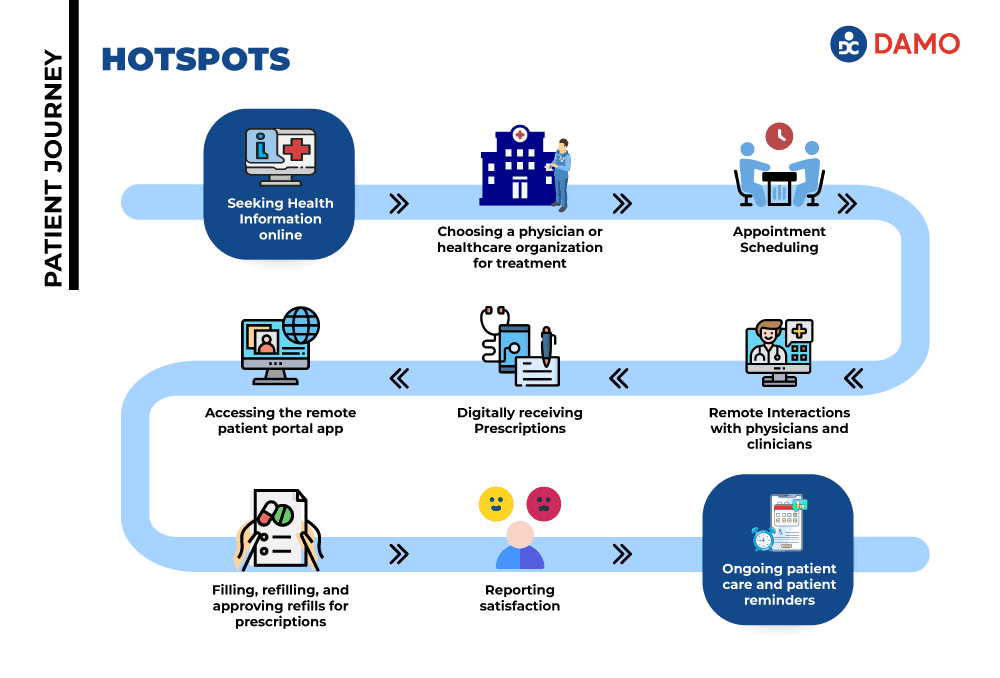

Navigating modern healthcare should feel as seamless as booking a flight or managing a bank account, yet many patients still encounter digital roadblocks when attempting to access virtual care. Perfecting the telehealth patient journey requires a deliberate shift away from fragmented clinic portals toward intuitive, consumer-grade experiences that begin long before a video call ever starts. From initial digital symptom assessment to post-treatment follow-ups, every touchpoint shapes how patients perceive clinical quality and reliability.
In this comprehensive guide, you will learn how healthcare organizations and private practices can streamline virtual care pathways, reduce administrative friction, and boost patient retention. Whether you are looking to refine your digital front door, optimize electronic health record integrations, or better navigate insurance requirements, understanding the end-to-end virtual lifecycle is essential for modern medical success.
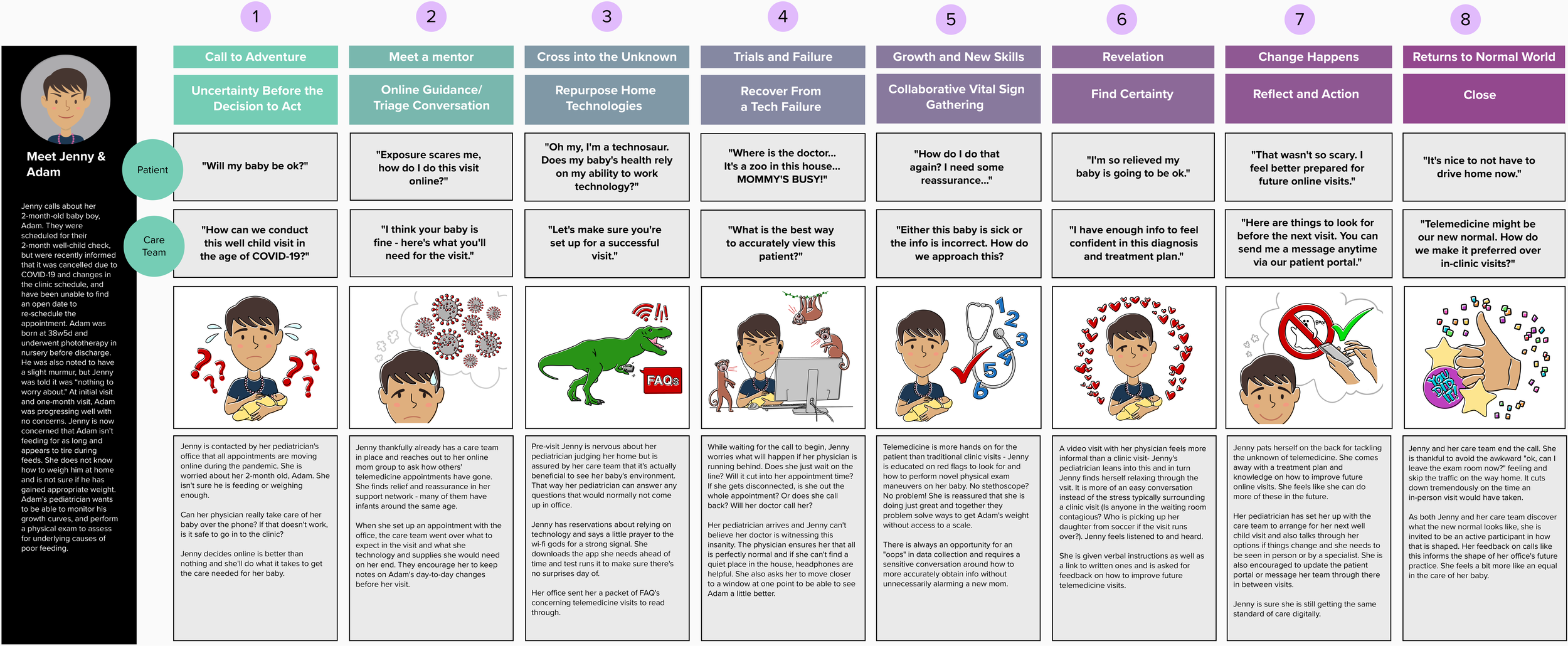
1. Mapping and Improving the Telehealth Patient Journey for Modern Practice
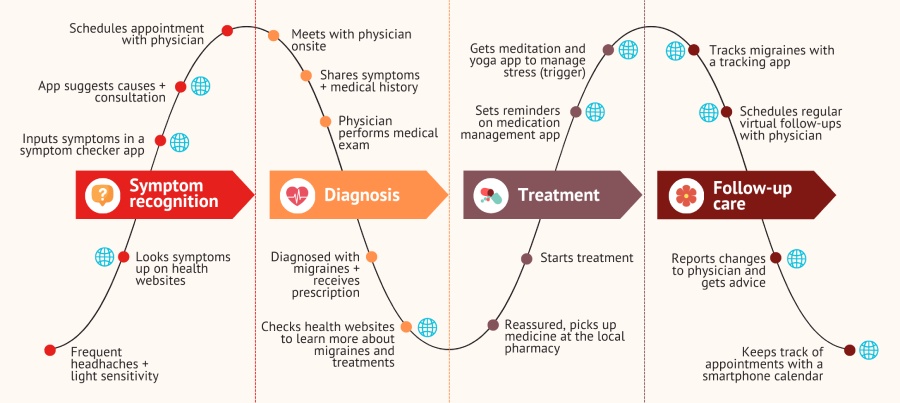
1.1 Understanding the Virtual Care Continuum
1.1.1 Defining the end-to-end digital lifecycle
The telehealth patient journey represents a continuous loop of virtual touchpoints that begins long before a video call connects and extends well after the virtual consultation ends. In modern healthcare delivery, this end-to-end digital lifecycle encompasses initial online discovery, digital symptom assessment, scheduling, intake, the clinical encounter itself, and post-visit follow-up care coordination. Managing this continuum effectively requires viewing technology not as a standalone tool, but as the core infrastructure connecting patients to timely, high-quality clinical outcomes.
1.1.2 Why U.S. patients expect consumer-grade virtual experiences
American healthcare consumers navigate daily life using seamless mobile apps for banking, retail, and travel. Consequently, they hold digital health services to the exact same standard. When booking a virtual doctor appointment feels clunky, slow, or fragmented, patient frustration rises, often leading to abandoned care. Modern healthcare providers must eliminate digital friction by offering intuitive interfaces, clear navigation, and responsive communication channels that mirror the consumer-grade experiences patients encounter everywhere else.
1.1.3 The business case: Impact on retention, clinical outcomes, and revenue
Optimizing virtual care workflows directly influences a practice’s bottom line and clinical reputation. Streamlined digital journeys reduce no-show rates, lower administrative overhead, and drive long-term patient retention. Furthermore, when patients find it easy to access care and understand their coverage through proactive health insurance navigation support, they engage more consistently with their providers, resulting in improved chronic disease management and overall health outcomes.
1.2 Optimizing the Pre-Visit and During-Visit Workflow
1.2.1 Digital front door strategies: Mobile-friendly discovery and scheduling
Establishing an effective digital front door starts with mobile-optimized web design and transparent online scheduling tools. Patients should be able to find a provider, check availability, and secure a virtual slot in just a few clicks from their smartphones. Integrating a reliable digital symptom assessment tool at this stage helps direct patients to the appropriate level of care, ensuring their needs align with the clinician’s specialty before the appointment is finalized.
1.2.2 Automating intake, insurance verification, and consent to reduce friction
Paper clipboards and manual data entry are relics of traditional brick-and-mortar medicine that have no place in a streamlined virtual practice. Automating the pre-visit phase allows patients to complete medical history forms, sign consent documents, and upload insurance details securely from home. By automating eligibility checks, clinics can minimize billing errors and provide early clarity regarding out-of-pocket costs.
1.2.3 Best practices for virtual bedside manner and stable platform delivery
A successful clinical encounter relies heavily on technical reliability and interpersonal warmth. Providers must master the art of the virtual bedside manner by maintaining eye contact through the webcam, speaking clearly, and actively acknowledging the patient’s concerns through the screen. Ensuring your video platform is HIPAA-compliant, stable, and easy to launch without cumbersome software downloads is essential for keeping patient anxiety low and engagement high.
1.2.4 Real-time EHR integration and e-prescribing workflows
Operational efficiency during the visit depends on seamless technology integration. When telehealth software syncs in real time with your Electronic Health Record (EHR) system, clinicians can review medical histories, document notes instantaneously, and transmit prescriptions directly to the patient’s preferred pharmacy without switching screens. This reduces administrative burn-out, minimizes documentation errors, and closes the loop on a smooth, professional virtual visit.
2. Post-Visit Engagement, Analytics, and Scaling Your Telehealth Strategy
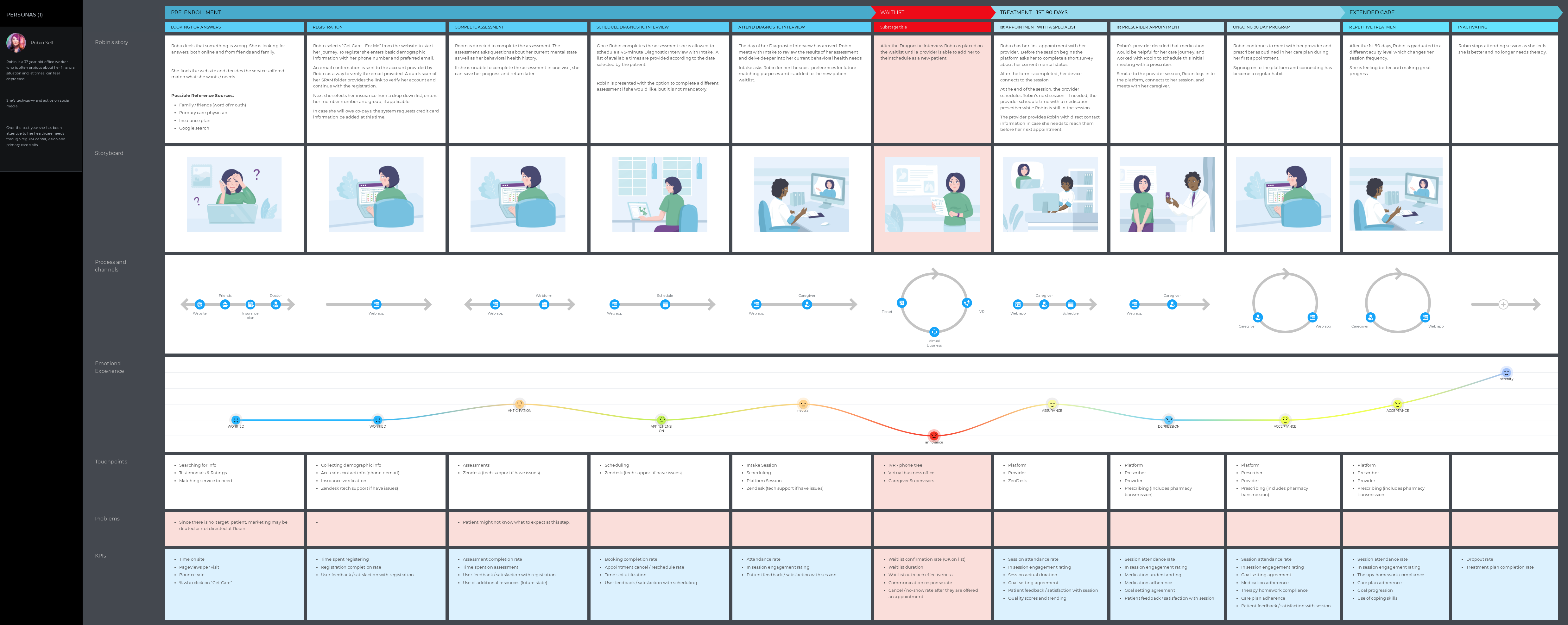
2.1 Enhancing Retention through Continuous Care Coordination
The patient relationship does not end when a virtual video session disconnects. Delivering immediate follow-up summaries and secure messaging builds trust and keeps patients actively involved in their treatment plans. When patients receive a clear breakdown of their diagnosis, next steps, and medication instructions right in their inbox, adherence rates improve dramatically.
For individuals managing long-term conditions, leveraging Remote Patient Monitoring (RPM) for chronic care management bridges the gap between office visits. By tracking vitals like blood pressure or glucose levels remotely, care teams can intervene early before minor fluctuations become emergency room visits. Furthermore, keeping this continuum of care friction-free extends to financial interactions; transparent pricing and digital payment adoption ensure patients understand their financial responsibilities without surprise bills tarnishing their overall experience. For additional strategies on evaluating clinical workflows, explore patient care workflow optimization: strategies for excellence to refine your operational approach.
2.2 Measuring Success and Overcoming Implementation Barriers
Scaling a virtual care program requires rigorous data analysis and a commitment to operational efficiency. Tracking key performance indicators like patient acquisition cost (PAC), lifetime value (LTV), and no-show rates allows healthcare organizations to pinpoint bottlenecks and allocate resources effectively. Utilizing AI and CRM tools for personalized patient outreach helps automate appointment reminders, preventive health check-ins, and wellness campaigns tailored to individual health histories.
However, true scalability also demands addressing systemic hurdles. Solving for the digital divide through accessibility features, reliable broadband support, and multi-language translation tools ensures that vulnerable populations are not left behind by modern innovations. Finally, maintaining strict regulatory compliance is non-negotiable. Practices must carefully navigate cross-state licensure rules and HIPAA requirements to protect patient privacy while expanding their geographic reach securely.
Mastering the telehealth patient journey requires a deliberate balance of advanced digital tools and deeply human-centered care. From the initial moment a user looks for digital symptom assessment tools to the final stages of continuous care coordination, every touchpoint shapes overall health outcomes and patient trust. By streamlining pre-visit workflows, ensuring robust platform security, and maintaining clear communication long after the virtual call ends, healthcare providers can build resilient virtual practices that truly resonate with modern consumers.
Ultimately, optimizing virtual care delivery is an ongoing commitment to accessibility, efficiency, and clinical excellence. As digital health continues to evolve, practices that proactively measure performance indicators and adapt to patient feedback will stand out in a competitive landscape. Taking these strategic steps today ensures your organization remains a trusted leader in virtual medicine, delivering seamless, high-quality care whenever and wherever patients need it most.