

Navigating modern healthcare requires more than just clinical expertise; it demands a deep commitment to understanding and meeting patient expectations. Conducting a thorough clinic feedback analysis has become a cornerstone for medical practices striving to elevate their standard of care and foster long-term patient loyalty. When healthcare providers actively listen to what happens outside the examination room, they uncover vital insights that shape everything from daily scheduling to doctor-patient communication efficacy.
Whether you are managing a bustling multi-specialty practice or a boutique family medicine office, evaluating what patients have to say directly impacts your overall patient satisfaction ratings. In this guide, you will learn how to build a reliable feedback system, process complex data sets effectively, and turn raw patient comments into actionable operational improvements that benefit both your staff and the people you serve. For a broader look at how overall facility standards influence care, you can explore this guide on healthcare facility feedback.
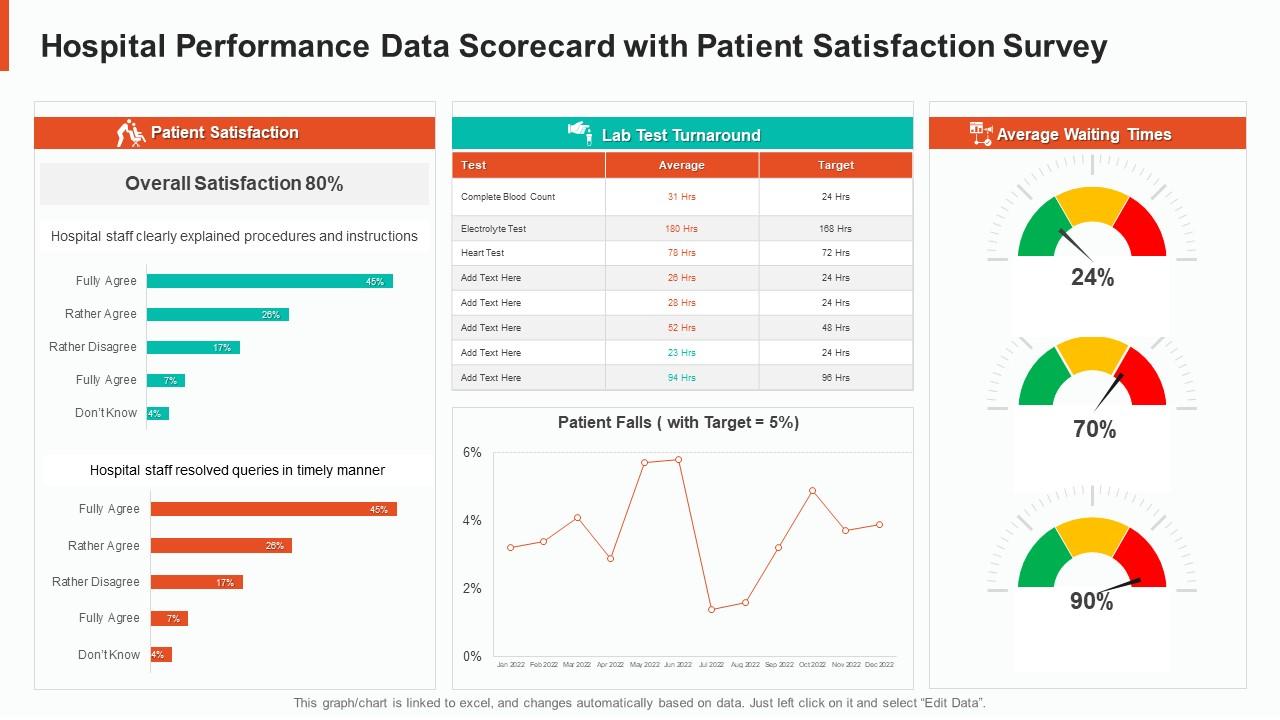
1. Developing a Robust Clinic Feedback Analysis System
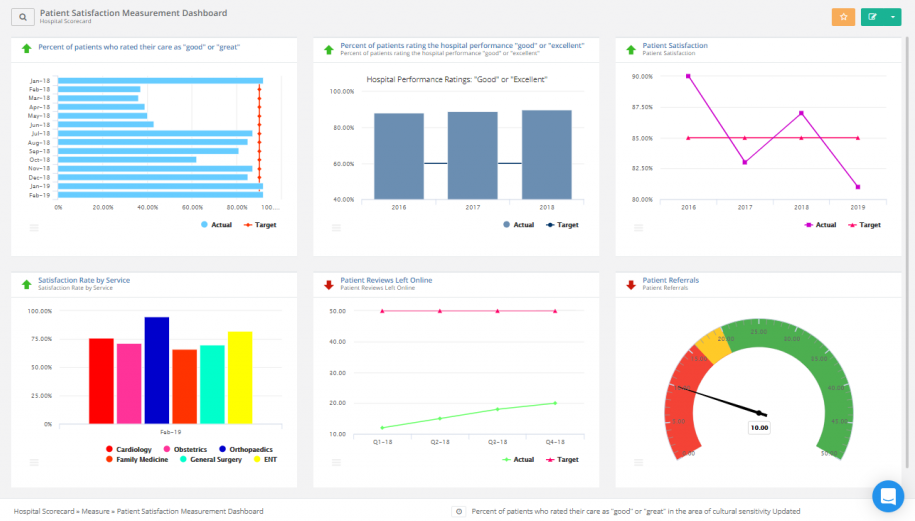
Building a dependable framework to evaluate patient sentiment begins long before any data is reviewed. Conducting a thorough clinic feedback analysis requires a multi-pronged approach that captures the voice of the patient accurately while respecting their time. Without structured collection methods, medical practices risk gathering skewed data that fails to reflect the true patient journey.
1.1 Strategies for Multichannel Patient Data Collection
Relying on a single feedback channel often results in low response rates and biased insights skewed toward extreme experiences. Successful healthcare organizations leverage diverse digital and physical touchpoints to gather actionable data.
1.1.1 Implementing Automated SMS and Email Post-Visit Surveys
Automated digital surveys sent via SMS or email shortly after an appointment yield the highest volume of responses. Because patients receive these prompts while their visit is still fresh in their minds, the captured sentiment tends to be accurate and detailed. Integrating these surveys directly with Electronic Health Records (EHR) ensures timely delivery without placing extra administrative burdens on clinic staff.
1.1.2 Utilizing In-Clinic Tablet Kiosks for Real-Time Sentiment Capture
For patients who prefer not to digitalize their post-visit routine at home, secure tablet kiosks stationed near the exit provide an immediate outlet for feedback. This strategy helps capture the perspective of demographics that may be less responsive to email or text prompts, ensuring your healthcare facility feedback remains representative of the entire patient population.
1.1.3 Balancing Survey Depth with Patient Fatigue Mitigation
Survey fatigue is a primary reason patients abandon feedback forms midway through. To combat this, clinics should keep digital questionnaires concise—focusing on three to five core questions with optional expansion fields. Prioritizing brief, targeted inquiries preserves data quality and encourages higher completion rates across all patient cohorts.
1.2 Processing Quantitative and Qualitative Data
Once patient insights are collected, the raw data must be organized and interpreted through standardized evaluation frameworks to drive meaningful operational adjustments.
1.2.1 Standardizing Metrics via Net Promoter Score and CAHPS Models
Quantitative analysis relies on established benchmarks such as the Net Promoter Score (NPS) and Consumer Assessment of Healthcare Providers and Systems (CAHPS) frameworks. These models allow clinic administrators to track longitudinal trends, benchmark performance against regional competitors, and directly influence patient satisfaction ratings through measurable numeric outcomes.
1.2.2 Categorizing Open-Ended Text Responses Through Thematic Analysis
Numbers alone cannot capture the nuance of a patient experience. Thematic analysis of open-ended text comments helps administrators group similar sentiments—such as parking difficulties, scheduling delays, or billing confusion—into distinct categories, revealing the underlying human stories behind numerical scores.
1.2.3 Applying Natural Language Processing to Identify Clinical vs. Administrative Friction Points
Advanced natural language processing (NLP) tools can automatically scan hundreds of patient comments to isolate specific operational pain points. By distinguishing between comments regarding doctor-patient communication efficacy and purely administrative hurdles like front-desk check-in speeds, clinic managers can direct targeted interventions precisely where they are needed most.
Transforming Clinic Feedback Analysis into Operational Excellence
Gathering patient insights is only the first step toward true healthcare advancement. For a comprehensive look at how these metrics shape overall quality, evaluating patient satisfaction ratings helps practices benchmark their performance against industry standards. Bridging the gap between raw data and daily clinical workflow requires a deliberate strategy that turns administrative hurdles and communication bottlenecks into opportunities for lasting improvement.
Bridging the Gap Between Data and Clinical Workflow
Optimizing Front-Desk Operations to Reduce Perceived Wait Times
Long wait times are a primary driver of negative feedback in modern medical practices. When clinic feedback analysis highlights congestion at check-in, managers must re-engineer the intake process. Transitioning to pre-visit digital registration, streamlining insurance verification, and setting clear expectations in the waiting room can dramatically transform the patient experience before a physician ever enters the exam room.
Implementing Communication Training Based on Provider-Specific Feedback
Patient perceptions are heavily shaped by interpersonal interactions. When survey data points to deficiencies in doctor-patient communication efficacy, targeted coaching sessions become essential. Providers benefit from reviewing specific comments regarding eye contact, active listening, and the use of simple, jargon-free explanations, ensuring every patient feels truly heard and valued during their visit.
Enhancing Facility Accessibility and Billing Transparency Protocols
Financial anxiety and physical navigation challenges frequently overshadow clinical excellence. By utilizing insights gathered from staff professionalism feedback surveys and administrative reviews, clinics can overhaul their billing statements for greater clarity. Simultaneously, improving directional signage and scheduling workflows ensures that accessibility barriers are identified and resolved swiftly.
Sustaining Long-Term Improvement and Patient Retention
Closing the Feedback Loop by Communicating Operational Changes to Patients
Patients are far more likely to complete satisfaction surveys when they see tangible results from their input. Healthcare facility transparency relies on closing the feedback loop by actively informing patients when their suggestions lead to practice upgrades—such as extended evening hours, simplified check-in kiosks, or clearer billing layouts—fostering a genuine sense of partnership and community trust.
Leveraging Positive Sentiment to Improve Online Reputation and Referral Rates
Positive patient experiences represent a powerful engine for organic clinic growth. When sentiment analysis uncovers glowing reviews and high advocacy scores, practices can ethically encourage these satisfied individuals to share their experiences on public platforms. This strategy builds digital authority, reassures prospective patients, and steadily increases overall referral volumes.
Establishing a Cycle of Continuous Quality Improvement for Sustainable Growth
Achieving operational excellence is not a one-time event but an ongoing commitment to medical service quality. By reviewing performance metrics on a consistent monthly and quarterly schedule, clinic leadership can adapt to evolving patient expectations. This proactive cycle ensures that feedback data perpetually drives smarter staffing decisions, refined clinical workflows, and enduring patient loyalty.
Mastering clinic feedback analysis is much more than a routine administrative task; it is the foundational driver for elevating overall care quality and long-term patient loyalty. By systematically collecting multichannel insights, processing both quantitative data and open-ended sentiments, and translating those findings into targeted operational changes, medical practices can effectively bridge the gap between patient expectations and clinical reality. Cultivating strong doctor-patient communication efficacy, streamlining front-desk workflows, and maintaining complete billing transparency all work together to transform raw survey numbers into meaningful organizational growth. For a deeper understanding of how these metrics shape overall standards, explore our guide on patient satisfaction ratings.
Ultimately, a successful feedback framework relies on continuous monitoring and a genuine commitment to closing the loop with the community you serve. When patients see that their voices directly influence clinic improvements, trust deepens, referral rates climb, and your facility establishes a lasting reputation for compassionate, patient-centered excellence.