
Choosing where to receive medical care used to feel like a guessing game based entirely on word-of-mouth recommendations or a physician’s brief referral. Today, navigating healthcare facility transparency has transformed how patients evaluate their options, shifting the power dynamic firmly toward informed consumer choice. With unprecedented access to clinical outcomes, safety records, and pricing data, individuals can now look behind the curtain of modern medicine to make choices rooted in hard evidence rather than blind trust.
Whether you are managing a chronic condition, planning an upcoming surgery, or simply trying to make sense of your medical options, understanding how to read and interpret facility data is essential. Before scheduling your next appointment, it helps to review resources like patient satisfaction ratings: what healthcare scores mean to better gauge the overall patient experience. In this guide, you will learn how to decode complex clinical metrics, navigate federal pricing regulations, protect yourself from unexpected financial surprises, and advocate effectively for your health and wallet.
1. Navigating Healthcare Facility Transparency and Quality Metrics
1.1 Defining Healthcare Facility Transparency and the Consumer Shift
1.1.1 The evolution of patient-centered care and informed decision-making
The modern healthcare landscape has shifted dramatically from a paternalistic model to a truly patient-centered ecosystem. Today, consumers no longer accept medical recommendations blindly; instead, they expect open access to data that empowers them to make informed choices. This evolution turns patients into active participants in their wellness journeys. By examining how hospitals and clinics operate, individuals can align their personal values and health needs with providers who demonstrate proven excellence and accountability.
1.1.2 Ethical obligations of providers regarding open data sharing
Medical providers carry a fundamental ethical duty to practice with honesty and openness. Sharing performance metrics, clinical outcomes, and pricing structures is not merely a regulatory checkbox—it is a moral imperative that fosters trust. When institutions openly disclose their strengths and areas for improvement, they respect the autonomy of the individuals they serve. This commitment to transparency ensures that patients enter clinical relationships with a clear, realistic understanding of what to expect.
1.2 Interpreting Clinical Outcomes and Safety Performance
1.2.1 Analysis of mortality, readmission, and complication rates
Evaluating a facility requires looking beyond glossy marketing brochures and examining hard clinical data. Mortality, unplanned hospital readmission, and surgical complication rates serve as vital barometers of institutional competence. Low mortality rates for complex procedures indicate skilled surgical teams and robust postoperative care. Similarly, tracking readmission rates helps identify whether a facility excels at discharge planning or if patients frequently return due to preventable setbacks.
1.2.2 Understanding patient safety indicators like infection and surgical error reporting
Patient safety indicators offer a direct window into a clinic’s daily operational discipline. Healthcare-associated infections, accidental lacerations, and foreign objects left behind during procedures represent critical safety events that transparent facilities track rigorously and report publicly. By reviewing these metrics, consumers can gauge how effectively a medical center minimizes avoidable risks and enforces rigorous hygiene and procedural protocols.
1.2.3 Utilizing HCAHPS surveys to evaluate patient experience and facility culture
Beyond raw clinical metrics, the overall healing environment matters deeply. Hospital Consumer Assessment of Healthcare Providers and Systems surveys capture the genuine voice of those who have walked the halls. These standardized questionnaires provide reliable insights into patient satisfaction ratings, shedding light on nursing responsiveness, room cleanliness, and how well staff manage patient pain and anxieties.
1.3 Strategies for Researching and Comparing Facilities
1.3.1 Leveraging federal tools including Medicare Care Compare and Physician Compare
Navigating the vast sea of medical data becomes manageable when utilizing federal resources designed for public empowerment. Platforms like Medicare Care Compare allow users to evaluate and compare hospitals, nursing homes, and home health services side by side. These government-backed repositories synthesize vast amounts of quality data into accessible, standardized formats that make objective comparisons straightforward.
1.3.2 Assessing independent grading systems like Leapfrog and accreditation standards
In addition to federal databases, independent watchdog organizations play a pivotal role in grading medical institutions. The Leapfrog Group, for instance, assigns letter grades to hospitals based entirely on their national safety standards, preventing errors, and protecting patients from harm. Checking these independent evaluations alongside traditional accreditation from bodies like The Joint Commission ensures a well-rounded assessment of facility credibility.
1.3.3 Preparing essential questions for facility administrators and care providers
Armed with research, patients should engage directly with medical staff to clarify any lingering uncertainties. Asking targeted questions about nurse-to-patient ratios, specific complication rates for a planned procedure, and protocol adherence bridges the gap between raw statistics and personal care. Proactive dialogue ensures that your chosen facility meets your specific clinical expectations and safety standards.
2. Mastering Financial Healthcare Facility Transparency and Regulatory Rights
2.1 Decoding Pricing Regulations and Billing Protections
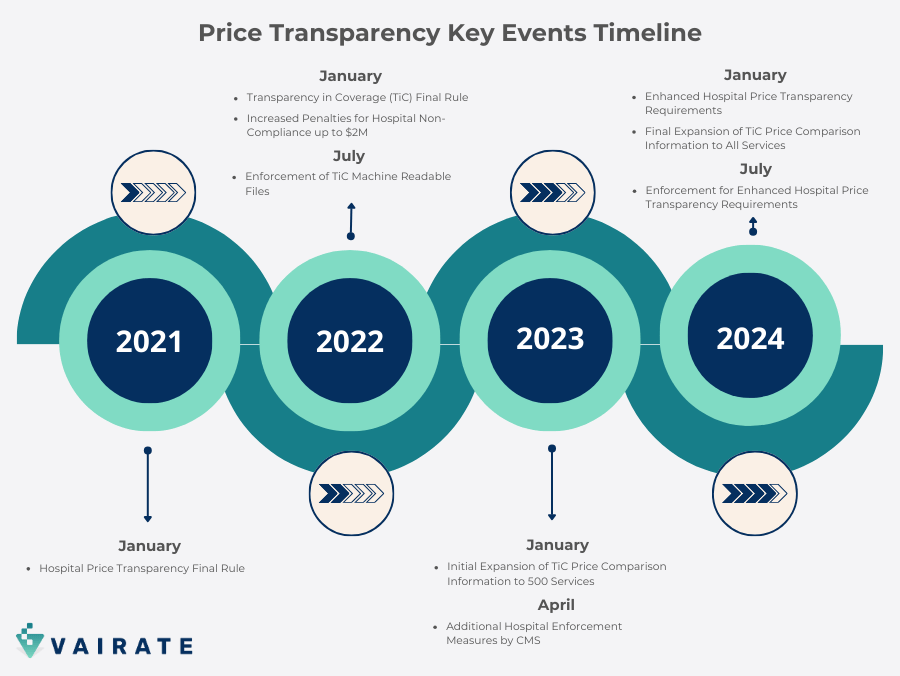
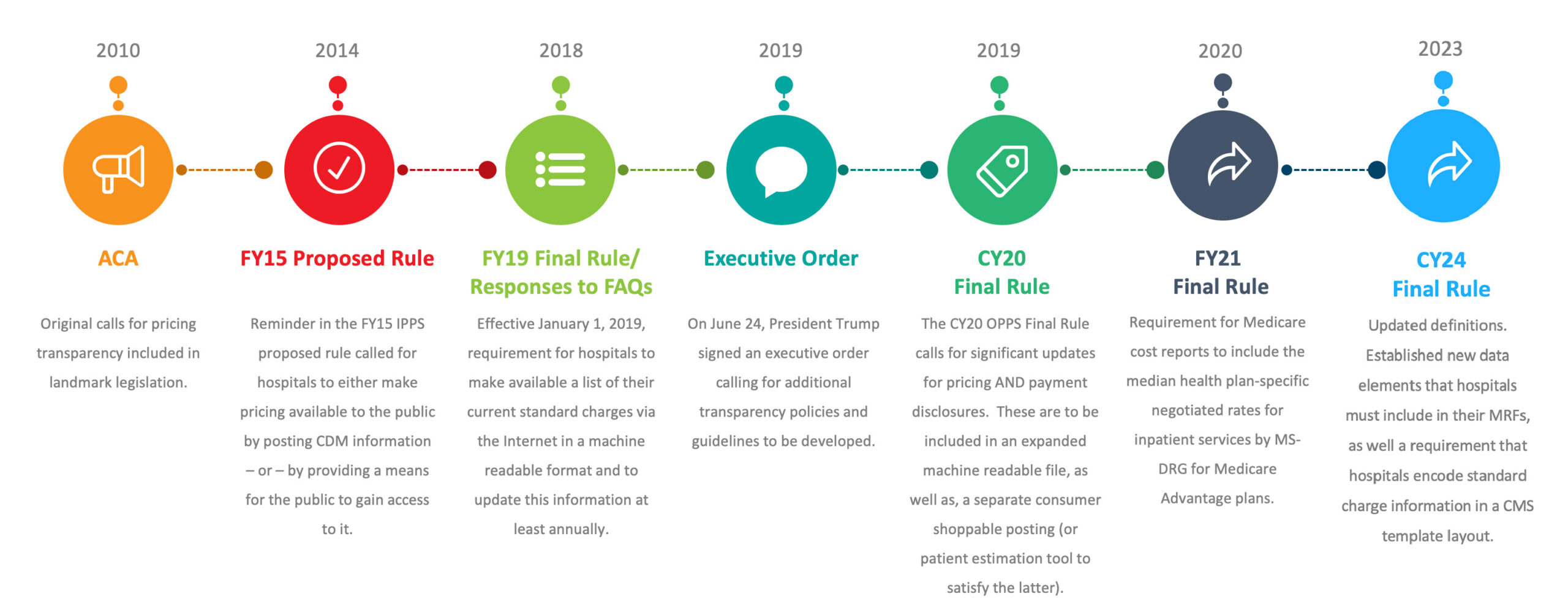
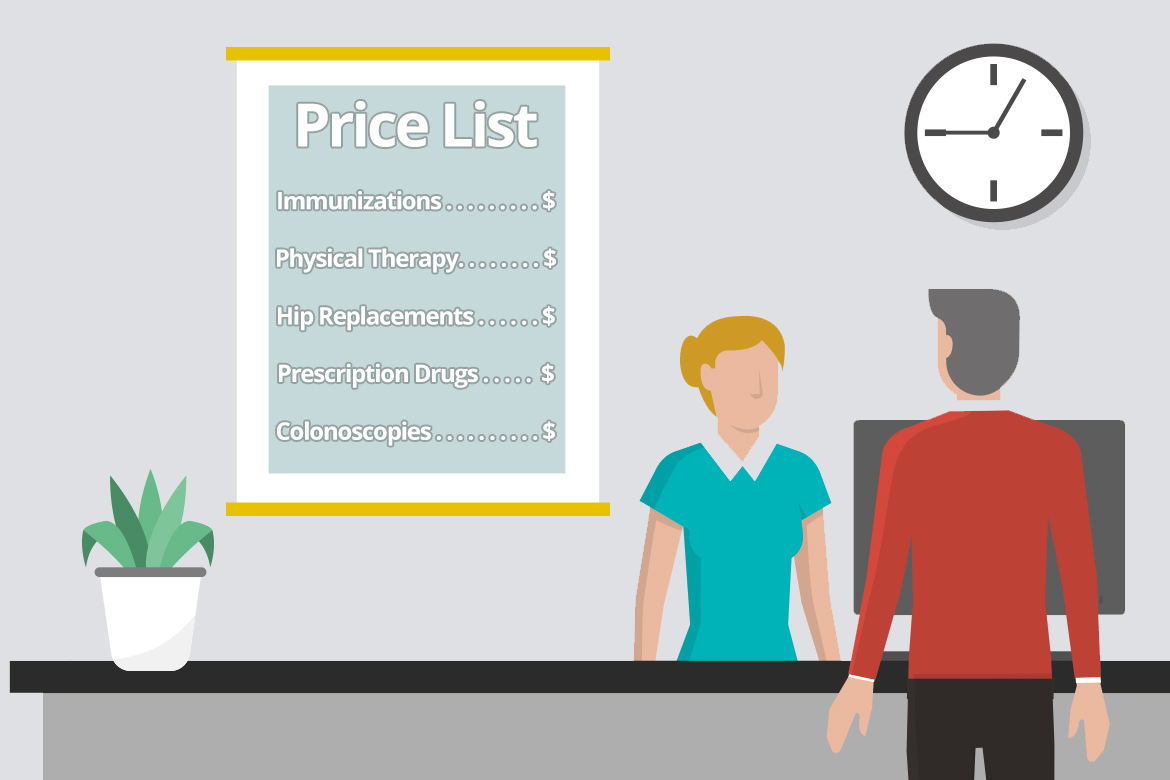
Navigating the financial side of medicine often feels overwhelming, but federal policies have shifted to give consumers much-needed clarity. Compliance with the Federal Hospital Price Transparency Rule requires institutions to publish standard charges online, including gross charges and discounted cash prices, empowering patients to evaluate **medical billing transparency reports** before booking non-emergency care.
Complementing this, the No Surprises Act shields patients from unexpected bills when receiving emergency services or care from out-of-network providers at in-network facilities. Understanding these protections ensures you can challenge unauthorized balance billing and advocate for your rights as a healthcare consumer.
2.2 Strategies for Cost Estimation and Financial Clarity
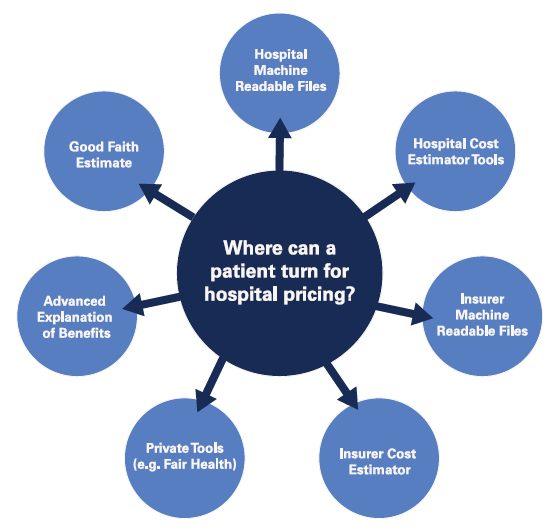
True financial clarity requires understanding how list prices differ from what you actually pay. Distinguishing between standard charges, negotiated insurance rates, and your personal out-of-pocket liabilities helps prevent sticker shock. For scheduled procedures, you have the right to request a Good Faith Estimates document detailing expected costs.
Additionally, leveraging online price estimator tools provided by your medical center allows you to model out-of-pocket expenses based on your specific insurance plan and deductible status. For broader insights on navigating your health coverage, review this guide on health plan interpretation and coverage to make informed financial decisions.
2.3 Addressing Data Limitations and Systemic Barriers
Despite federal rules, transparency isn’t always uniform across the healthcare landscape. The rapid growth of private equity and corporate ownership in medicine can sometimes complicate financial disclosures and obscure true operational metrics. Furthermore, persistent information gaps between urban and rural healthcare access create disparities in how easily patients can compare pricing and quality.
If a facility fails to disclose requested billing information or pricing details, consumers have recourse. You can file a formal complaint with federal oversight agencies or contact your state insurance commissioner to demand compliance and secure the transparency you deserve.
Navigating the complexities of the modern healthcare system can feel overwhelming, but understanding healthcare facility transparency changes the dynamic from passive participation to empowered choice. By looking closely at clinical outcomes, safety records, and financial disclosures, you equip yourself with the insights needed to make the best decisions for your health and your wallet. Remember that true transparency is a two-way street; combining public data with open dialogue with your providers ensures you receive safe, high-quality, and financially predictable care.
Taking a proactive approach to your medical journey begins with utilizing available tools, federal registries, and independent grading systems to vet your options before an emergency strikes. For deeper guidance on evaluating provider excellence and understanding your care options, explore our resource on how to find the best healthcare providers: a quality guide. Ultimately, advocating for clear communication, fair billing practices, and uncompromising safety standards not only protects you as an individual but also drives the entire healthcare industry toward greater accountability and excellence.