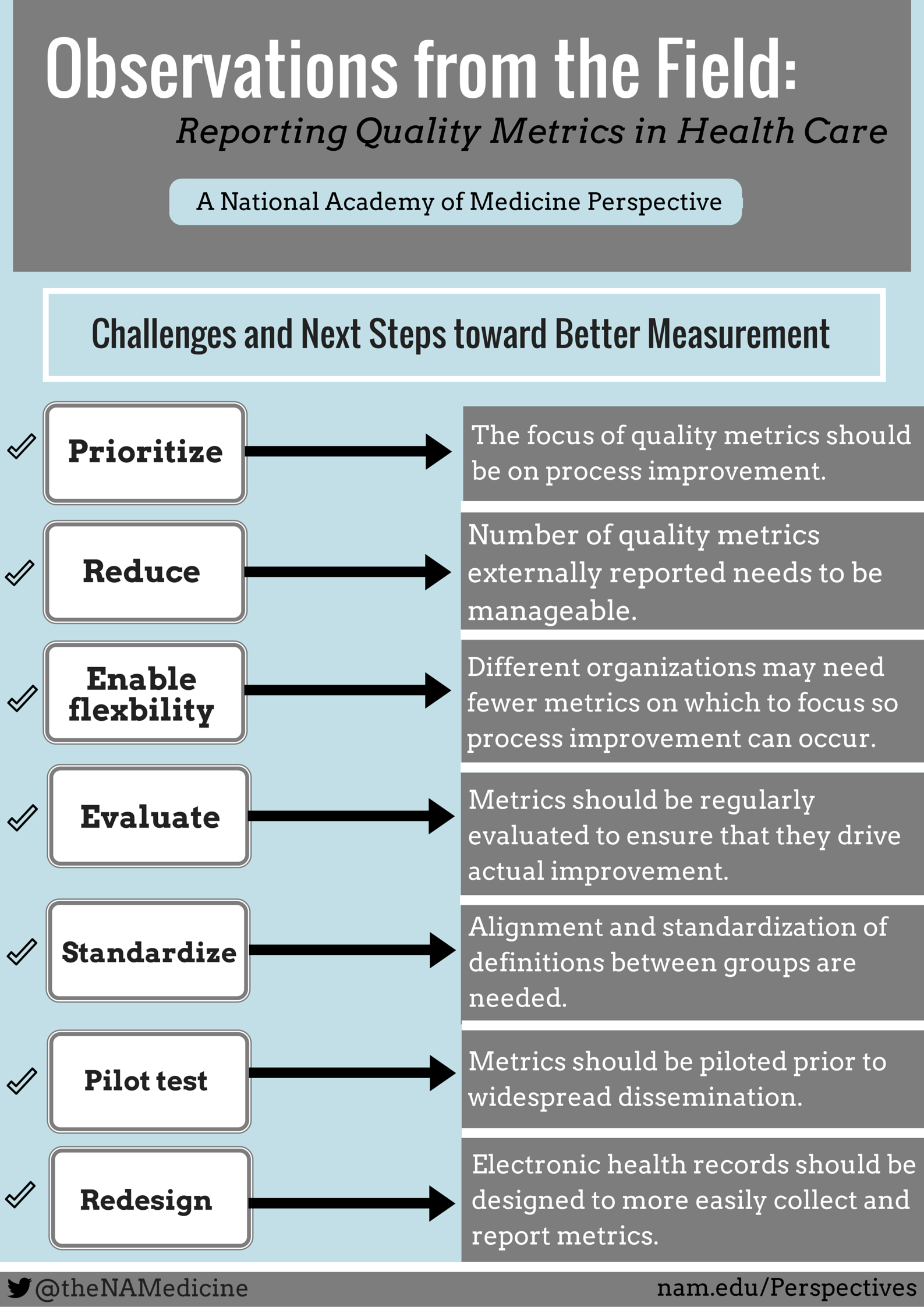

In today’s rapidly evolving medical landscape, understanding healthcare quality benchmarks is no longer just an administrative necessity—it is the foundation of patient safety and trust. Whether you are navigating your own care path or evaluating a medical institution, these metrics serve as the definitive yardstick for how well a facility manages patient outcomes, minimizes errors, and maintains operational integrity. By tracking evidence-based performance data, clinics can ensure that every procedure and interaction is aligned with the highest standards of modern medicine.
In this guide, we will explore how these benchmarks translate into real-world results. We will break down the essential pillars of clinical excellence, examine the rigorous requirements set by accreditation bodies, and discuss how data-driven strategies lead to superior clinical treatment outcomes. By the end of this article, you will have a clear understanding of the frameworks that define high-quality healthcare, empowering you to make informed decisions about the institutions that oversee your long-term wellness and medical care.
1. Navigating Healthcare Quality Benchmarks and Regulatory Frameworks
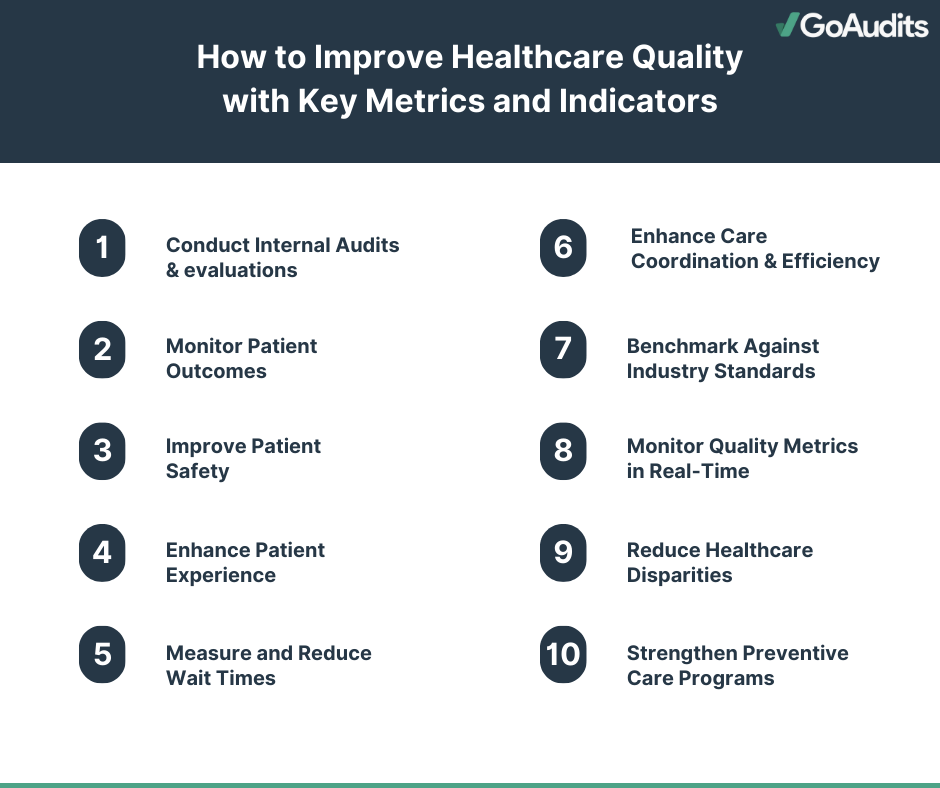
The landscape of modern medicine is defined by a rigorous commitment to standardization. Healthcare quality benchmarks serve as the essential yardstick for medical institutions, ensuring that every patient interaction is measured against evidence-based protocols. By moving beyond anecdotal success, these metrics allow facilities to quantify performance, identify gaps in care, and ultimately elevate the standards of medical excellence expected by patients and regulatory bodies alike.
1.1 Defining the Six Pillars of Healthcare Quality
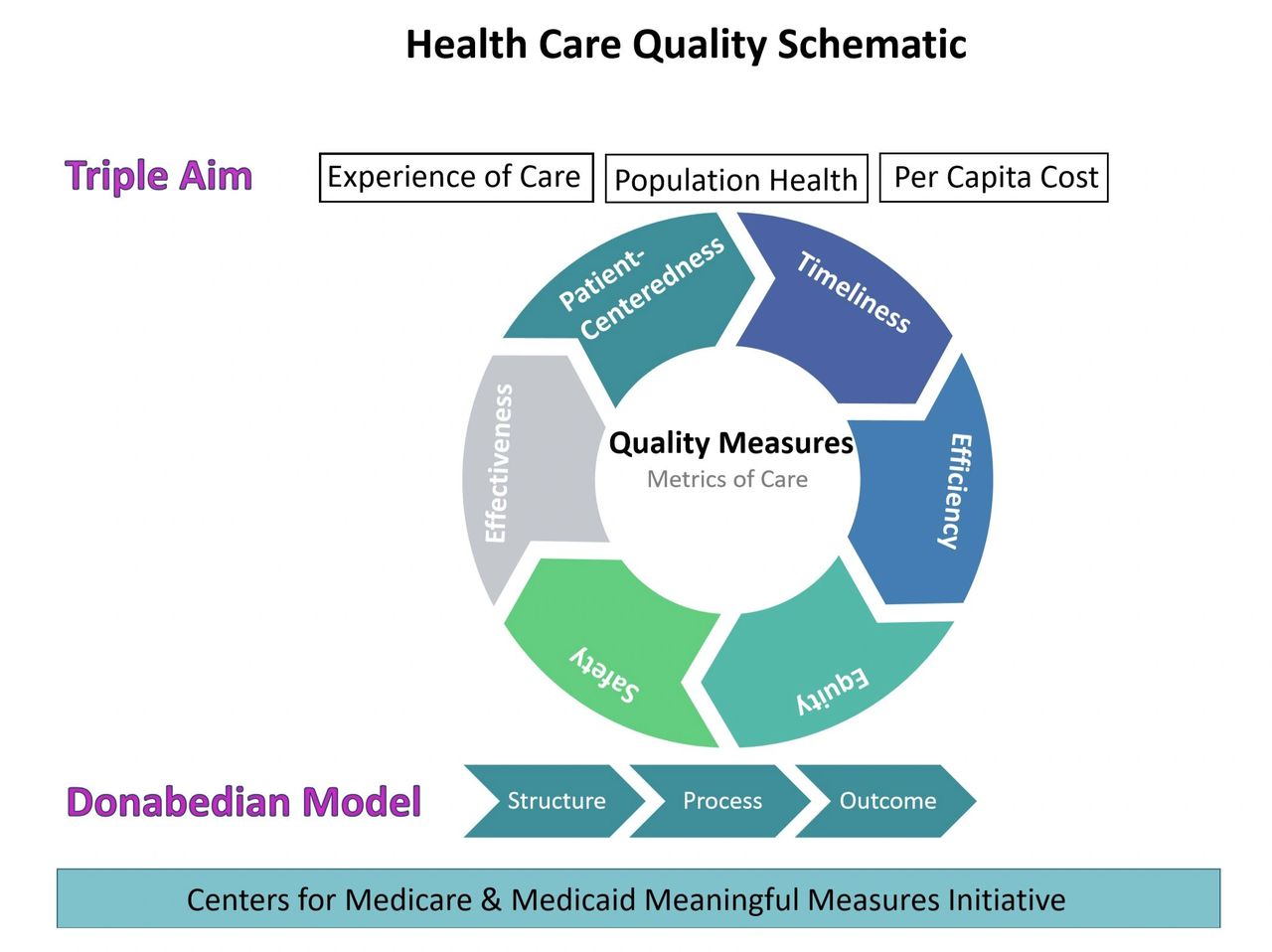
Quality in medicine is multifaceted, relying on six foundational pillars: safety, effectiveness, patient-centeredness, timeliness, efficiency, and equity. These domains create a comprehensive structure that prevents facilities from focusing on operational volume at the expense of genuine clinical outcomes.
1.1.1 Prioritizing patient safety and error reduction strategies
Safety is the primary prerequisite for any high-functioning medical environment. Organizations achieve this by implementing systemic error reduction strategies, such as standardized medication administration protocols and rigorous surgical checklists. These frameworks minimize the human factor in complex environments, ensuring that diagnostic and treatment processes are inherently resistant to avoidable mistakes.
1.1.2 Balancing clinical effectiveness with evidence-based medicine
Clinical effectiveness requires the consistent application of current, high-quality research to clinical practice. By adhering to clinical treatment outcomes, providers ensure that care plans are grounded in verified success rates rather than traditional or outdated habits. This balance ensures that treatments remain adaptive to new discoveries while maintaining stability for patient care.
1.1.3 Integrating patient-centered care and shared decision-making
Patient-centered care necessitates moving away from a paternalistic model toward a collaborative, shared decision-making process. By respecting individual patient preferences, values, and needs, healthcare providers improve health literacy and long-term adherence to chronic disease management. This approach validates the patient as a partner in their own recovery, which is a hallmark of quality-driven organizations.
1.2 Aligning with Accreditation Standards and Value-Based Reimbursement
Regulatory compliance is no longer just about meeting basic legal requirements; it is a strategic necessity. Healthcare facility accreditation compliance acts as the gold standard, providing external validation that an institution operates with high integrity.
1.2.1 Interpreting requirements from The Joint Commission and NCQA
Accreditation bodies like The Joint Commission and the National Committee for Quality Assurance (NCQA) establish rigorous criteria that serve as the baseline for institutional quality. These standards push facilities to document their processes clearly and prove that they maintain high safety standards in every department, from primary care clinics to inpatient surgical centers.
1.2.2 Analyzing the shift from fee-for-service to value-based care models
The healthcare industry is undergoing a paradigm shift from volume-based, fee-for-service billing toward value-based reimbursement. In this model, providers are incentivized to achieve better health outcomes rather than simply increasing the number of procedures performed. This transition demands a higher level of transparency and data management.
1.2.3 Utilizing ISO 7101 for robust quality management systems
ISO 7101 provides a specialized framework for healthcare quality management. By implementing these international standards, hospitals and clinics can systematically analyze their operational risks and create a culture of continuous improvement that transcends local regulatory requirements.
1.3 Establishing Data Integrity and Essential Performance Indicators
High-quality healthcare relies on the accurate collection and analysis of data. Without granular insight into performance metrics, leadership teams cannot make informed decisions regarding operational flow or patient safety initiatives.
1.3.1 Selecting actionable KPIs for clinical and operational success
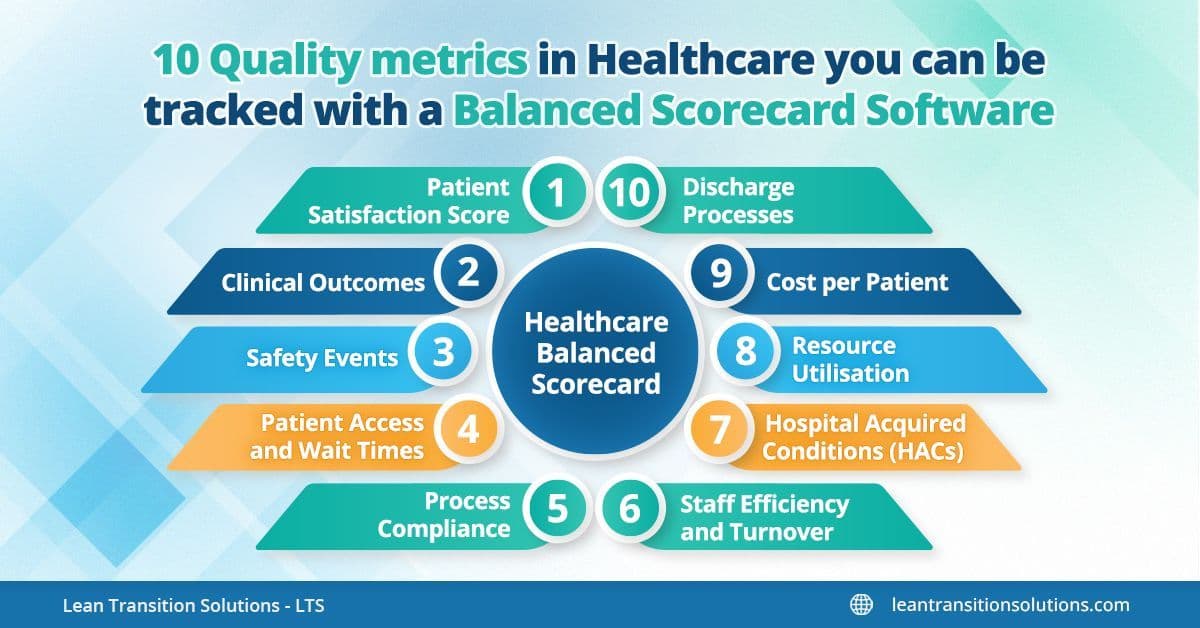
Selecting the right Key Performance Indicators (KPIs) is critical for operational success. Whether tracking readmission rates, infection control statistics, or appointment turnaround times, facilities must ensure these metrics are specific, measurable, and tied directly to patient wellbeing.
1.3.2 Standardizing HCAHPS scores and patient experience metrics
Patient experience metrics, such as HCAHPS (Hospital Consumer Assessment of Healthcare Providers and Systems), have become vital indicators of organizational health. By standardizing these surveys, administrators can capture the patient’s perspective, identifying areas where communication or facility comfort needs refinement.
1.3.3 Leveraging EHR infrastructure for accurate real-time reporting
The modern Electronic Health Record (EHR) infrastructure is the backbone of data integrity. By optimizing EHR workflows, providers ensure that clinical and administrative data are captured accurately at the point of care. This real-time visibility allows for patient care workflow optimization, ensuring that data is used to drive immediate improvements in patient outcomes rather than remaining siloed.
2. Driving Operational Excellence Through Advanced Quality Improvement Methodologies
2.1 Implementing Iterative Improvement Cycles for Clinical Outcomes
Achieving superior healthcare quality benchmarks requires more than static policies; it demands dynamic, iterative processes that evolve alongside medical evidence. To refine clinical treatment outcomes, many high-performing institutions rely on structured methodologies that turn observational data into actionable change.
2.1.1 Applying the PDSA cycle for continuous process refinement
The Plan-Do-Study-Act (PDSA) cycle is a cornerstone of quality improvement. By planning a small-scale change, executing it, studying the resulting metrics, and acting on the findings, clinical teams can test workflow adjustments without disrupting the entire system. This iterative approach allows for rapid refinement of care protocols while minimizing risk to patients.
2.1.2 Utilizing Lean Six Sigma to minimize systemic waste
Lean Six Sigma frameworks focus on streamlining patient care workflow optimization by identifying and eliminating non-value-added steps. Whether it is reducing the time between diagnostic testing and specialist consultation or standardizing supply usage, these methodologies prioritize efficiency. Reducing systemic waste directly improves throughput and allows clinical teams to dedicate more time to direct patient interaction.
2.1.3 Conducting Root Cause Analysis to prevent sentinel events
Root Cause Analysis (RCA) is a vital tool for examining the underlying factors that contribute to adverse events. Instead of focusing on individual error, an effective RCA looks at system-wide vulnerabilities. By identifying these systemic gaps, organizations can implement safeguard protocols that prevent recurring issues and bolster overall patient safety.
2.2 Strategies for Sustaining a High-Reliability Organization
A high-reliability organization (HRO) is defined by its ability to operate in complex, high-stakes environments with minimal error rates. Transitioning to this model requires a deep cultural shift that prioritizes constant awareness of potential failures.
2.2.1 Bridging the gap between compliance culture and safety culture
True operational excellence exists when staff view healthcare facility accreditation compliance not as a bureaucratic box-checking exercise, but as a commitment to patient safety. Leadership must foster an environment where reporting near-misses is encouraged rather than penalized, ensuring that safety becomes a shared institutional value rather than a top-down mandate.
2.2.2 Managing staff engagement and burnout during quality initiatives
Clinical operational excellence frameworks can only succeed if the workforce is supported. Continuous improvement cycles often place additional demands on staff. To sustain engagement, organizations must integrate quality initiatives into existing workflows rather than adding them as redundant tasks, ensuring that burnout is addressed through realistic goal-setting and transparent communication.
2.2.3 Scaling quality strategies for small practices versus large systems
While large hospital systems benefit from economies of scale and dedicated quality departments, smaller clinics must adopt more agile approaches. Small practices can achieve comparable excellence by focusing on highly specific, high-impact indicators that leverage their tighter team structures and personalized patient relationships.
2.3 Enhancing Care Management to Achieve Long-Term Excellence
Quality is best sustained when care management is proactive, holistic, and patient-centered, focusing on the entire continuum of the patient journey.
2.3.1 Coordinating multidisciplinary teams for holistic care delivery
Excellence is rarely the result of a single provider’s effort. Coordinating care across various specialties ensures that complex patients receive a cohesive experience. Effective multidisciplinary teams rely on shared access to data and clear communication channels to align their efforts toward the patient’s long-term health goals.
2.3.2 Incorporating patient-reported outcome measures into clinical workflows
To truly understand success, clinicians must integrate patient-reported outcome measures (PROMs) directly into their evaluation processes. These metrics provide a unique perspective on a patient’s quality of life and functional status, offering a subjective data point that complements traditional clinical indicators.
2.3.3 Optimizing care transitions to minimize readmission rates
The period following discharge is a critical vulnerability point for patient safety. High-performing facilities optimize care transitions by ensuring seamless information flow between hospital staff, primary care physicians, and the patient. Proactive follow-up scheduling and clear medication reconciliation are essential tactics in preventing avoidable readmissions and sustaining quality improvements over time.
Ultimately, healthcare quality benchmarks serve as more than just regulatory checklists; they are the bedrock of a safe, effective, and patient-centered medical environment. By prioritizing clinical treatment outcomes and embracing rigorous operational excellence frameworks, medical institutions can move beyond simple compliance toward a culture of high reliability. Whether your focus is on refining care transitions, reducing diagnostic errors, or optimizing internal workflows, the path to sustained excellence requires a commitment to data-driven decision-making and continuous improvement.
As the landscape of medicine shifts toward value-based care, your ability to track, analyze, and act upon these performance indicators will define your success. Remember that behind every data point is a patient seeking better health and peace of mind. If you are looking to better understand how your current medical services align with these standards, we encourage you to review our comprehensive guide on medical service quality and how to evaluate patient feedback. By integrating these practices into your daily operations, you can foster an environment where clinical efficacy and the patient experience are always aligned, ensuring the best possible outcomes for everyone involved.