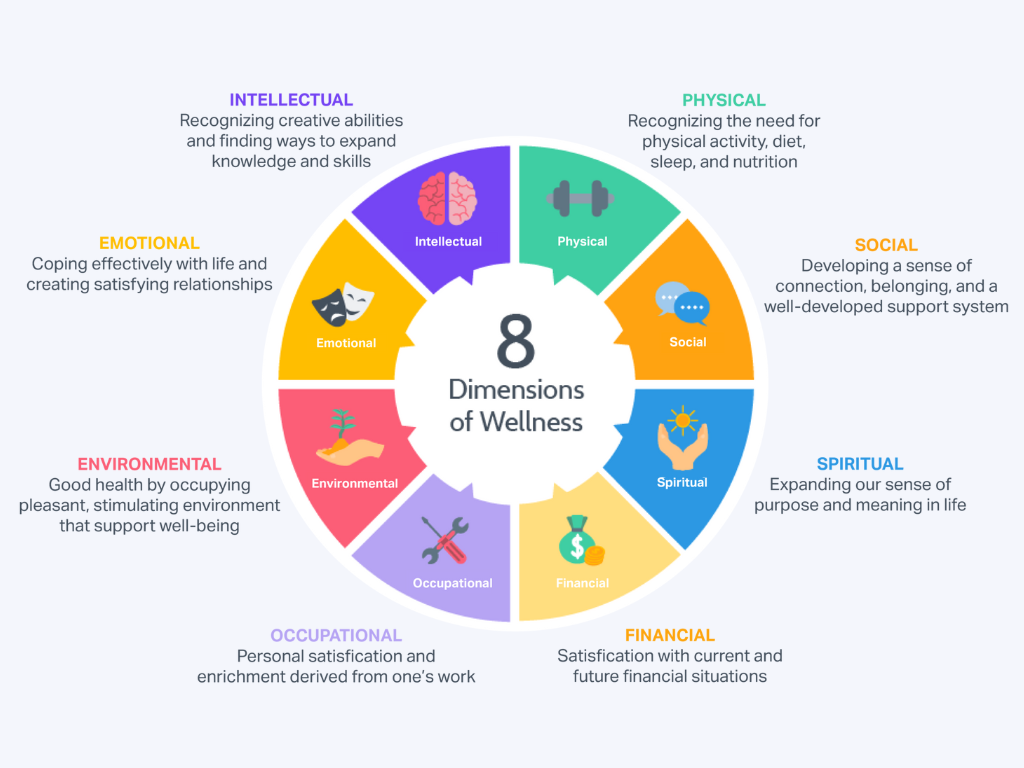

Navigating modern wellness often feels like piecing together a complex puzzle without a picture on the box. Between conflicting dietary advice, fitness trends, and the daily pressures of a fast-paced life, achieving true physical and mental vitality requires more than random lifestyle tweaks. This is where developing a comprehensive holistic health strategy becomes essential for anyone looking to move beyond temporary fixes and build lasting wellness. Rather than treating isolated symptoms, a well-designed wellness roadmap honors the intricate connections between your daily habits, physiological health, and mental state.
Whether you are seeking personalized health guidance to address stubborn fatigue or looking to future-proof your overall wellness, understanding how to coordinate your physical, emotional, and environmental inputs is key. In this complete guide, you will learn how to audit your current lifestyle, integrate foundational pillars of self-care, and execute a sustainable strategy that supports your long-term vitality.
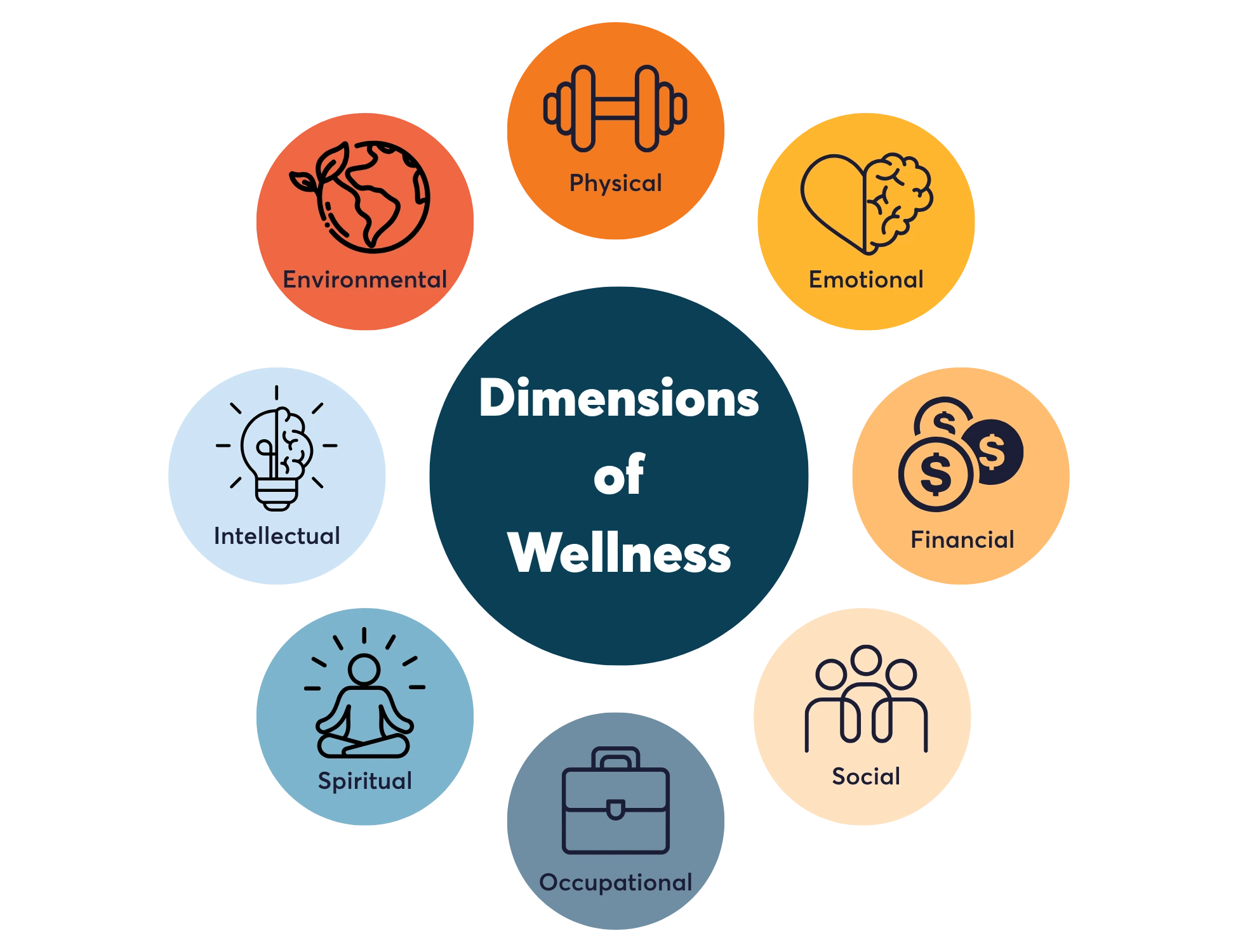
1. Designing Your Personal Holistic Health Strategy: Core Pillars and Assessment
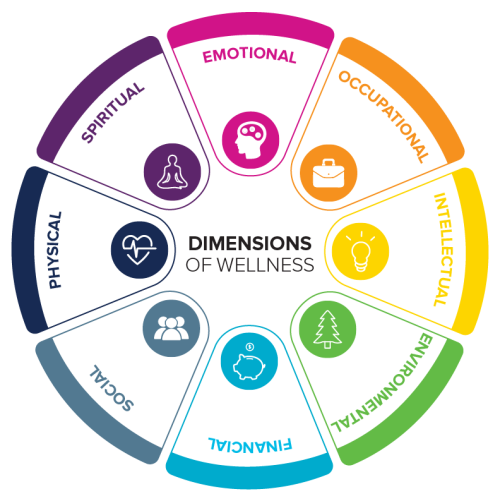
1.1 Understanding the Holistic Paradigm and Bio-Individuality
1.1.1 Moving from Reactive Symptom Management to Proactive Prevention
Traditional medicine often focuses on treating symptoms after they appear. In contrast, a robust holistic health strategy shifts your focus toward root causes and early intervention. By anticipating imbalances before they manifest as chronic conditions, you take control of your long-term vitality. Incorporating a personalized health guidance approach ensures your preventive efforts align with your unique genetic predispositions and daily habits.
1.1.2 The Science of Interconnectedness: How Mind, Body, and Spirit Influence Physiology
Your physiological systems do not operate in isolation. Neurological, endocrine, and immune pathways constantly communicate, meaning mental stress or emotional burdens directly alter physical health markers like cortisol levels and gut microbiome diversity. Recognizing this deep interconnectedness allows you to design wellness protocols that simultaneously support mental clarity and physical resilience.
1.2 Conducting a Comprehensive Wellness Audit
1.2.1 Identifying Energy Drains and Chronic Stressors in Your Environment
A thorough assessment begins by auditing your daily surroundings. Chronic physical stressors—such as poor indoor air quality, ergonomic mismatches, and noise pollution—drain your cellular energy reserves over time. Pinpointing these hidden friction points in your home and workplace gives you actionable targets to modify your environment for better recovery.
1.2.2 Mapping Nutritional Gaps and Physical Activity Baselines
Objectively evaluating your current nutrition and movement habits is essential for progress. Look beyond calorie counting to assess micronutrient density, hydration patterns, and weekly movement variability. Establishing these realistic baselines helps you formulate an evidence-based nutrition intervention tailored specifically to your metabolic needs.
1.3 Establishing Your Foundation Across the Four Pillars
1.3.1 Optimizing Physical Health Through Nutrient-Dense Whole Foods and Restorative Sleep
Physical vitality rests heavily on high-quality nutrition and deep, restorative sleep architecture. Prioritizing whole, unprocessed foods supplies the essential cofactors your cells need for energy production and tissue repair. Pairing this nutritional foundation with consistent sleep hygiene optimizes hormonal balance, cellular detoxification, and immune defense.
1.3.2 Cultivating Mental and Emotional Resilience via Mindfulness and Boundary Setting
Mental well-being requires active maintenance. Incorporating daily mindfulness practices, such as structured breathwork or meditation, helps regulate the nervous system and dampens the physiological fight-or-flight response. Equally important is learning to set firm interpersonal and professional boundaries, which protects your emotional energy from unnecessary depletion.
1.3.3 Integrating Spiritual Connection and Purpose-Driven Daily Practices
Spiritual health involves cultivating a profound sense of meaning, purpose, and connection to something larger than oneself. Whether through time spent in nature, journaling, community service, or quiet reflection, nurturing this dimension fosters a deep sense of inner calm that directly supports your physical and emotional equilibrium.
2. Executing and Sustaining Your Holistic Health Strategy
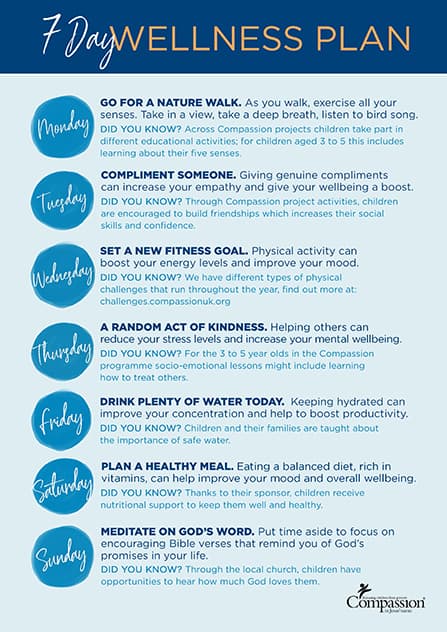
Transitioning a wellness plan from an abstract idea into daily life requires practical systems that minimize friction and prevent burnout. Designing a robust holistic health strategy means bridging the gap between theoretical knowledge and real-world execution. Instead of overhauling your entire routine overnight, success relies on deliberate, structured execution that respects your current lifestyle constraints and biological rhythms.
2.1 Building Sustainable Micro-Habits for Long-Term Vitality
Lasting transformation rarely comes from drastic, overnight changes. By integrating small, manageable adjustments into your day, you create momentum that supports long-term health span optimization planning without overwhelming your schedule.
2.1.1 Designing Morning and Evening Protocols to Regulate Circadian Rhythms
Your biological clock dictates everything from hormone production to cellular repair. Establishing a consistent morning routine—such as viewing natural sunlight within an hour of waking and engaging in gentle movement—signals cortisol production to boost daytime alertness. Conversely, an evening wind-down protocol that limits artificial blue light and lowers ambient temperature helps optimize melatonin synthesis for deep, restorative rest.
2.1.2 Implementing Incremental Lifestyle Changes to Avoid Decision Fatigue
Willpower is a finite resource. When you rely solely on daily motivation to make healthy choices, decision fatigue often leads to fallback patterns. Instead, automate your daily wellness choices by prepping meals ahead, laying out workout gear the night before, and anchoring new habits to established routines, such as practicing breathwork immediately after brewing your morning tea.
2.2 Integrating Complementary Modalities and Professional Support
Navigating your wellness journey does not mean you have to go it alone. Combining conventional wisdom with specialized guidance ensures your approach remains safe, effective, and tailored to your unique physiology.
2.2.1 Leveraging Functional Medicine and Direct Primary Care Practitioners
Working with practitioners who look beyond surface-level symptoms allows for a deeper understanding of your internal health. For actionable insights, reviewing personalized health guidance can help you identify root causes of fatigue or inflammation, ensuring your wellness plan is backed by clinical data rather than guesswork.
2.2.2 Utilizing Evidence-Based Modalities Including Acupuncture, Breathwork, and Botanical Support
Integrative care bridges the gap between conventional medicine and time-tested therapeutic traditions. Incorporating evidence-based modalities like targeted acupuncture for nervous system regulation, structured breathwork to manage acute stress, and customized botanical support can significantly enhance your body’s innate healing capacity.
2.3 Navigating Modern Barriers to Holistic Consistency
Life is inherently unpredictable, and rigid wellness routines often crumble under the weight of busy work weeks, family obligations, and unexpected stress. True consistency requires flexibility rather than perfection.
2.3.1 Managing Holistic Health Within the Constraints of Busy Schedules and Financial Realities
Prioritizing well-being does not require an expensive gym membership or hours of daily meal prep. Focus on high-return, low-cost interventions such as prioritizing sleep quality, taking brisk walks during breaks, and utilizing budget-friendly whole foods to maintain your momentum without financial or time strain.
2.3.2 Overcoming Perfectionism and Social Pressures Through Flexible Strategy Adaptation
The all-or-nothing mindset is one of the biggest threats to a sustainable wellness journey. Missing a workout or eating a processed meal does not invalidate your progress. Cultivating psychological flexibility allows you to adapt your routine during demanding life seasons without abandoning your long-term goals.
2.4 Tracking Progress Beyond the Scale
Traditional metrics like body weight often fail to capture the true breadth of physiological improvement. Evaluating your progress through a comprehensive lens keeps motivation high and highlights areas that require fine-tuning.
2.4.1 Measuring Success via Energy Levels, Mental Clarity, and Emotional Stability
True vitality shows up in how you feel throughout the day. Pay attention to qualitative markers such as sustained afternoon energy, freedom from brain fog, improved stress resilience, and the ease with which you fall asleep at night. These subjective metrics are often the most reliable indicators of internal balance.
2.4.2 Adjusting Your Routine Based on Seasonal Shifts and Life Phases
Your physiological needs change depending on the time of year, your age, and your current life demands. Periodically auditing your wellness habits ensures your routine evolves alongside you, supporting optimal health across every chapter of life.
Embracing a comprehensive **holistic health strategy** means shifting your mindset away from quick fixes and temporary band-aids, moving instead toward a lifelong journey of proactive wellness. By weaving together personalized health guidance, evidence-based nutrition intervention, and mindful daily habits, you build a resilient foundation that supports your body’s natural capacity to heal and thrive. True vitality doesn’t happen overnight; it is cultivated through consistent, small choices that honor the intricate connection between your physical body, mental clarity, and emotional well-being.
As you step forward on your wellness journey, remember that your needs will naturally evolve alongside seasonal shifts and different phases of life. Staying flexible, tuning into your body’s subtle signals, and collaborating with knowledgeable practitioners will ensure your routine remains aligned with your long-term goals. To deepen your understanding of how to tailor these practices to your unique biology, explore this personalized health guidance roadmap. Take charge of your well-being today, celebrate your progress beyond the scale, and commit to nurturing a vibrant, balanced life for years to come.