

When you are facing a significant medical procedure, the weight of choosing the right facility can feel overwhelming. Patients often search for leading surgery and treatment hubs in hopes of finding a place that balances advanced technology with compassionate, high-quality care. However, navigating the landscape of modern medicine requires more than just looking at a hospital’s proximity or its reputation. To ensure your safety and improve your chances of a successful recovery, you must look beneath the surface at objective data, such as surgical success rates and safety protocols.
In this guide, we will break down the essential factors that define top-tier medical facilities. You will learn how to evaluate accredited healthcare facilities using industry benchmarks and understand why integrated care is vital for complex treatments. By moving beyond marketing claims and focusing on measurable clinical treatment outcomes, you can make an empowered decision that aligns with your specific health needs, ensuring you receive the highest standard of care available when it matters most.

1. Identifying Leading Surgery and Treatment Hubs Based on Clinical Excellence and Safety Standards
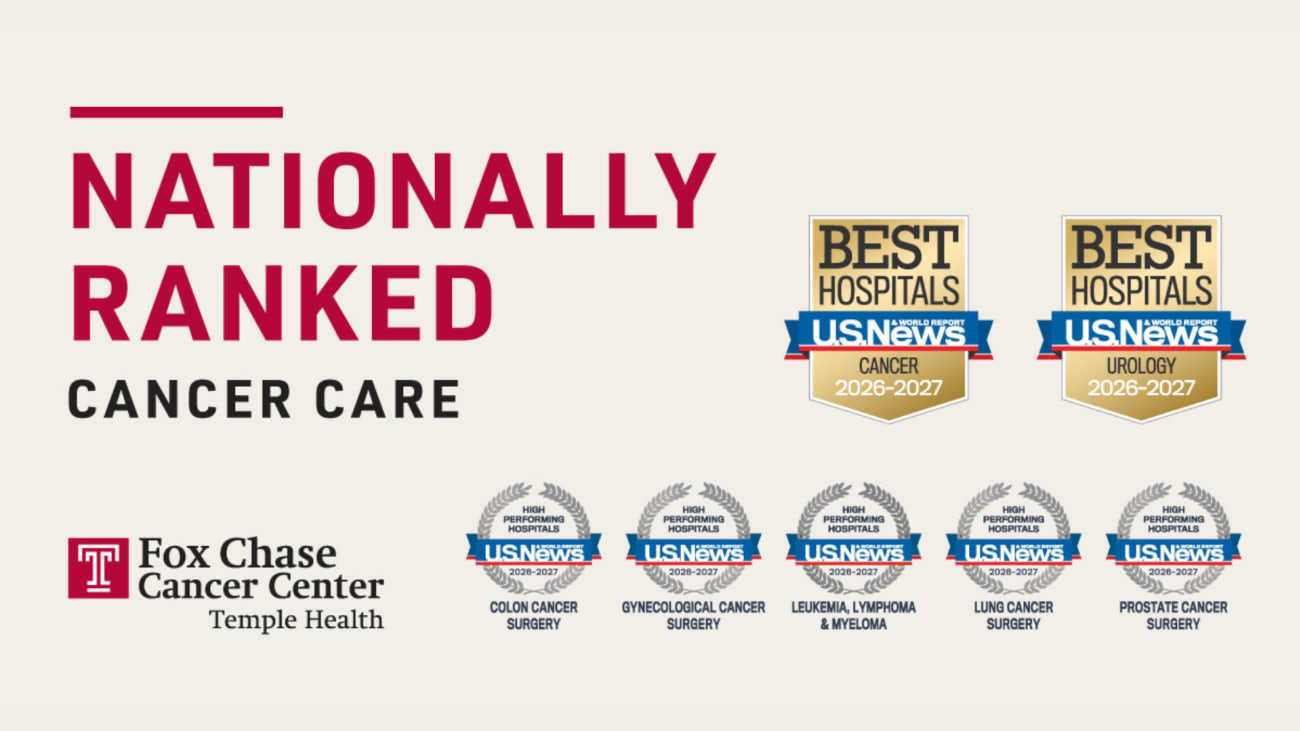
When you are navigating complex medical decisions, identifying the right facility is arguably the most critical step in your healthcare journey. Not all hospitals or surgery centers are built to the same clinical standards, and selecting the right venue can significantly influence your long-term health outcomes. By focusing on verified safety records and objective performance markers, you can cut through the noise and find a partner in care that prioritizes your safety.
1.1 Evaluating Critical Quality Metrics and Facility Performance
1.1.1 Interpreting Leapfrog Safety Grades and CMS Star Ratings
Publicly available data, such as The Leapfrog Group’s hospital safety grades and the Centers for Medicare & Medicaid Services (CMS) star ratings, serve as essential benchmarks. These systems evaluate facilities on their ability to prevent errors, accidents, and infections. A high rating often signals that a hospital has robust systems in place to protect patients from harm, providing a reliable starting point for your research.
1.1.2 Understanding the Correlation Between High Surgical Volumes and Reduced Complication Rates
Medical literature consistently demonstrates that high-volume centers—those that perform a large number of specific procedures—tend to achieve superior results. When a surgical team performs a procedure daily rather than monthly, they develop a level of expertise that naturally reduces errors. Choosing a multi-disciplinary medical hub that specializes in your particular condition ensures that the staff is well-versed in the latest techniques and potential complications associated with your surgery.
1.1.3 Analyzing Facility-Specific Infection Rates and Readmission Statistics
Beyond broad ratings, you should look at granular performance data, including surgical site infection rates and unplanned 30-day readmission statistics. These metrics act as a mirror reflecting the quality of post-operative care and sterile processing. A facility that openly tracks and works to lower these numbers demonstrates a high level of accountability and a commitment to maintaining rigorous clinical treatment outcomes.
1.2 The Role of Infrastructure and Medical Technology
1.2.1 Advancements in Robotic-Assisted Surgery and Minimally Invasive Platforms
Modern surgical hubs invest heavily in state-of-the-art technology to enhance precision. Robotic-assisted platforms, for instance, allow surgeons to perform complex procedures through smaller incisions, often leading to faster recovery times and less postoperative pain. When evaluating a potential site, confirm whether they utilize advanced platforms that align with current industry standards for your specific procedure.
1.2.2 The Significance of Specialized Sterile Processing and Dedicated Surgical Units
A surgical suite is only as safe as its sterile processing department. Leading facilities maintain dedicated, high-tech environments for sterilizing instruments, ensuring the highest adherence to infection control protocols. Dedicated surgical units also mean that your care team is focused solely on pre- and post-operative recovery, away from the unpredictable emergency traffic found in general hospital wards.
1.2.3 Availability of Advanced Diagnostic Imaging and Real-Time Intraoperative Support
High-tier treatment centers rely on advanced diagnostic imaging, such as high-resolution MRI or intraoperative CT scans, to guide surgeons in real-time. The immediate availability of these tools minimizes surgical duration and increases accuracy, which is essential for complex neurosurgical or orthopedic interventions where precision is paramount.
1.3 Staffing Standards and Clinical Support Systems
1.3.1 Why Nurse-to-Patient Ratios Directly Influence Post-Operative Safety
The human element remains the most significant factor in patient safety. Facilities that maintain favorable nurse-to-patient ratios ensure that your vital signs, wound care, and pain management are monitored closely. Adequate staffing levels prevent staff burnout and ensure that even subtle changes in your condition are noticed immediately by qualified professionals.
1.3.2 The Impact of Multidisciplinary Rehabilitation Teams on Long-Term Recovery
Recovery does not end the moment the surgery is finished. The best medical hubs integrate physical therapists, occupational therapists, and pain management specialists directly into the recovery workflow. This holistic approach ensures that your transition from surgery to rehabilitation is seamless and guided by experts who understand your unique medical history.
1.3.3 Evaluating the Presence of Board-Certified Anesthesiologists and Critical Care Support
Access to board-certified anesthesiologists is non-negotiable for safe surgery. These specialists manage your physiological stability throughout the operation, tailoring anesthesia to your specific health profile. Furthermore, the presence of a dedicated critical care team provides a vital safety net, ensuring that expert medical support is available immediately should any unforeseen complications arise during your stay.
2. Navigating the Selection Process for Leading Surgery and Treatment Hubs
2.1 Practical Steps for Patient-Led Facility Due Diligence
When you are facing a significant medical procedure, taking an active role in vetting your options is essential for your peace of mind and physical recovery. Start by coordinating recommendations with your primary care physician and specialists. These professionals often possess internal insights regarding which multi-disciplinary medical hubs demonstrate the highest standards of integrated care. Relying solely on convenience can be a mistake; instead, prioritize facilities that have established a reputation for managing your specific health condition successfully.
Once you have a list of potential centers, you must carefully navigate insurance coverage. Confirm which facilities are within your network to avoid unexpected financial burdens, but don’t stop there. Contact the billing department to verify if the specific surgeons and anesthesiologists you are considering are also covered under your policy, as surprise out-of-network bills often occur at otherwise high-performing hospitals.
Finally, factor in the logistics. For major surgeries, recovery is often as important as the procedure itself. Assess the availability of on-site lodging for family members and the accessibility of specialized rehabilitation services. By proactively reviewing the accreditation of healthcare facilities, you ensure that you are selecting a partner for your health journey that meets rigorous national safety benchmarks.
2.2 Assessing Patient-Centric Experiences and Communication
A leading facility is defined by more than just its technology; it is defined by how it listens to its patients. You can gauge this by utilizing HCAHPS (Hospital Consumer Assessment of Healthcare Providers and Systems) survey data, which offers standardized, public reports on patient satisfaction. Look specifically for ratings regarding doctor communication, nurse responsiveness, and the clarity of discharge instructions.
Transparency is a critical marker of a high-quality team. If you encounter resistance when asking about the facility’s clinical treatment outcomes or specific complication rates, take note. A red flag in any surgical consultation is a team that avoids discussing risks or dismisses your concerns about bedside manner. You deserve a partner who views you as a participant in your own care.
If you have any doubt about the necessity or the proposed approach, always utilize second opinions. A top-tier facility will support your desire to validate a diagnosis or surgical plan. Seeking a second opinion is not a slight against your primary doctor; rather, it is a sound strategy to ensure you are receiving the most evidence-based care available for your circumstances.
2.3 Addressing Common Questions and Decision-Making Concerns
Many patients wonder how to weigh the choice between a regional surgery hub and a local community hospital. Regional hubs often function as centers of excellence, meaning they house high-volume specialists and advanced technologies that community hospitals may not support. If your procedure is complex or requires unique expertise, a regional hub is generally the safer choice.
You may also worry about the impact of travel on your recovery. While distance can add stress, the short-term burden of travel is often outweighed by the long-term benefits of receiving care at a facility with higher success rates. A slightly longer drive is a reasonable trade-off if it guarantees a lower readmission risk or access to advanced center of excellence certification standards.
Before finalizing your decision, prepare a list of key inquiries for your pre-surgical consultation. Ask the surgeon how many times they have performed this specific procedure in the last year, what their personal infection rates are, and what the post-operative support process looks like. Asking these pointed questions will reveal the depth of the center’s commitment to patient safety and clinical excellence.
Selecting among leading surgery and treatment hubs is one of the most significant decisions you can make for your health and recovery. By prioritizing objective data—such as clinical treatment outcomes, safety grades, and specialized certifications—you move beyond guesswork and toward evidence-based care. Remember that the best facility for your needs is one that balances advanced infrastructure with a clear, patient-centric approach to communication and long-term support.
As you navigate this process, always look for accredited healthcare facilities that demonstrate a commitment to transparency and multidisciplinary collaboration. Whether you are reviewing multi-disciplinary medical hubs or verifying a center of excellence certification, your diligence acts as a safeguard for your physical well-being. For a deeper understanding of how to evaluate these institutions, you can refer to our guide on choosing leading medical centers to ensure you feel confident in your path to recovery. Your health journey deserves nothing less than the highest standard of care, backed by data and supported by a team that puts your needs first.