
Navigating the United States healthcare system can often feel like trying to decode a moving target, especially when it comes to understanding the true cost and quality of medical services. For decades, patients have scheduled procedures, visited clinics, and undergone diagnostic tests without having a clear picture of what the final bill would look like or how the facility measured up against clinical safety benchmarks. Fortunately, the ongoing push for healthcare facility transparency is fundamentally shifting control back into the hands of consumers, empowering them to make more informed choices about their health and finances.
Understanding these shifts requires looking beyond basic marketing materials to evaluate hard metrics like patient satisfaction ratings, standardized safety records, and comprehensive pricing data. Whether you are managing a chronic condition, planning an elective surgery, or simply trying to avoid unexpected out-of-pocket expenses, knowing how to interpret federal mandates and digital pricing tools is essential. In this guide, we will break down everything you need to know about regulatory standards, practical cost-estimation tools, and your rights as an empowered healthcare consumer in the modern medical landscape.
1. Understanding Healthcare Facility Transparency and Regulatory Standards
1.1 Defining Price and Quality Transparency in the United States
Navigating the American healthcare system often feels like trying to read a map written in a foreign language. For decades, patients received medical care with virtually no way of knowing the final cost beforehand. Today, healthcare facility transparency changes that dynamic by requiring hospitals and clinics to openly publish pricing data, safety records, and official patient satisfaction ratings. This regulatory shift empowers individuals to act as informed consumers rather than passive recipients of care.
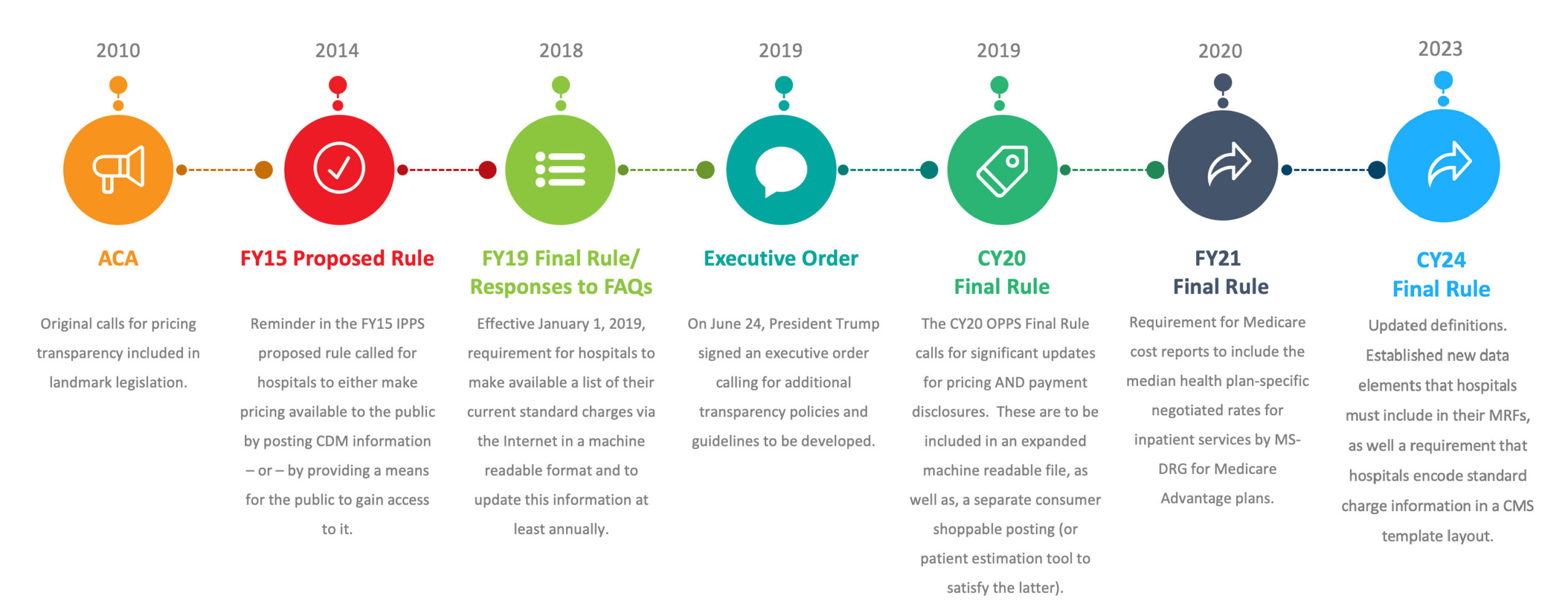
1.1.1 Evolution of Federal Hospital Price Transparency Mandates
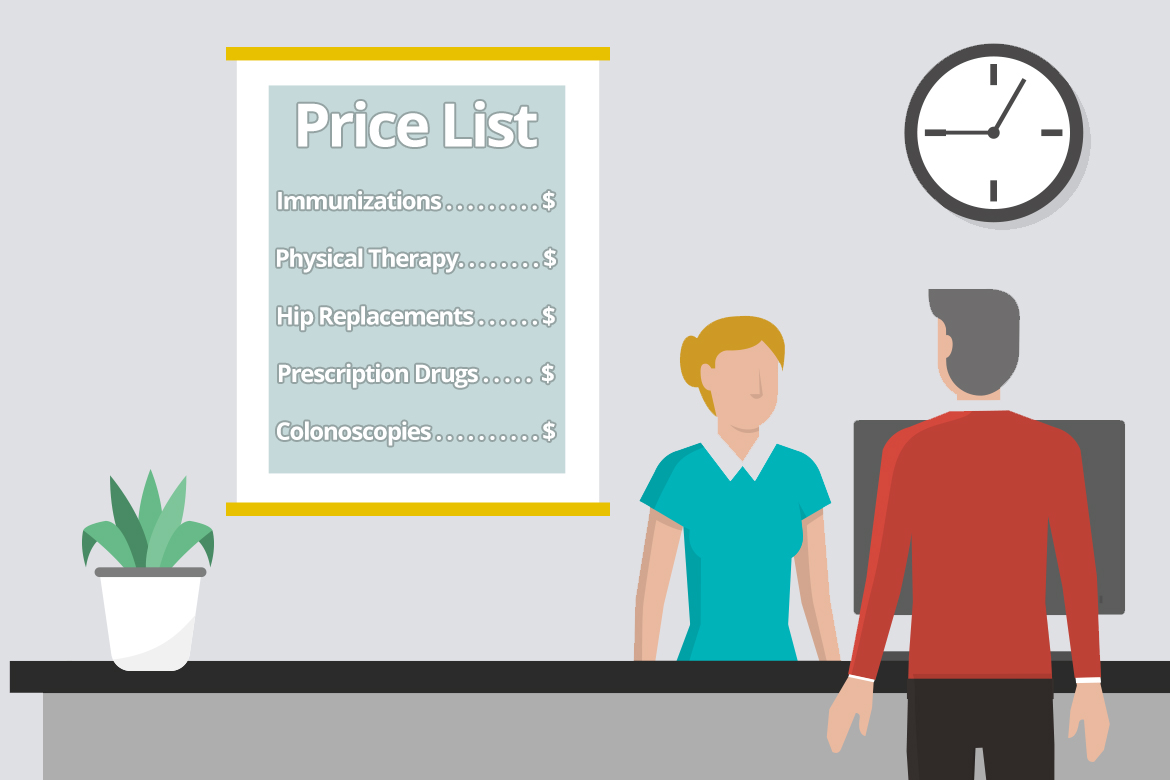
The push for clear healthcare pricing did not happen overnight. Federal regulations have progressively tightened requirements for hospitals operating across the United States. Initially, facilities were only asked to make generic charge masters available upon request. Modern federal mandates now require hospitals to publish machine-readable files detailing all standard charges, alongside consumer-friendly displays of at least 300 shoppable services, making comparison shopping genuinely possible for the average patient.
1.1.2 Distinguishing Between Gross Charges, Discounted Cash Prices, and Negotiated Rates
Understanding transparency data requires knowing the distinct financial categories hospitals publish. Gross charges represent the baseline sticker price set by a facility before any discounts or insurance adjustments are applied. Conversely, discounted cash prices offer a reduced rate for patients paying entirely out of pocket without insurance coverage. Negotiated rates are the specific prices hospitals have pre-arranged with commercial insurance carriers, which often dictate the true cost of care.
1.1.3 The Significance of Quality Metrics and Patient Outcome Reporting
Price transparency means very little if the care provided compromises safety. Alongside financial data, modern transparency standards mandate the reporting of clinical quality metrics, infection rates, and readmission statistics. Reviewing a clinic patient safety record helps patients evaluate whether a lower price tag correlates with substandard medical outcomes or superior care delivery.
1.2 The Strategic Importance of Transparency for Patient Financial Health
Financial toxicity remains a leading source of stress for American households facing medical emergencies or chronic conditions. When transparency rules function as intended, they serve as a protective barrier against unexpected debt. Knowing expected costs in advance allows patients to plan budgets, explore alternative treatment locations, or apply for financial assistance programs before receiving care.
1.2.1 Mitigating Medical Debt and Preventing Surprise Billing
Surprise medical bills frequently occur when patients receive out-of-network care at in-network facilities, often during emergencies. Federal consumer protections, paired with mandatory facility disclosures, help mitigate these sudden financial shocks. By reviewing medical billing transparency reports, patients can better anticipate out-of-pocket liabilities and identify billing discrepancies before they escalate into collections.
1.2.2 Strengthening the Patient-Provider Relationship Through Data
Open access to pricing and quality metrics fosters an environment of mutual trust between medical providers and the people they treat. When healthcare facilities openly share their performance data, it signals a commitment to ethical operations. Patients feel more respected when they can openly discuss costs and clinical options with their physicians without fear of hidden fees.
1.2.3 Utilizing Transparency to Reduce Total Cost of Care
Market competition thrives when consumers can easily compare prices. By utilizing transparency tools, patients can choose high-value facilities that offer superior clinical outcomes at competitive rates. This consumer choice naturally incentivizes healthcare systems to optimize operational efficiencies and keep care affordable across the board.
1.3 Leveraging Technology and AI in Healthcare Pricing Systems
The sheer volume of healthcare data makes manual price comparisons nearly impossible. To bridge this gap, health tech innovators are deploying advanced digital tools that process complex pricing files and translate them into intuitive consumer dashboards. Technology bridges the gap between raw government mandates and practical, everyday patient usability.
1.3.1 The Role of Algorithms in Pricing and Data Aggregation
Behind many modern healthcare cost-estimation tools lie sophisticated algorithms capable of aggregating massive sets of hospital data. These systems factor in geographical location, specific insurance plan networks, and deductible statuses to generate personalized cost projections. By automating data collection, algorithms transform chaotic machine-readable files into actionable insights.
1.3.2 Assessing the Trustworthiness of Digital Health Transparency Tools
While digital health tools offer immense convenience, patients must evaluate their reliability. Trustworthy platforms clearly cite their data sources, disclose whether they receive commercial sponsorship from specific health systems, and update their pricing information regularly. Verifying the credibility of these digital resources ensures that financial planning decisions rely on accurate, up-to-date information.
2. Practical Applications of Healthcare Facility Transparency for Patients

2.1 Navigating Tools and Procedures for Cost Estimation
Modern healthcare consumers no longer need to navigate medical costs blindly. Learning how to effectively use digital resources empowers patients to take control of their medical expenses before stepping foot into a facility. By understanding these systems, you can prepare for upcoming procedures with confidence and financial clarity.
2.1.1 Step-by-Step Guide to Utilizing Online Hospital Price Estimators
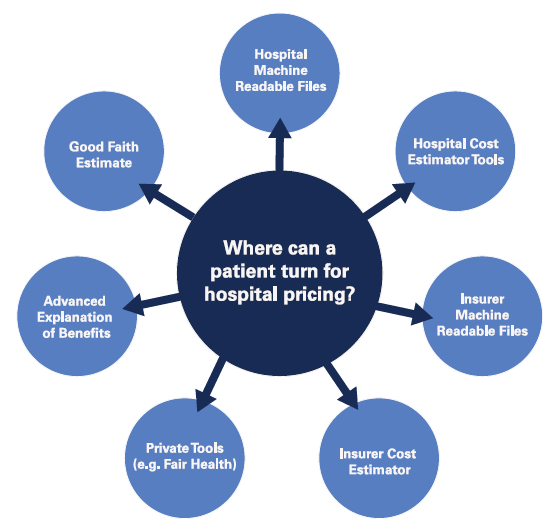
Most U.S. hospitals now provide digital pricing tools on their websites to comply with federal regulations. To get the most accurate results, gather your insurance card, CPT (Current Procedural Terminology) billing codes from your doctor, and the specific facility name. Input these details into the hospital’s estimator tool to view standardized rates, estimated out-of-pocket expenses, and facility fees.
2.1.2 Requesting and Verifying a Good Faith Estimate Under the No Surprises Act
If you are uninsured or choose to pay out-of-pocket for non-emergency care, federal law requires providers to supply a Good Faith Estimate (GFE). When you schedule a service at least three business days in advance, request this document in writing. Review it carefully to ensure all expected charges—including physician fees, lab work, and facility usage—are itemized correctly.
2.1.3 Evaluating Costs Across Multiple Facilities and Providers
Medical pricing can vary wildly depending on where you receive care. Independent imaging centers and outpatient surgical clinics frequently charge significantly less for the same procedure than large hospital networks. Comparing estimates across multiple locations can yield substantial savings on elective diagnostics and routine surgeries.
2.2 Exercising Patient Rights and Advocacy in the Modern Healthcare Landscape
Knowing your rights is the first step toward effective healthcare advocacy. Federal and state regulations provide a legal framework designed to protect patients from deceptive billing practices and ensure access to critical safety and pricing data.
2.2.1 Understanding Federal and State-Level Transparency Legal Protections
Legislation such as the Hospital Price Transparency Rule and the No Surprises Act establishes clear mandates for healthcare providers. These laws require public disclosure of standard charges and protect consumers from balance billing during emergency medical situations or when treated by out-of-network providers at in-network facilities.
2.2.2 Identifying Non-Compliance and Filing Formal Complaints Against Facilities
Despite federal mandates, some clinics and hospitals fail to publish comprehensive pricing data or patient satisfaction ratings. If a facility withholds required information or surprises you with unlisted charges, you can report them directly to the Centers for Medicare & Medicaid Services (CMS) or your state’s department of insurance.
2.2.3 Dispute Resolution Strategies for Opaque Billing and Unexpected Charges
If you receive a medical bill that contradicts your Good Faith Estimate or violates transparency rules, act promptly. Contact the facility’s billing department to request an itemized statement, reference your statutory protections, and utilize formal federal independent dispute resolution processes if negotiations stall.
2.3 Addressing Frequently Asked Questions About Healthcare Facility Transparency
Navigating medical bills and facility disclosures often raises complex questions. Clear answers can help demystify the financial and clinical data you encounter.
2.3.1 Explaining the Core Differences Between Gross Charges and Negotiated Rates
Gross charges represent the hospital’s official sticker price, which is rarely what anyone actually pays. Conversely, negotiated rates are the discounted prices agreed upon between hospitals and private health insurance companies, reflecting the true market value of the care provided.
2.3.2 Navigating Statutory Rights to Pre-Procedure Cost Estimates
Patients have a legal right to request detailed cost projections prior to receiving non-urgent medical services. Exercising this right allows you to evaluate Medical Insurance Claim Optimization Advice to ensure maximum reimbursement and minimal out-of-pocket exposure.
2.3.3 Reporting Facilities for Failure to Publish Required Data
Consumers can help enforce industry compliance by submitting online non-compliance complaints through the official CMS hospital price transparency portal when facilities fail to provide machine-readable files or consumer-friendly display options.
2.3.4 Clarifying the Scope of Transparency Laws for Urgent Care and Outpatient Settings
While federal price transparency rules initially targeted traditional hospitals, evolving regulations increasingly encompass outpatient surgical centers and independent diagnostic facilities, ensuring broader consumer access to pricing data across various clinical environments.
Navigating the United States healthcare system no longer has to feel like walking through a financial and clinical fog. Driven by federal mandates and a growing consumer demand for accountability, healthcare facility transparency is fundamentally shifting power back into the hands of patients. Armed with accessible pricing data, standardized safety metrics, and clear legal protections under regulations like the No Surprises Act, individuals can make deeply informed choices regarding their health and financial well-being.
True empowerment begins with utilizing these tools before scheduling medical procedures. By carefully reviewing medical billing transparency reports, evaluating official patient satisfaction ratings, and insisting on written cost estimates, you can protect yourself from unexpected debt while ensuring you receive high-standard clinical care. Healthcare transparency is a continuous journey of patient advocacy, and taking an active role in evaluating your providers ensures a safer, more predictable healthcare experience for you and your family.