

In today’s interconnected digital medical ecosystem, safeguarding sensitive health data is a fundamental pillar of medical ethics and legal compliance. Implementing rigorous patient privacy protection audits has transformed from a routine administrative checklist into a vital defense mechanism against sophisticated cyber threats and escalating regulatory penalties. As medical practices increasingly transition toward digital record-keeping and remote telehealth solutions, the vulnerability of protected health information (PHI) grows exponentially. Consequently, healthcare organizations must look beyond basic administrative policies and proactively evaluate their operational frameworks to ensure complete confidentiality.
This guide explores the essential components needed to establish robust internal reviews, navigate complex regulatory mandates, and foster a culture of accountability. By prioritizing ongoing evaluation—much like the standard protocols applied during a medical practice peer review—medical providers can better protect patient trust, mitigate legal exposure, and maintain absolute integrity across all clinical and digital touchpoints.
1. Understanding the Necessity of Patient Privacy Protection Audits in Modern Healthcare
Safeguarding sensitive medical data is no longer just a regulatory checkbox for hospitals and private practices; it is a foundational pillar of modern clinical governance. As medical networks become increasingly digitized, patient privacy protection audits serve as an essential diagnostic tool to uncover hidden vulnerabilities before they manifest as costly data breaches or compliance violations. By systematically evaluating internal protocols, healthcare providers can ensure that sensitive information remains confidential while maintaining the operational openness expected by regulatory bodies and the public alike.
1.1 The Regulatory Landscape and Compliance Frameworks
Navigating the complex ecosystem of medical regulations requires a meticulous approach to data governance. Healthcare administrators must constantly balance federal mandates with state-level updates to ensure their institutions remain fully compliant.
1.1.1 Navigating the Interplay Between HIPAA and HITECH Requirements
The Health Insurance Portability and Accountability Act (HIPAA) sets the baseline for safeguarding Protected Health Information (PHI), but the Health Information Technology for Economic and Clinical Health (HITECH) Act significantly raises the stakes. HITECH expands enforcement, increases penalties for willful neglect, and tightens breach notification rules. A thorough audit framework must bridge the gap between HIPAA Privacy and Security Rules and HITECH mandates, ensuring that administrative controls evolve alongside digital health records.
1.1.2 Adapting to Evolving State Privacy Legislation
Beyond federal mandates, state-level privacy laws are introducing even stricter guidelines regarding consumer health data. Facilities must adapt their compliance strategies to meet these localized demands, often requiring enhanced healthcare facility transparency to build trust and demonstrate strict adherence to regional consumer protection statutes.
1.2 The True Cost of Non-Compliance and Data Exposure
Failing to protect patient data carries severe repercussions that extend far beyond immediate monetary fines, deeply impacting an organization’s long-term viability and standing in the community.
1.2.1 Quantifying Financial Penalties and Federal Enforcement Actions
Federal investigations by the Office for Civil Rights (OCR) can result in multi-million-dollar settlements for organizations found negligent in their data protection practices. Beyond direct fines, the cost of forensic investigations, legal representation, mandatory corrective action plans, and potential class-action lawsuits can financially cripple mid-sized medical practices and straining hospital networks.
1.2.2 Managing Reputational Risk and Maintaining Patient Trust
When a data exposure occurs, the erosion of patient trust is often more damaging than the regulatory fine. Patients expect absolute confidentiality when sharing intimate health details. A public breach shatters this confidence, leading to patient attrition and long-lasting reputational damage that takes years to repair.
1.3 Core Pillars of a Patient Privacy Protection Audit
Establishing an effective review mechanism demands a clear understanding of what constitutes a true privacy audit versus standard IT security evaluations.
1.3.1 Differentiating Between Privacy Compliance and Security Risk Assessments
While often grouped together, privacy audits and security risk assessments focus on different domains. Security assessments typically target technical defenses—such as firewalls, encryption, and malware protection—to stop unauthorized intrusions. In contrast, privacy audits evaluate how and why data is collected, used, shared, and stored, focusing heavily on patient rights, authorization forms, and staff handling practices.
1.3.2 Defining the Scope of Protected Health Information (PHI) Across Digital Ecosystems
In today’s interconnected environment, PHI exists far beyond physical paper charts and traditional electronic health record (EHR) databases. It spans mobile health applications, patient portal messages, cloud storage backups, and wearable device integrations. A comprehensive privacy audit must map these digital touchpoints to ensure every byte of patient data remains protected against unauthorized access or accidental disclosure.
Conducting and Optimizing Patient Privacy Protection Audits for Organizational Resilience

Achieving true organizational resilience in modern healthcare requires moving beyond superficial compliance checks and embedding systematic privacy evaluations directly into daily operations. When medical institutions perform structured patient privacy protection audits, they proactively identify vulnerabilities before federal regulators or malicious actors expose them. This systematic approach transforms privacy from a static administrative burden into a dynamic pillar of clinical governance.
2.1 Operationalizing the Internal Audit Lifecycle
Successfully evaluating confidentiality protocols demands a repeatable framework that covers every facet of the enterprise. Organizations must view internal evaluations as an ongoing lifecycle rather than an annual checklist item.
2.1.1 Strategic Planning and Defining Scope for Comprehensive Coverage
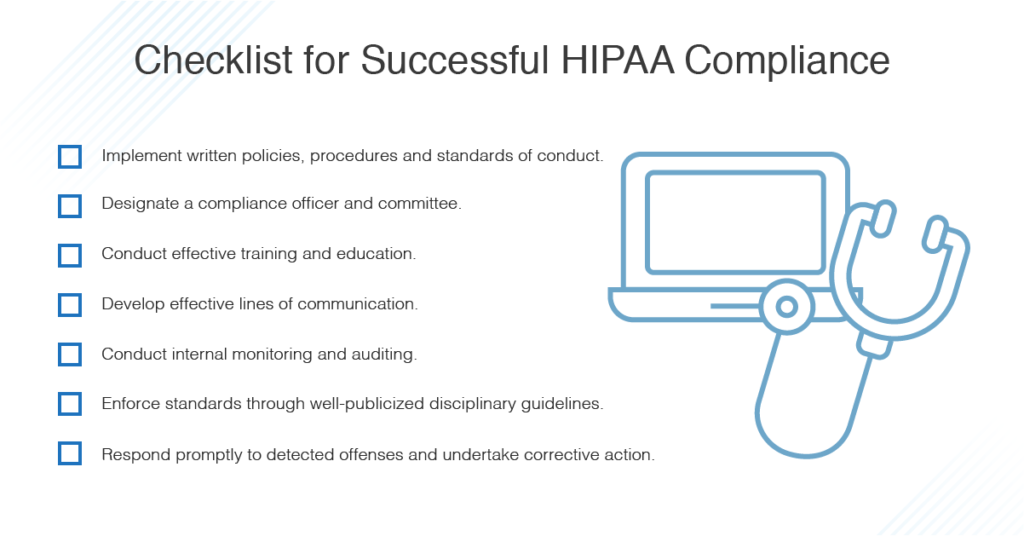
Strategic planning begins by mapping every entry point where protected health information enters, flows through, and exits the facility. Compliance teams must establish clear parameters that dictate which departments, physical facilities, and digital networks fall under the current assessment window. Defining a comprehensive scope ensures that high-risk zones, such as outpatient check-in desks and centralized data centers, receive rigorous scrutiny.
2.1.2 Evaluating Administrative, Physical, and Technical Safeguards
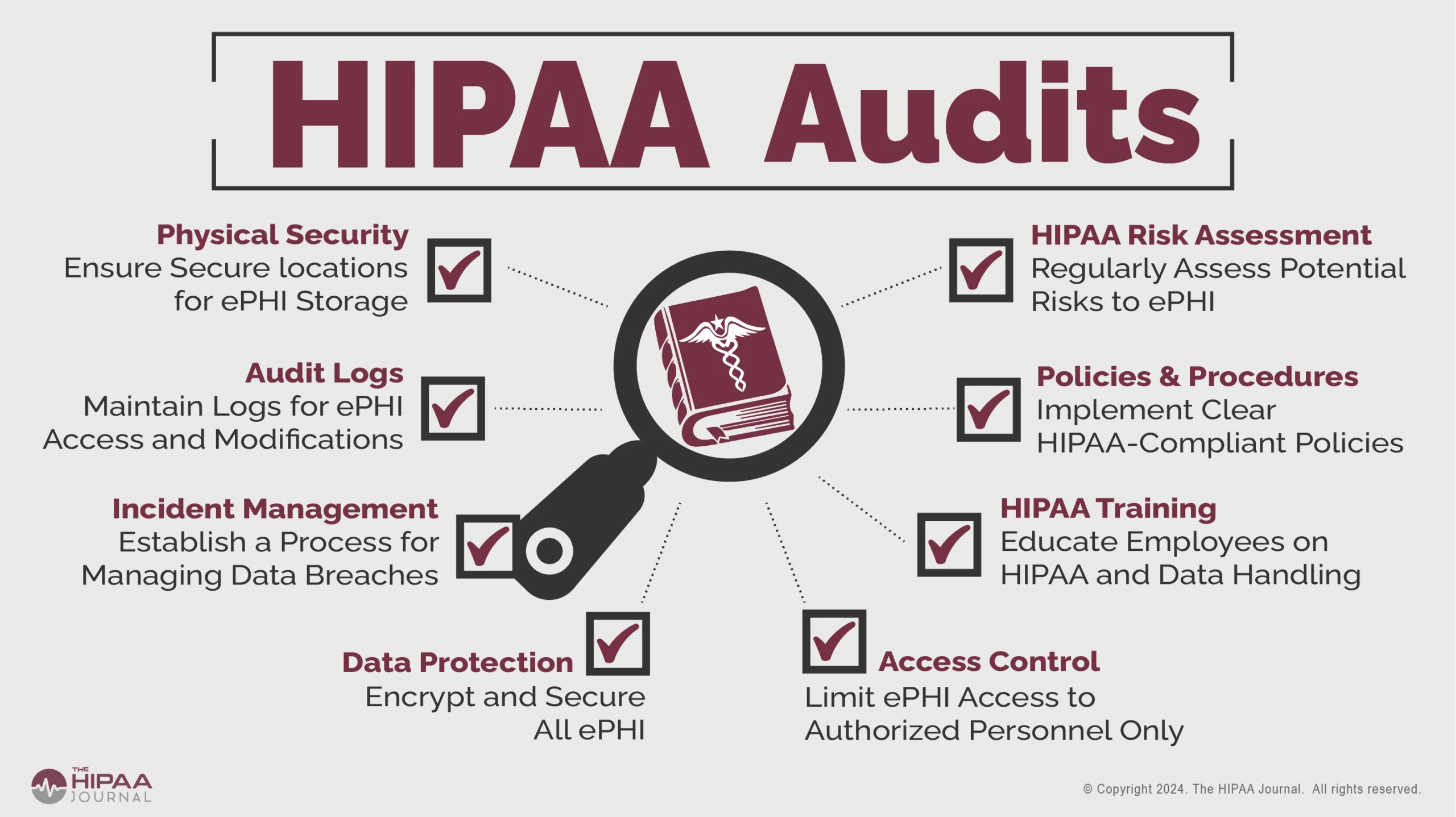
A thorough evaluation must balance all three dimensions of the security framework. Administrative reviews inspect privacy policies, staff training logs, and sanction policies. Physical walkthroughs examine workstation positioning, server room access controls, and the secure disposal of paper charts. Simultaneously, technical evaluations test encryption standards, firewall configurations, and multi-factor authentication protocols across all network endpoints.
2.1.3 Executing Systematic Documentation Reviews and Staff Interviews
Verification relies heavily on cross-examining written policies against actual everyday practices. Reviewing audit logs, access authorization forms, and incident response histories provides a factual baseline. Conducting unannounced spot-checks and confidential staff interviews reveals whether front-line personnel truly understand their responsibilities regarding healthcare facility transparency and patient confidentiality.
2.2 Developing Effective Corrective Action Plans (CAPs)
Identifying vulnerabilities holds little value if the institution fails to remediate them swiftly and permanently. Structured Corrective Action Plans serve as the bridge between discovering a compliance gap and achieving total remediation.
2.2.1 Analyzing Vulnerabilities and Identifying Root Causes of Non-Compliance
When an internal review uncovers a procedural failure, investigators must dig deeper than the surface symptom. Determining whether a data exposure occurred due to software limitations, inadequate training, or deliberate circumvention of security controls allows leadership to implement targeted, lasting fixes.
2.2.2 Prioritizing Remediation Based on Risk Impact and Resource Allocation
Not every vulnerability poses an identical threat to patient confidentiality. Compliance officers must rank identified gaps based on potential severity, likelihood of exploitation, and regulatory exposure. This risk stratification ensures that limited financial and human resources focus immediately on high-impact exposures.
2.2.3 Monitoring Continuous Improvement and Long-Term Audit Readiness
Remediation is never a one-time event. Leadership must establish key performance indicators to track the progress of ongoing CAPs. Maintaining long-term audit readiness requires continuous oversight, periodic re-testing of fixed controls, and a culture that encourages transparent reporting of near-misses.
2.3 Addressing Advanced Compliance Risks in a Digital Era
Modern healthcare delivery relies heavily on interconnected digital ecosystems, which introduce complex regulatory challenges that traditional auditing methods often miss.
2.3.1 Securing Telehealth Platforms and Remote Workforce Access
The rapid expansion of virtual care and remote administrative staff has decentralized protected health information. Audits must evaluate the end-to-end encryption of video consultation software, virtual private network security, and whether remote workers utilize secure, private environments when handling patient records.
2.3.2 Managing Business Associate Agreements (BAAs) and Third-Party Vendor Risks
Third-party software vendors, cloud storage providers, and billing contractors represent significant vectors for potential data exposure. Compliance teams must audit all active Business Associate Agreements to verify that external partners adhere to the same rigorous data protection standards enforced internally.
2.3.3 Auditing Electronic Health Record (EHR) Logs for Unauthorized Access
Electronic Health Record platforms generate exhaustive audit trails that record every instance of viewing, editing, or exporting patient files. Regular automated and manual reviews of these access logs help compliance officers detect unusual browsing patterns, such as staff viewing celebrity charts or family member profiles without a clinical need.
2.3.4 Mitigating Data Privacy Risks Associated with Artificial Intelligence and Big Data
The integration of machine learning algorithms and big data analytics into clinical workflows creates unprecedented privacy puzzles. Audits must examine how patient datasets are anonymized or de-identified before feeding algorithms, ensuring that predictive tools do not inadvertently re-identify individuals or violate patient consent agreements.
Safeguarding protected health information is a continuous responsibility that demands vigilance, adaptability, and a proactive culture of accountability within any medical environment. Patient privacy protection audits serve as much more than a routine regulatory checkbox; they are essential diagnostic tools that reveal vulnerabilities before they can lead to costly data breaches or eroded public confidence. By systematically evaluating administrative, physical, and technical safeguards, organizations can better shield sensitive records from evolving cyber threats and unauthorized internal access.
Ultimately, achieving long-term compliance requires leadership commitment, regular staff training, and rigorous clinical service evaluation to ensure privacy protocols seamlessly align with daily medical operations. As digital health ecosystems expand to embrace advanced telehealth solutions and artificial intelligence, maintaining robust oversight will remain a foundational cornerstone of safe, trustworthy, and patient-centered healthcare delivery.