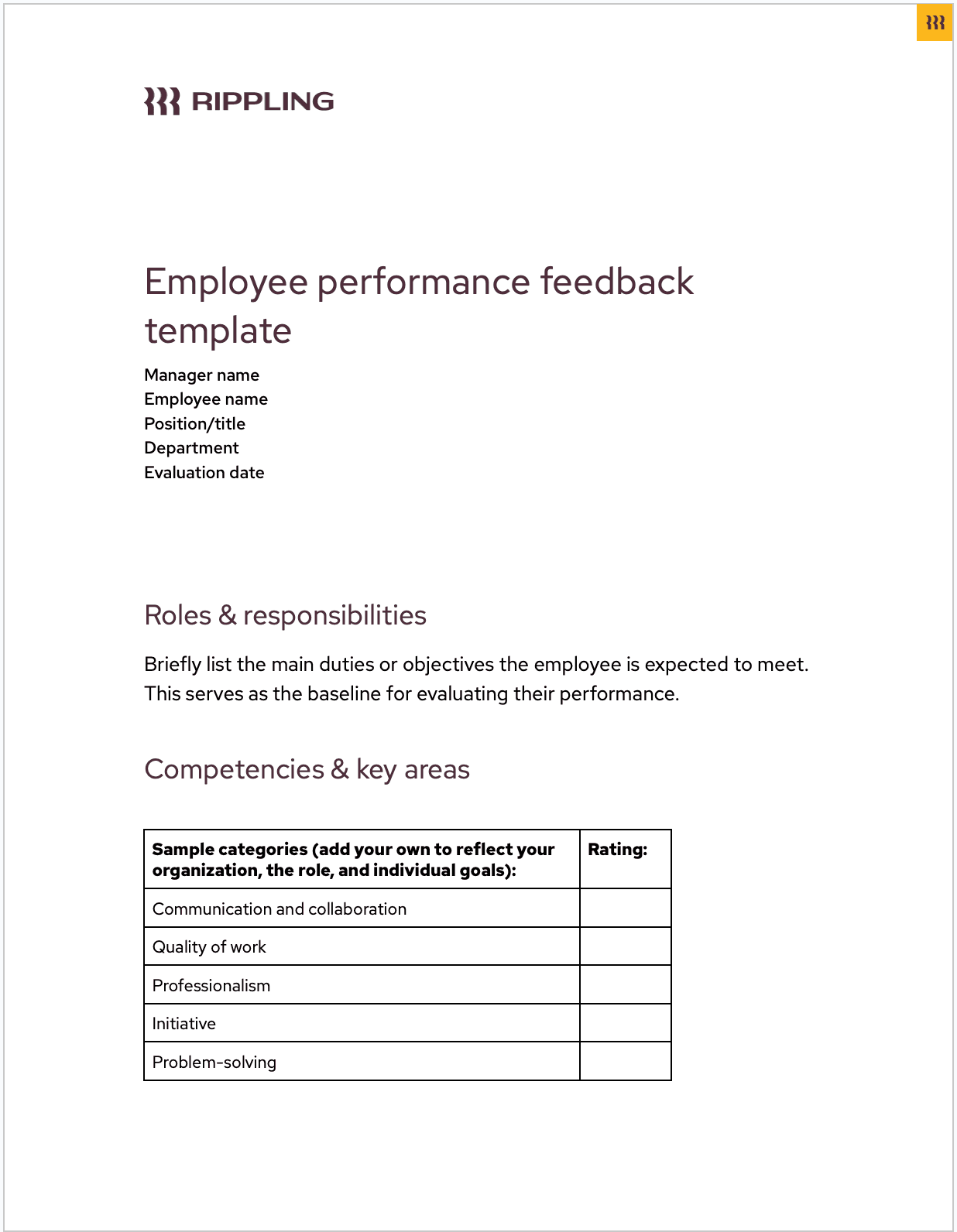

In the modern healthcare landscape, technical clinical excellence is only one component of a truly healing environment. How patients perceive their interactions with hospital staff profoundly influences their overall healing journey, compliance with treatment plans, and trust in the institution. Because of this, healthcare administrators and practice managers increasingly rely on staff professionalism feedback surveys to capture the nuanced human elements of medical delivery. These instruments go beyond standard clinical metrics, shining a light on interpersonal dynamics, bedside manner, and workplace culture.
By systematically gathering and reviewing this input, medical facilities can identify behavioral blind spots, bridge communication divides, and cultivate an atmosphere of mutual respect. Understanding how to properly design, interpret, and act upon these evaluations is essential for driving meaningful cultural transformation and elevating overall patient satisfaction ratings. The following sections explore actionable methodologies for implementing these assessments, analyzing the resulting data, and translating patient insights into sustained clinical improvements.
1. Implementing and Optimizing Staff Professionalism Feedback Surveys for Healthcare Excellence
1.1 Defining the Scope and Value of Professionalism Surveys
1.1.1 Distinguishing clinical competency from interpersonal professional conduct
When evaluating healthcare workers, administrative leaders often conflate technical aptitude with bedside manner. However, a clinician can maintain flawless diagnostic precision while failing to establish meaningful human connections with patients. Staff professionalism feedback surveys isolate interpersonal behaviors—such as active listening, empathy, and clear communication—from raw clinical skill, ensuring that bedside disposition receives the same rigorous evaluation as surgical outcomes or chart accuracy.
1.1.2 Linking behavioral standards to patient safety and institutional reputation
Behavioral standards directly influence clinical outcomes. When healthcare personnel communicate respectfully and collaborate seamlessly, the risk of diagnostic miscommunication plummets. Conversely, abrasive or dismissive behavior creates a climate of intimidation, discouraging junior staff from voicing safety concerns. Establishing structured [patient satisfaction ratings](https://health.jasma.org/patient-satisfaction-ratings-what-healthcare-scores-mean-2.html) helps healthcare organizations safeguard patient safety while protecting their public reputation.
1.2 Strategic Design and Methodology
1.2.1 Balancing pulse surveys with comprehensive annual performance assessments
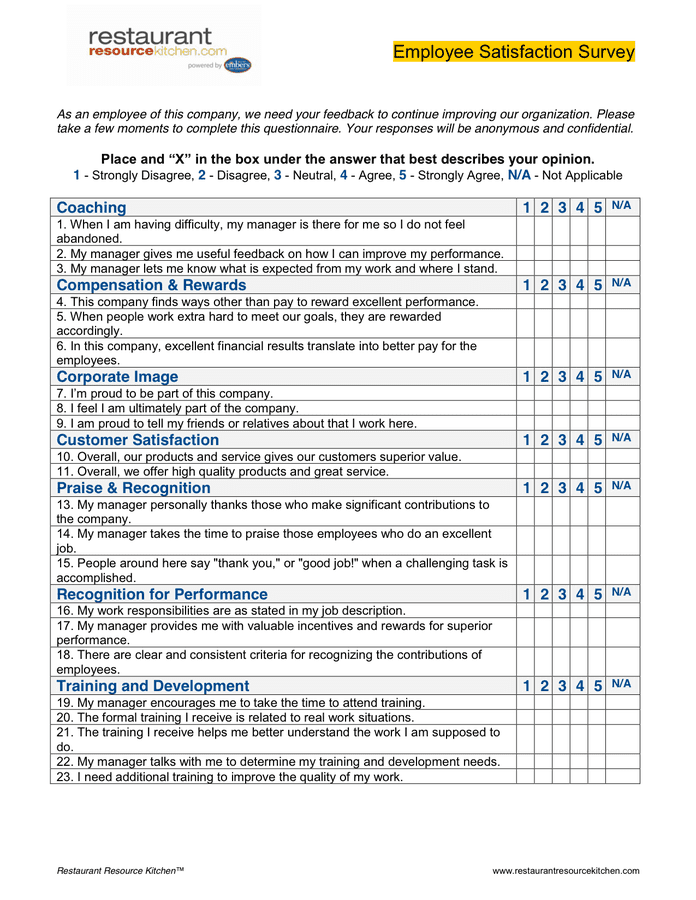
Relying solely on annual reviews creates blind spots in clinical leadership. Integrating brief, frequent pulse surveys alongside comprehensive yearly evaluations allows healthcare facilities to capture real-time sentiments regarding staff conduct. This continuous feedback loop ensures that interpersonal friction or emerging communication barriers are addressed weeks or months before a formal annual review occurs.
1.2.2 Designing bias-free Likert scale and open-ended feedback questions
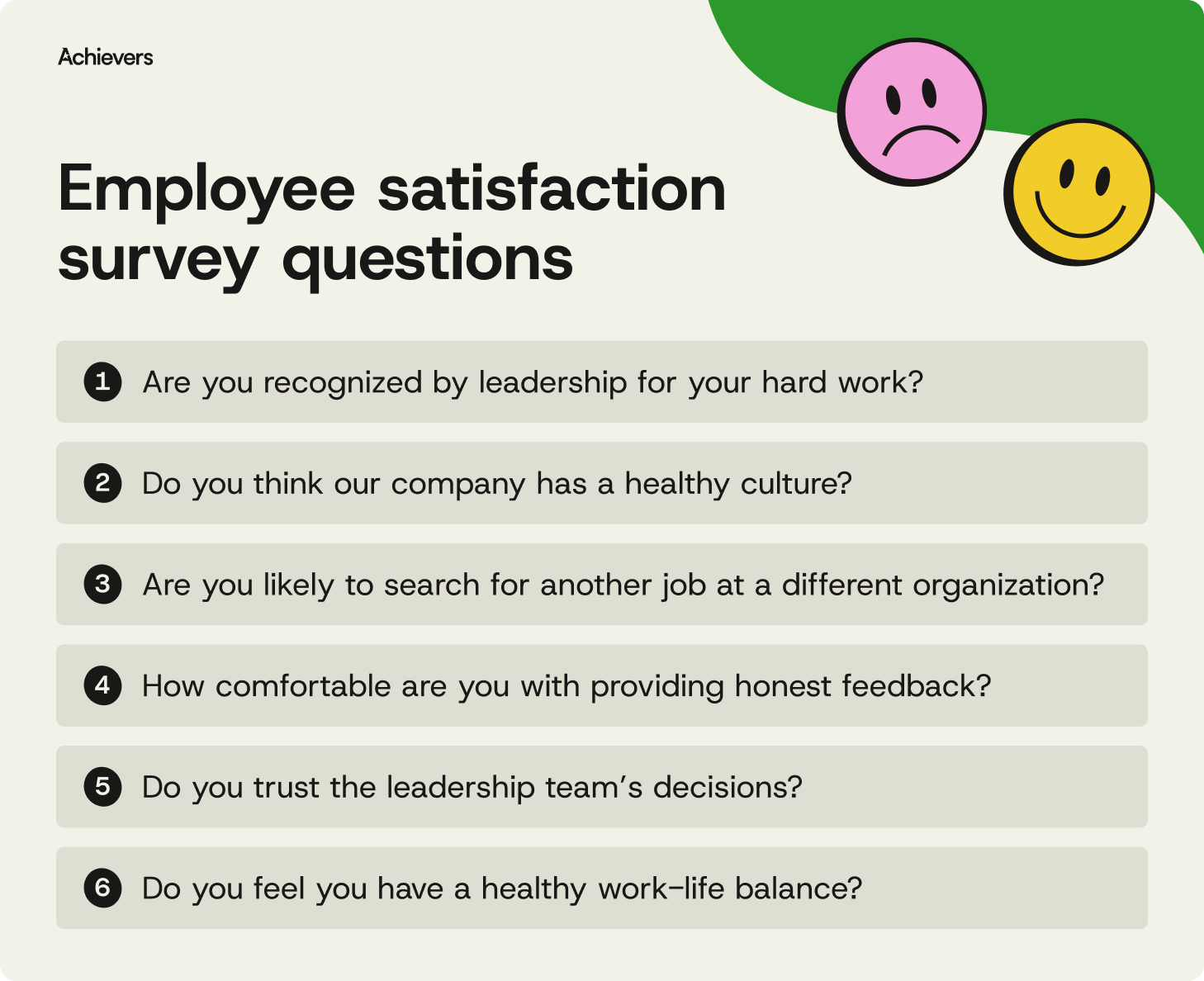
Survey integrity depends on careful question architecture. To capture actionable insights, administrators must deploy balanced Likert scales that avoid leading language, paired alongside open-ended fields where patients and colleagues can elaborate on specific interactions. Crafting neutral questions prevents skewed data and ensures that staff evaluations reflect genuine clinical environments.
1.2.3 Ensuring anonymity to foster psychological safety among nursing and clinical staff
For internal feedback mechanisms to succeed, nursing teams and allied health professionals must feel entirely secure against retaliation. Guaranteeing strict survey anonymity fosters psychological safety, empowering personnel to report unprofessional conduct honestly without fearing professional repercussions within the facility hierarchy.
1.3 Measuring Critical Indicators of Professional Behavior
1.3.1 Empathy, communication clarity, and patient-family interaction metrics
Measuring interpersonal efficacy requires looking closely at how information is conveyed to patients and their loved ones. Core metrics should evaluate whether explanations are free of confusing medical jargon, whether providers validate emotional concerns, and how effectively [doctor-patient communication efficacy](https://health.jasma.org/doctor-patient-communication-efficacy) translates into patient understanding and comfort.
1.3.2 Assessing interprofessional collaboration and conflict resolution efficacy
Professionalism extends beyond patient encounters to peer-to-peer dynamics. Surveys must evaluate how effectively multidisciplinary teams resolve clinical disagreements, share critical updates during shift changes, and maintain mutual respect under high-pressure hospital conditions.
1.3.3 Evaluating adherence to code of conduct and organizational core values
Every healthcare institution relies on a foundational set of core values. Feedback instruments should regularly audit whether staff members consistently uphold organizational codes of conduct, displaying integrity, accountability, and respect for diversity across all daily operational workflows.
Data-Driven Strategies for Leveraging Staff Professionalism Feedback Surveys
Interpreting Results to Drive Cultural Change
Using data segmentation to identify departmental and role-based performance trends
Raw survey scores rarely tell the whole story. By breaking down aggregated responses by department, shift, or specific role—such as distinguishing between nursing staff, administrative personnel, and attending physicians—healthcare leaders can pinpoint exact operational areas requiring attention. This granular approach prevents hospital-wide mandates that address localized issues ineffectively, ensuring targeted interventions where they matter most.
Implementing benchmarking to track improvement against internal and industry standards
To measure true progress, facilities must evaluate their metrics against both historical internal data and recognized external benchmarks. Utilizing a thorough clinic feedback analysis allows administrators to determine whether a dip in interpersonal ratings is an isolated incident or part of a broader, systemic trend. Consistent tracking keeps teams accountable and highlights departments that successfully model organizational core values.
Mitigating defensive reactions through objective, transparent data reporting
Clinical staff often view negative feedback with skepticism or defensive apprehension. Leaders can dismantle this resistance by presenting data objectively, focusing on behavioral trends rather than personal criticism. Transparent reporting fosters an environment of continuous learning, transforming potentially contentious metrics into collaborative opportunities for professional development.
Turning Survey Insights into Actionable Clinical Improvements
Developing targeted soft-skills training based on identified communication gaps
When feedback highlights recurring issues in patient interactions, organizations must move beyond generic workshops. Implementing focused training modules directly addresses specific communication gaps, improving aspects like active listening, expectation setting, and compassionate bedside manner. This directly enhances doctor-patient communication efficacy across all care units.
Creating reward systems that reinforce positive professional behaviors
Positive reinforcement is vital for sustaining cultural change. Establishing recognition programs that celebrate staff members who consistently score high in professionalism encourages desired behaviors. Publicly acknowledging compassionate care and strong teamwork motivates the broader team to emulate those standards.
Optimizing survey workflows to reduce clinical fatigue and increase response rates
Over-surveying can overwhelm healthcare professionals, leading to survey fatigue and diminished data quality. Streamlining digital assessment workflows, keeping questionnaires concise, and integrating feedback requests into regular administrative routines ensures higher completion rates without adding unnecessary burden to busy clinical schedules.
Linking Professionalism Surveys to Broader Patient Outcomes
Analyzing the direct correlation between staff feedback and HCAHPS scores
Staff behavior directly influences how patients perceive their overall hospital experience. Correlating internal feedback scores with Hospital Consumer Assessment of Healthcare Providers and Systems (HCAHPS) results reveals how staff conduct impacts broader patient satisfaction ratings. Facilities that bridge this gap typically see measurable improvements in clinical reputation and reimbursement metrics.
Establishing a framework for sustained long-term organizational cultural growth
Lasting cultural transformation requires ongoing commitment rather than one-off fixes. By embedding regular feedback loops into the organization’s governance structure, healthcare providers establish a resilient framework for continuous improvement. This institutional dedication ensures that high standards of professionalism remain a permanent cornerstone of patient-centered care.
Systematically utilizing staff professionalism feedback surveys goes far beyond administrative box-checking; it serves as a cornerstone for sustainable cultural evolution within modern healthcare facilities. By actively evaluating interpersonal conduct, fostering open communication, and treating patient insights as actionable clinical intelligence, hospitals and private practices can bridge the gap between technical medical competency and exceptional patient-centered care. Ultimately, the meticulous collection and transparent analysis of this feedback directly influence patient satisfaction ratings, helping institutions build long-term trust, improve clinical workflows, and elevate overall standards of medical excellence.