

In modern healthcare, delivering exceptional patient care requires much more than individual clinical expertise; it demands a continuous, collaborative commitment to institutional growth. A well-structured medical practice peer review serves as the cornerstone of this commitment, allowing physicians and clinical teams to evaluate care delivery, identify systemic risks, and refine treatment protocols in a confidential environment. By regularly analyzing clinical decisions against established benchmarks, healthcare organizations can directly elevate medical service quality while establishing robust safeguards for clinical excellence.
Understanding how these internal evaluations function is essential for healthcare administrators, practitioners, and patients invested in clinical accountability. Throughout this guide, you will explore the operational frameworks, historical evolution, and legal protections that govern effective peer review programs. You will also discover how modern clinics leverage technology and foster a just culture to optimize clinical outcomes, protect patient safety records, and translate everyday lessons into lasting institutional policy.
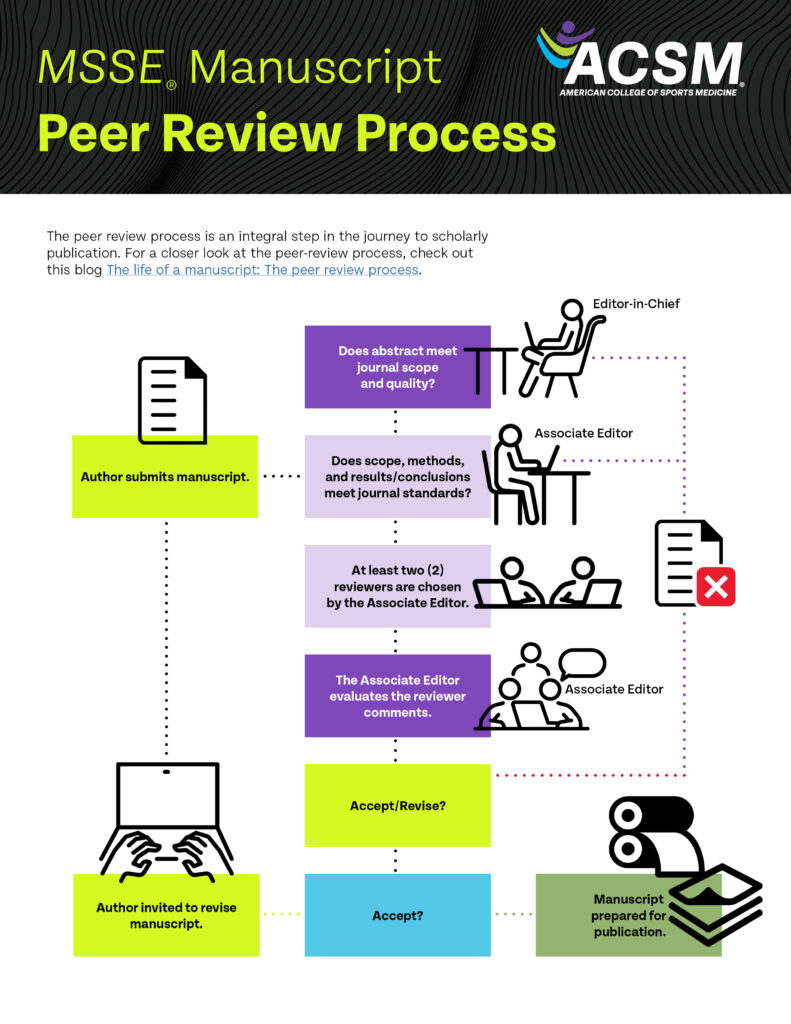
1. Foundations and Operational Framework of Medical Practice Peer Review
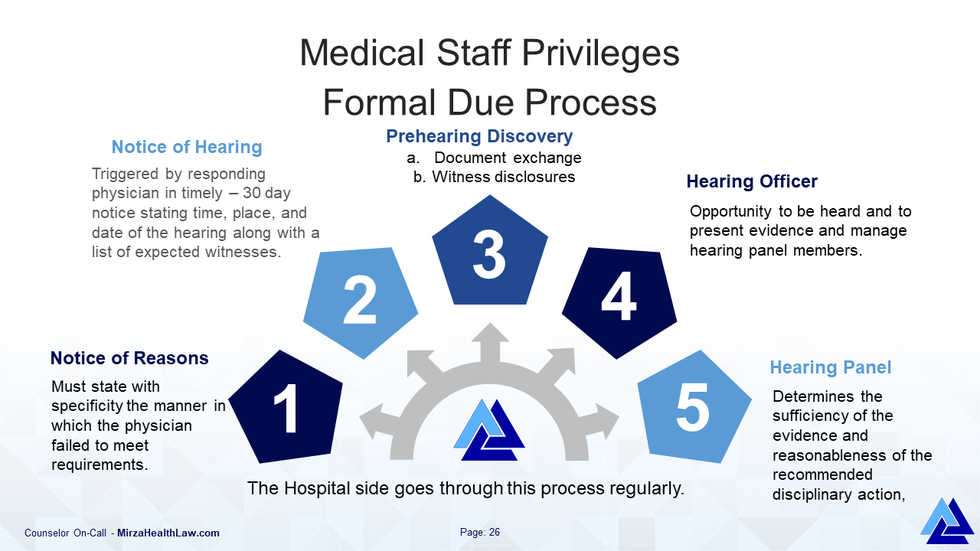
The structured evaluation of clinical performance is a cornerstone of modern healthcare governance. Medical practice peer review serves as an internal mechanism where medical professionals critically assess, analyze, and refine the diagnostic and therapeutic decisions made by their colleagues. This ongoing assessment directly influences medical service quality by ensuring that clinical teams adhere to established evidence-based guidelines and protocols.
1.1 Historical Evolution and Regulatory Compliance
For decades, internal evaluations within hospitals and clinics focused primarily on policing practitioners and uncovering individual mistakes. Today, healthcare organizations understand that modern governance requires a much more supportive, systemic approach.
1.1.1 Shifting from Punitive Disciplinary Models to Quality Improvement
Historically, peer evaluations often felt like punitive tribunals rather than collaborative learning opportunities. When a negative outcome occurred, the process frequently sought to assign individual blame, which inadvertently fostered a culture of fear and underreporting. Contemporary healthcare systems have largely abandoned this punitive model in favor of a proactive, developmental framework. By treating unexpected adverse events as symptoms of broader systemic vulnerabilities rather than isolated human failures, organizations can foster an environment where clinicians feel safe discussing errors, analyzing near-misses, and collectively enhancing medical service quality across every department.
1.1.2 Adhering to Joint Commission, CMS, and State Accreditation Standards
Regulatory bodies and accrediting agencies enforce rigorous mandates regarding the frequency and structure of internal evaluations. Organizations such as The Joint Commission and the Centers for Medicare & Medicaid Services (CMS) require accredited facilities to maintain robust mechanisms for monitoring practitioner competence. State licensing boards also reference these standards during routine audits. Compliance demands that clinical facilities maintain documentation proving they regularly audit charts, track complication rates, and evaluate professional conduct to protect their operational credentials.
1.2 Structural Design of an Effective Peer Review Program
Designing a sustainable evaluation workflow requires clear guidelines that remove subjectivity and protect the integrity of the review team.
1.2.1 Establishing Objective Case Selection and Trigger Criteria
An effective program does not rely on random chart sampling alone; it uses targeted triggers to identify cases requiring deeper analysis. Objective criteria often include unplanned readmissions within thirty days, unexpected patient mortality, intraoperative complications, or prolonged length of stay. By establishing these measurable thresholds, administrators ensure that reviews target high-risk clinical encounters where actionable learning opportunities are most likely to exist.
1.2.2 Implementing Blinded Review Processes and Conflict of Interest Controls
To maintain absolute impartiality, sophisticated practices implement blinded review protocols. Removing patient and provider identifiers from records helps eliminate unconscious bias, professional rivalries, or personal friendships that could skew a reviewer’s objective judgment. Furthermore, strict conflict-of-interest policies prohibit clinicians from evaluating direct partners or direct competitors, preserving the credibility and fairness of the findings.
1.3 Navigating Legal Protections and Organizational Privilege
Encouraging absolute honesty during clinical evaluations requires robust legal safeguards that shield sensitive discussions from outside discovery.
1.3.1 Defining the Scope of Peer Review Privilege in U.S. Jurisdictions
Federal and state laws provide specific legal shields, commonly known as peer review privilege, designed to protect deliberations, minutes, and investigative documents from being subpoenaed in ordinary civil litigation. This legal protection recognizes that without guaranteed confidentiality, physicians would hesitate to offer candid critiques of their peers, severely undermining institutional safety efforts.
1.3.2 Distinguishing Peer Review Documentation from Malpractice Litigation Records
It is vital for healthcare risk managers to maintain a clear boundary between administrative quality improvement files and official medical records. While diagnostic notes, nursing charts, and patient communications remain fully discoverable in malpractice lawsuits, the internal deliberations, scoring sheets, and committee notes generated during a peer review session generally remain privileged. Proper record management ensures that quality assurance activities support institutional learning without unintentionally compromising legal positioning.
Optimizing Clinical Outcomes Through Medical Practice Peer Review Data and Culture
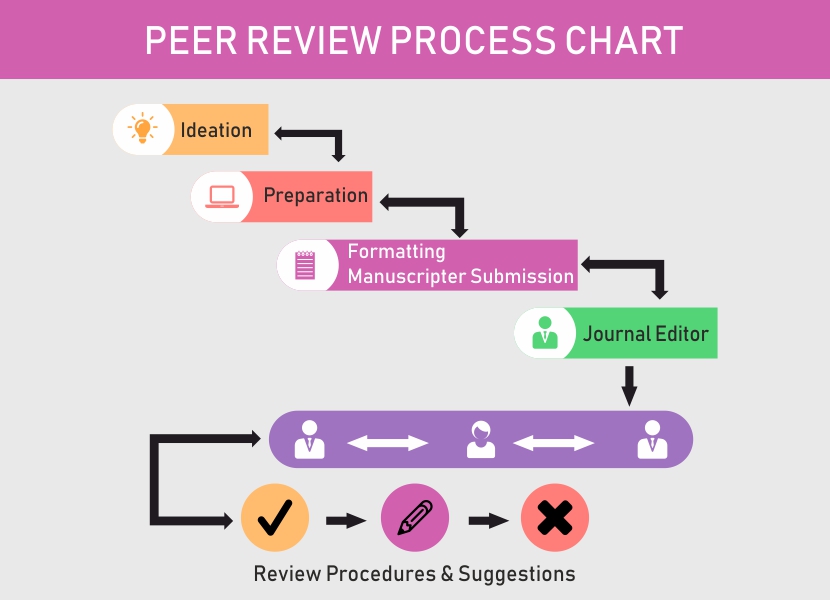
Integrating Technology and Analytics for Proactive Risk Management
Modern healthcare delivery relies heavily on digital architecture to safeguard patient well-being and elevate medical service quality. By embedding intelligence directly into electronic health record systems, clinical practices can transition from reactive error reporting to proactive risk mitigation. This digital evolution ensures that potential oversights are caught early, protecting both the patient and the practitioner.
Leveraging EHR Data for Automated Incident Triggering
Traditional paper-based incident reporting often depends entirely on voluntary submissions, which frequently suffer from underreporting due to time constraints or fear. Contemporary review frameworks bypass this limitation through automated electronic health record triggers. When specific clinical thresholds are met—such as unexpected readmissions, abrupt medication changes, or uncharacteristic post-operative vitals—the system flags the chart instantly. This guarantees a consistent clinic patient safety record by ensuring that anomalous cases routinely enter the evaluation queue without manual delay.
Utilizing Predictive Analytics to Identify Systemic Vulnerabilities
Beyond individual chart flags, aggregated review data serves as a powerful instrument for spotting macro-level operational flaws. Advanced analytics tools parse historical documentation to highlight recurring bottlenecks, handoff miscommunications, or equipment-related diagnostic delays across various departments. By examining these trends, administrators can refine institutional protocols before minor discrepancies escalate into adverse events, reinforcing overall healthcare facility transparency for staff and stakeholders alike.
Fostering a Just Culture for Sustainable Quality Improvement
Technology alone cannot drive excellence; the underlying institutional atmosphere dictates how effectively peer insights are received and applied. Cultivating a psychological safe zone is mandatory for encouraging honest self-assessment among clinical teams.
Overcoming Physician Resistance and Fear of Retaliation
Healthcare professionals are naturally protective of their clinical autonomy and often view internal evaluations with skepticism or anxiety. To dismantle this resistance, leadership must champion a just culture that clearly separates willful negligence from human error. When practitioners trust that constructive critiques are meant to optimize care protocols rather than trigger punitive actions, engagement in multidisciplinary review sessions increases substantially.
Mitigating Unconscious Bias and Professional Subjectivity
Subjectivity remains a persistent challenge during professional evaluations, as interpersonal dynamics or subspecialty rivalries can distort objective judgments. Standardizing evaluation metrics and implementing blinded review protocols help neutralize these biases. Reviewers evaluate anonymized clinical pathways strictly against evidence-based guidelines, ensuring fair treatment across all medical personnel.
Aligning Peer Review Findings with OPPE and FPPE Requirements
Ongoing Professional Practice Evaluation and Focused Professional Practice Evaluation frameworks demand continuous, data-driven competency tracking. By systematically channeling internal peer evaluations directly into these mandatory verification processes, clinics maintain strict compliance with national accreditation bodies while streamlining re-credentialing workflows for seasoned providers.
Measuring Performance and Translating Lessons into Policy
To ensure that internal evaluations yield tangible improvements, practices must convert isolated review findings into measurable, organization-wide standards.
Defining Key Performance Indicators for Patient Safety Programs
Establishing concrete metrics allows organizations to track the tangible impact of their evaluation workflows over time. Essential indicators often include the percentage of resolved review recommendations, the reduction velocity of recurrent clinical errors, and medical service quality indices derived from internal audits. Monitoring these benchmarks offers clear visibility into how effectively safety interventions protect the community.
Closing the Feedback Loop to Drive Institutional Policy Change
The final, most critical phase of any evaluation cycle involves returning actionable insights directly to the clinical floor. When a systemic vulnerability is identified and corrected, leadership must communicate the rationale and operational changes back to the entire care team. This transparent closure of the feedback loop validates the effort invested in the review process and permanently hardwires best practices into daily clinical routines.
Ultimately, a robust medical practice peer review process serves as the backbone of modern healthcare excellence, transforming internal oversight from a bureaucratic formality into an active driver of clinical transformation. By moving away from outdated, punitive models and embracing a just culture rooted in continuous learning, healthcare organizations can effectively protect their providers while dramatically elevating overall medical service quality. This evolution requires a delicate balance of objective data analytics, legal protections, and a shared commitment to psychological safety among clinical teams.
When clinics and hospitals successfully integrate peer review findings into their ongoing professional practice evaluation (OPPE) and focused professional practice evaluation (FPPE) frameworks, the benefits extend far beyond compliance checklists. They directly fortify the clinic patient safety record, minimizing adverse events and establishing a bedrock of accountability. For healthcare leaders and practitioners alike, championing these collaborative evaluation structures is essential to nurturing a resilient practice environment where both clinicians and patients thrive.