

Navigating the healthcare system during an unexpected injury or sudden illness can feel overwhelming, which makes understanding proper medical triage guidance essential for every patient. Whether you are weighing the convenience of a telehealth patient journey or walking through the doors of a busy emergency room, knowing how healthcare professionals evaluate urgency can significantly impact your care experience. Triage serves as the critical first line of defense in modern medicine, designed to ensure that patients with life-threatening conditions receive immediate attention while efficiently organizing care for those with less severe ailments.
In this guide, you will learn how clinical acuity is measured, what happens behind the scenes during a professional assessment, and how you can prepare yourself or a loved one before seeking care. By familiarizing yourself with these standard medical protocols, you can approach critical health decisions with clarity, confidence, and peace of mind.
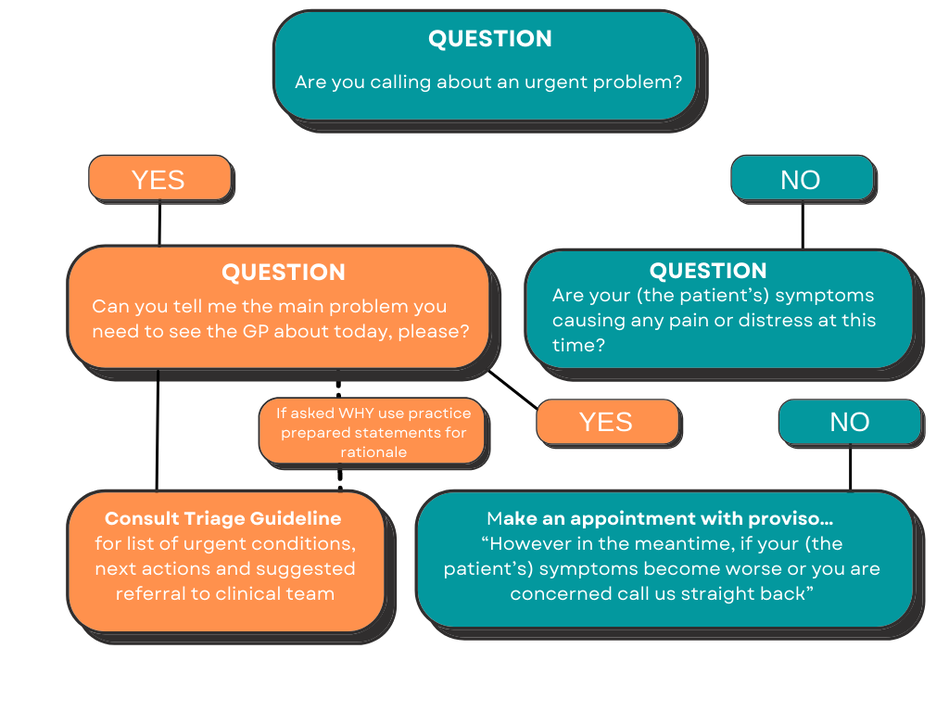
1. Understanding the Medical Triage Guidance Process and Clinical Acuity
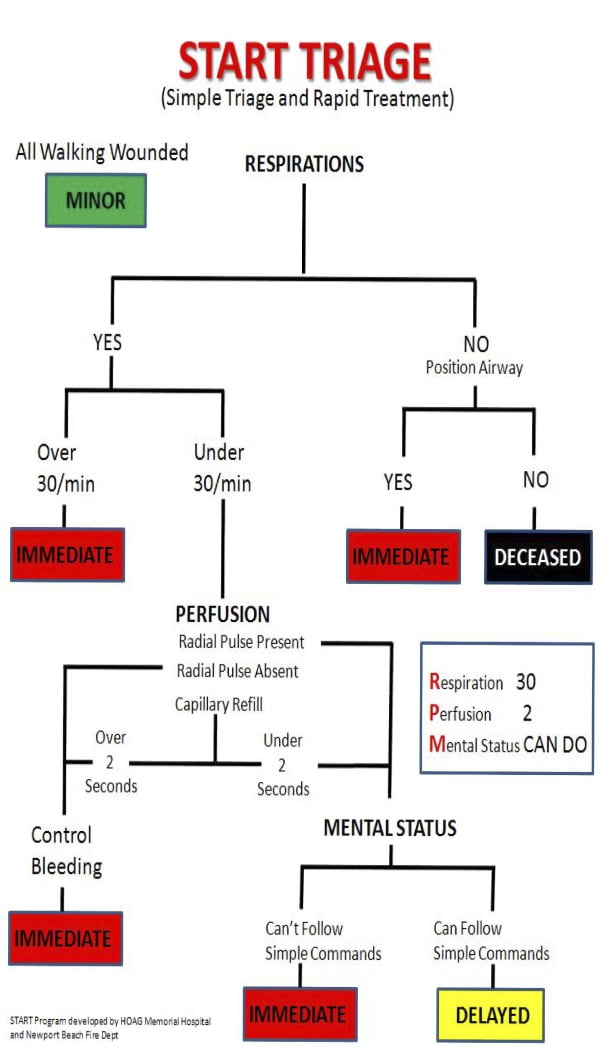
When an individual faces a sudden health concern, navigating the initial steps of healthcare delivery can feel overwhelming. Effective medical triage guidance helps demystify how hospitals and clinics prioritize incoming patients based on the severity of their symptoms rather than their time of arrival. Understanding this systematic approach empowers patients to make informed decisions and reduces anxiety during high-stress medical encounters.
1.1 The Definition and Clinical Purpose of Medical Triage
Medical triage is the dynamic process of evaluating, sorting, and prioritizing patients based on the clinical urgency of their conditions. The primary goal is to ensure that individuals with life-threatening illnesses or injuries receive immediate medical intervention, while those with less severe conditions are routed to appropriate care pathways without compromising overall facility safety.
Distinguishing between triage, registration, and active clinical treatment
Patients often confuse triage with administrative registration and actual medical treatment. Triage is strictly a clinical sorting mechanism performed by trained medical professionals, such as registered nurses, to assess physiological stability. Registration, conversely, is an administrative process focused on gathering identity, contact, and insurance information. Neither triage nor registration constitutes active clinical treatment, which begins only after a physician, physician assistant, or nurse practitioner evaluates the patient and initiates diagnostic or therapeutic measures.
The role of the Emergency Severity Index in determining patient priority
To standardize this evaluation, most emergency departments in the United States utilize the Emergency Severity Index (ESI). The ESI is a five-level algorithmic tool that categorizes patients from level one (most urgent, such as cardiac arrest) to level five (least urgent, such as a minor rash or prescription refill). This standardized framework relies heavily on predicting resource utilization and assessing vital sign stability to establish reliable clinical priorities.
1.2 Where Triage Occurs and Why Setting Matters
Triage is not exclusive to hospital emergency rooms; it takes place across various healthcare environments, each tailored to specific levels of illness and injury. Knowing where to go ensures that patients receive the right level of care while supporting the broader healthcare system.
Emergency Departments: Navigating life-threatening emergencies and triage protocols
Hospital emergency departments are designed for critical, life-threatening conditions such as severe trauma, major fractures, stroke symptoms, and acute chest pain. Triage protocols here are aggressive and rapid, focusing heavily on continuous vital sign monitoring and immediate resuscitation capabilities.
Urgent Care Centers: Evaluating acute, non-emergent health needs
For acute but non-life-threatening issues—such as moderate sprains, earaches, small lacerations requiring stitches, or mild fevers—urgent care centers offer an efficient alternative. Their triage models focus on rapid assessment and treatment of minor illnesses, helping patients bypass the extensive wait times typical of busy emergency departments.
Tele-Triage Services: Utilizing virtual screening for initial symptom assessment
Modern healthcare delivery increasingly incorporates remote pathways. Through the telehealth patient journey, individuals can access virtual triage services from home. Nurses evaluate symptoms remotely using structured digital protocols, offering expert medical advice on whether a patient needs an immediate emergency room visit, an urgent care appointment, or home self-care.
1.3 The Step-by-Step Clinical Triage Workflow
The triage workflow follows a meticulous, repeatable clinical pattern designed to capture critical health data quickly and accurately. Recognizing these steps helps patients understand what to expect upon arrival at a medical facility.
Initial arrival and assessment of vital signs
Upon stepping up to the triage window, the clinical evaluation begins immediately through visual observation. The triage nurse quickly measures core vital signs, including heart rate, blood pressure, respiratory rate, oxygen saturation, and body temperature. These baseline metrics provide objective data regarding physiological stability.
Assessing symptom history and pain scale ratings
Following vital sign collection, the nurse conducts a focused symptom history. Patients are asked about the onset, duration, and exact nature of their discomfort, alongside standardized pain scale ratings. Providing precise details during this conversation is crucial for accurate acuity assignment.
Understanding how priority assignments dictate wait times over arrival order
A common source of patient frustration is seeing someone who arrived later taken back to the treatment area first. Triage operates strictly on clinical acuity rather than a first-come, first-served basis. A patient with chest pain will always be prioritized over someone with a minor fracture, ensuring that resources protect those facing the greatest immediate danger.
2. Navigating Medical Triage Guidance for Patient Safety and Preparation
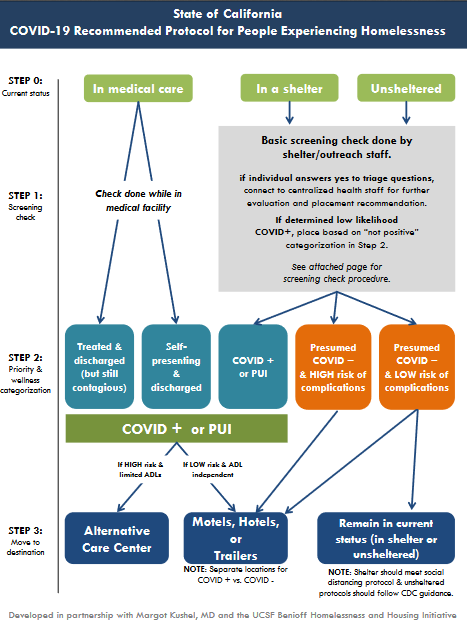
When an unexpected health crisis happens, knowing how to navigate the medical triage guidance process can significantly impact your clinical outcomes and peace of mind. Whether you are walking into an emergency department or utilizing a digital symptom assessment tool from home, understanding how medical professionals categorize health issues helps ensure that severe conditions receive immediate attention. Preparing yourself or a loved one ahead of time minimizes anxiety and streamlines the intake workflow.
2.1 Recognizing Red Flag Symptoms Requiring Emergency Intervention
Certain symptoms demand immediate emergency evaluation rather than a routine clinic visit. Recognizing these critical signs can save lives and dictates the highest tier of triage urgency.
2.1.1 Cardiac emergencies including chest pain and pressure
Crushing chest pain, pressure, tightness, or discomfort radiating to the arm, jaw, or back are classic warning signs of a myocardial infarction. These symptoms immediately trigger the highest level of triage priority to protect heart muscle and restore perfusion.
2.1.2 Neurological red flags such as sudden weakness or numbness
Sudden neurological deficits, including acute facial drooping, slurred speech, confusion, or sudden unilateral weakness and numbness, require hyper-acute stroke protocols. Time is brain tissue, making rapid screening vital.
2.1.3 Respiratory distress and severe breathing difficulties
Severe shortness of breath, an inability to speak in full sentences, or a bluish tint to the lips and nail beds indicate compromised oxygenation. Triage nurses prioritize these respiratory crises to secure an open airway immediately.
2.1.4 Trauma management for uncontrolled bleeding and head injuries
Major trauma involving severe hemorrhaging, penetrating wounds, or significant head injuries with loss of consciousness demands rapid surgical and emergency intervention to prevent hemorrhagic shock or unmanaged intracranial pressure.
2.2 Proactive Preparation for a Seamless Triage Experience
Being prepared before you arrive at a healthcare facility makes the intake process much smoother. Having your vital information organized allows clinical staff to focus immediately on your physical condition.
2.2.1 Essential documents: ID, insurance, and medical history
Always carry a government-issued photo ID, your health insurance card, and a brief written summary of your known chronic medical conditions, past surgeries, and primary care provider details.
2.2.2 Preparing an accurate medication and allergy list for the triage nurse
A comprehensive list of your current prescription medications, over-the-counter drugs, supplements, and known drug allergies prevents dangerous pharmacological interactions during acute treatment. For broader insights on optimizing your care pathway, consider reviewing our guide on the telehealth patient journey.
2.2.3 Managing expectations regarding wait times and patient flow
Understanding that triage operates on clinical acuity rather than arrival time helps manage frustration. If your vital signs and symptoms indicate a non-emergent status, expect longer wait times when the department is handling critical resuscitations.
2.3 Frequently Asked Questions About Medical Triage
Navigating healthcare systems often raises questions about how decisions are made and where care should be sought.
2.3.1 Clarifying the differences between urgent care and emergency room triage
Emergency room triage focuses on life-threatening, limb-threatening, or highly unstable conditions. Urgent care triage evaluates acute but non-life-threatening issues such as minor fractures, sprains, mild allergic reactions, or simple lacerations.
2.3.2 Explaining why triage logic prioritizes severity over arrival time
Triage systems are specifically engineered to maximize survival rates across a population. A patient arriving later with a severe cardiac event will always be seen before a patient who arrived earlier with a minor rash.
2.3.3 Determining when to use telehealth before seeking in-person care
Virtual care platforms and remote evaluations work best for mild illnesses, routine follow-ups, or initial symptom screening. They help keep emergency rooms clear while connecting patients with expert medical advice from home.
2.3.4 Distinguishing triage as a screening process rather than a final medical diagnosis
Triage is simply an initial sorting mechanism designed to gauge urgency and safety. It is not a comprehensive clinical examination or a final medical diagnosis, which occurs only after thorough physician evaluation and diagnostic testing.
Navigating the healthcare system when you or a loved one is unwell can feel overwhelming, but understanding proper medical triage guidance empowers you to make informed decisions before you ever step foot in a clinic. By recognizing that triage is a systematic screening process prioritizing clinical acuity over arrival time, patients can better manage their expectations during stressful moments. Whether you are utilizing a digital symptom assessment tool at home, preparing your documentation for an urgent care visit, or evaluating your symptoms against critical red flags, knowing what to expect helps bridge the gap between uncertainty and timely, effective clinical intervention.
Ultimately, preparation is your best tool for ensuring patient safety and smoother healthcare delivery. Keeping a clear medication list, understanding your local facility options, and recognizing when an emergency requires an immediate 911 call can make all the difference in high-stress situations. For more detailed insights into navigating your healthcare choices, consider reviewing our guide on medical triage guidance when to seek immediate care to ensure you always take the safest path forward.